Skip to content

Valve And Pipe Fitting Producer Insurance

Your suspect casting or thread can be in parts already supplied through several distributors. Product and withdrawal terms should distinguish tracing and retrieval from resulting harm, with the actual medium and application stated rather than treating every release as water damage.

The Southern Agency can help you align your production risks with suitable insurance coverage.

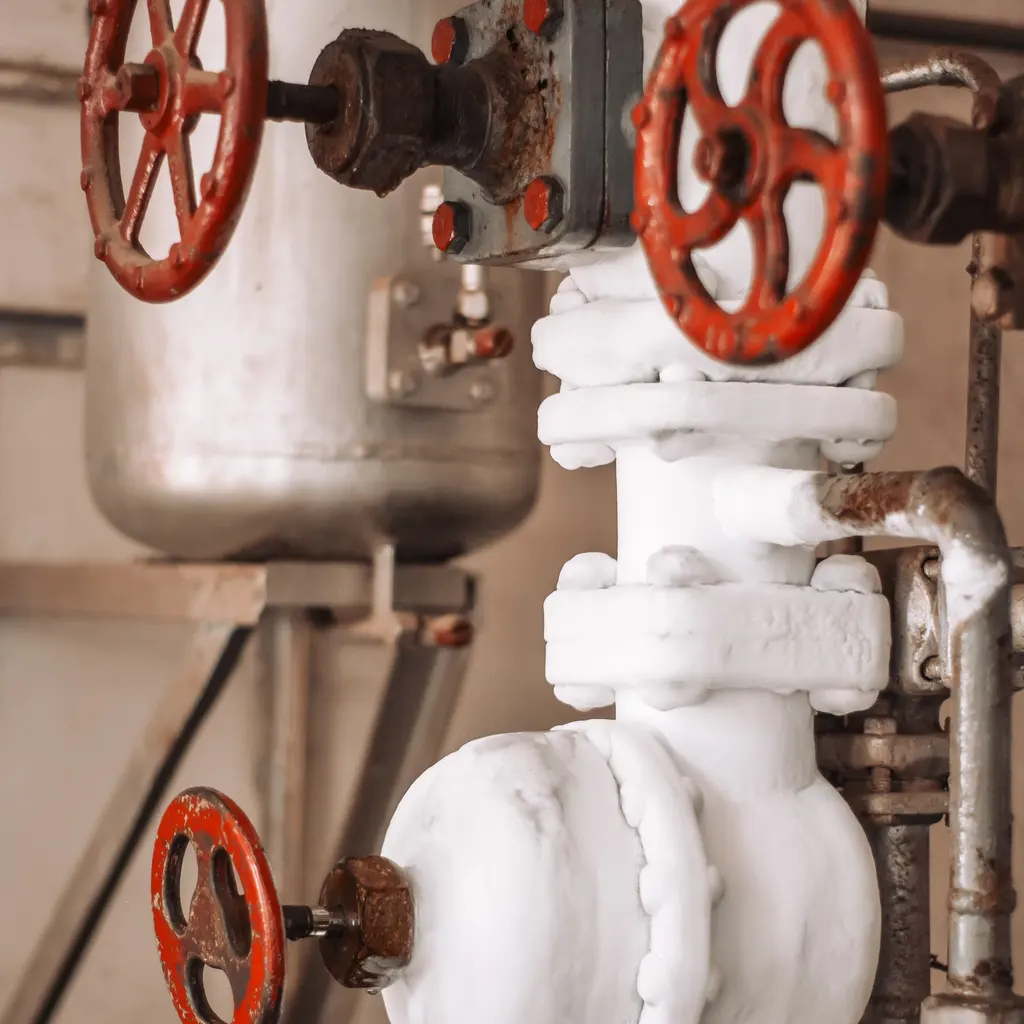
Industrial valves with red handwheels and bolted fittings on insulated pipes.

Industry overview

You make valves or fittings that customers rely on to contain pressure, heat, or flowing materials. A casting defect or failed component can damage other equipment, while withdrawing a suspect batch creates its own costs.

The Southern Agency can review your products, testing, and intended uses to help you choose insurance. We can discuss product liability for resulting damage and property protection for production assets, without assuming replacement or batch-withdrawal costs are included.

Risks worth discussing

Leak or failure in a pressurized system

A defective valve, coupling or fitting can release water, gas or process fluid and cause injury or damage to other property. Identify the actual medium and resulting harm; not every release is an ordinary water-damage claim.

Product recall across distribution

A repeated casting, seal, or thread defect can affect components already sold through multiple distributors. Tracing and retrieving those parts creates expenses separate from liability for injury or damage.

Critical-service application exposure

For oil, gas or chemical service, describe containment, operating conditions, and the consequences of failure. A claim can involve injury, other-property damage, pollution, and customer process losses that require different policy terms.

Machining and assembly injuries

Machining, casting where performed, assembly, and material handling expose employees to cuts, crush injuries and hot-process hazards. Include pressure-test and maintenance duties in the worker review.

Equipment and test-rig breakdown

Internal damage to a machining center or pressure-test rig can halt output. A failed component test, calibration issue or stopped shipment is not itself evidence of insured machinery damage.

Quality and certification gaps

A wrong rating, missing certification or failed customer test can lead to rejected lots or contract disputes without injury or other-property damage. Identify the applicable specification and who promised or verified it.

Fire from oils and casting heat

Cutting oils, lubricants, and any casting or heat-treatment operations introduce fire sources around equipment and stock. Describe the materials and processes actually present rather than assume every valve plant includes a foundry.

Situations to think through

These hypothetical examples are not agency claim results. Whether a loss is covered depends on the facts, policy terms, and applicable exclusions.

  1. Hypothetical: Valve leak floods a facility

    A customer alleges a defective water valve leaked and damaged its building and machinery. Product liability may help with defense and covered damages if the product and claim are included. Replacing the valve, removing sound work to reach it and paying every shutdown demand need separate review under own-product, impaired-property and contract terms.

  2. Hypothetical: Defective fitting recall

    A manufacturer identifies a defect in a batch of fittings already installed at several customer sites and arranges retrieval. Purchased recall protection may contribute to eligible retrieval expenses only if the components, triggering event, and expenses are included. Product liability for resulting harm is separate; new fittings, removal and reinstallation, refunds and all distributor charges are not assured.

  3. Hypothetical: Test-rig breakdown

    An electrical failure damages a pressure-test rig and stops shipments while it is repaired. Equipment breakdown may help with covered internal repair, and purchased income protection may address the resulting interruption. The waiting period, restoration terms, and limits matter; a failed fitting test or a buyer’s delay penalty is a different loss.

Before you talk to an agent

What to have ready

Tick items as you gather them. Nothing here is saved or sent.

Questions to raise

  • Record product type, material, seal, medium, pressure, temperature, and intended service. Identify design or selection advice separately from machining to supplied specifications.
  • Separate resulting injury, other-property damage and qualifying loss of use from the failed valve, rejected lots, impaired systems, removal, reinstallation, and customer financial demands.
  • For distributed batches, bring traceability and recall obligations and compare any proposed withdrawal event, expenses, consent, and limits. Ordinary product liability does not establish those benefits.
  • Estimate machining-center and test-rig repair, recalibration and restart time against purchased income terms. A production delay and a covered internal failure are not interchangeable.
  • Compare distributor and industrial-customer insurance requests with issued endorsements, then map component ownership and carrier responsibilities through delivery and acceptance.

Contract terms to check

  • Allocate component and seal design, material selection, machining or casting, testing, system selection, and installation. If you provide separate engineering or selection services, compare the services insured and professional or manufactured-product exclusions. Any claims-made cover needs its own prior-acts and reporting review.
  • Separate leak injury and other-property damage from replacing your component, wrong ratings, failed certification, removal, reinstallation, performance guarantees, financial shutdown demands, and recall. Separately offered manufacturers errors and omissions protection may address eligible customer financial claims; it is not proof that your own correction, refunds or every guarantee is insured.
  • Identify the fluid or gas released and compare pollution restrictions and any separately proposed product-related pollution terms. Do not treat premises cleanup protection as proof of cover for a component at a customer site, or routine compliance and penalties as insured losses.
  • Compare requested product and completed-operations limits, additional-insured status, and indemnities with issued endorsements. Certificates, buyer specifications, and finance schedules do not amend coverage or guarantee an available program that satisfies every promise.

What the agent conversation looks like

Start with the work you do and the questions your current policies leave unanswered. Carrier options depend on your location, risk, and underwriting. Explore our approach.

  1. ListenReview your operations, current coverage, and past claims.
  2. AssessIdentify potential hazards and discuss ways to reduce risk.
  3. BuildDiscuss policy and carrier options, premium costs, and audits.
  4. SupportReview changes and help you plan ahead as your needs develop.

Questions owners ask

Why is product liability central for a valve producer?

A leaking or failed component can injure someone or damage a customer’s building or machinery. Describe the medium, conditions, and resulting harm and compare the product and use with the policy. Replacing your valve, rejected lots, impaired systems, removal, and financial or recall demands are separate questions.

Is product recall a real exposure for us?

A defect can affect a batch across multiple distributors and installations, creating tracing, notification, and retrieval costs before anyone is injured. If recall protection is proposed, inspect the products, triggering event, expenses, consent, and limits. Product liability does not itself pay to retrieve or replace the batch or meet every distributor remedy.

Does serving oil and gas customers change our risk?

Describe the actual fluid or gas, pressure, temperature, installation and consequences of failure. Review product and pollution terms, qualifying damage or loss of use and financial shutdown obligations. Loss estimates and contract requests need comparison with the proposed limits and exclusions, not a standard limit chosen just for the sector.

What protects our machining and test equipment?

Property may address covered external causes such as fire; equipment breakdown may address covered internal damage. Review testing, wear and calibration provisions and purchased stock and income terms against repair and restart time. Failed certification, an off-spec fitting and a missed shipment are not themselves proof of insured machine damage.

Are finished components covered in transit?

Identify the owner, carrier, maximum load value and acceptance point and check packing, loading, carriage, unloading, and storage conditions. Direct goods coverage and carrier legal liability protect different interests. Neither ordinary plant contents nor a truck policy establishes protection for every load or defective batch.

Should we carry umbrella coverage?

Assess the applications, potential claims, contractual requests, and risk tolerance with qualified advisers. Compare the underlying liabilities included, where excess limits begin, aggregates, defense costs, and exclusions. Higher limits do not replace a separate review of recall, professional, pollution or machine-repair terms.

Talk through your valve and pipe fitting producer coverage

Bring your questions, current policies, and relevant contracts. An agent can review coverage terms, exclusions, and the information carriers ask for, then explain the options available to you.

How can we help you get started?

Choose the quote that fits, and we’ll take it from there.

Have a question? Contact us