

Dryer and press fires
Veneer dryers and hot presses run at high heat near adhesives and dry wood, making ignition and rapid fire spread a leading exposure at panel plants.
Try a different word, or check the spelling.
Your builder may request regrading or rebonding when a panel misses its specification, without a claim for damaged property. Product and plant protection should separate those correction costs from covered harm, press failure, and the chemicals used in bonding.
The Southern Agency can help you match your mill's specific fire and production hazards with the right insurance terms.
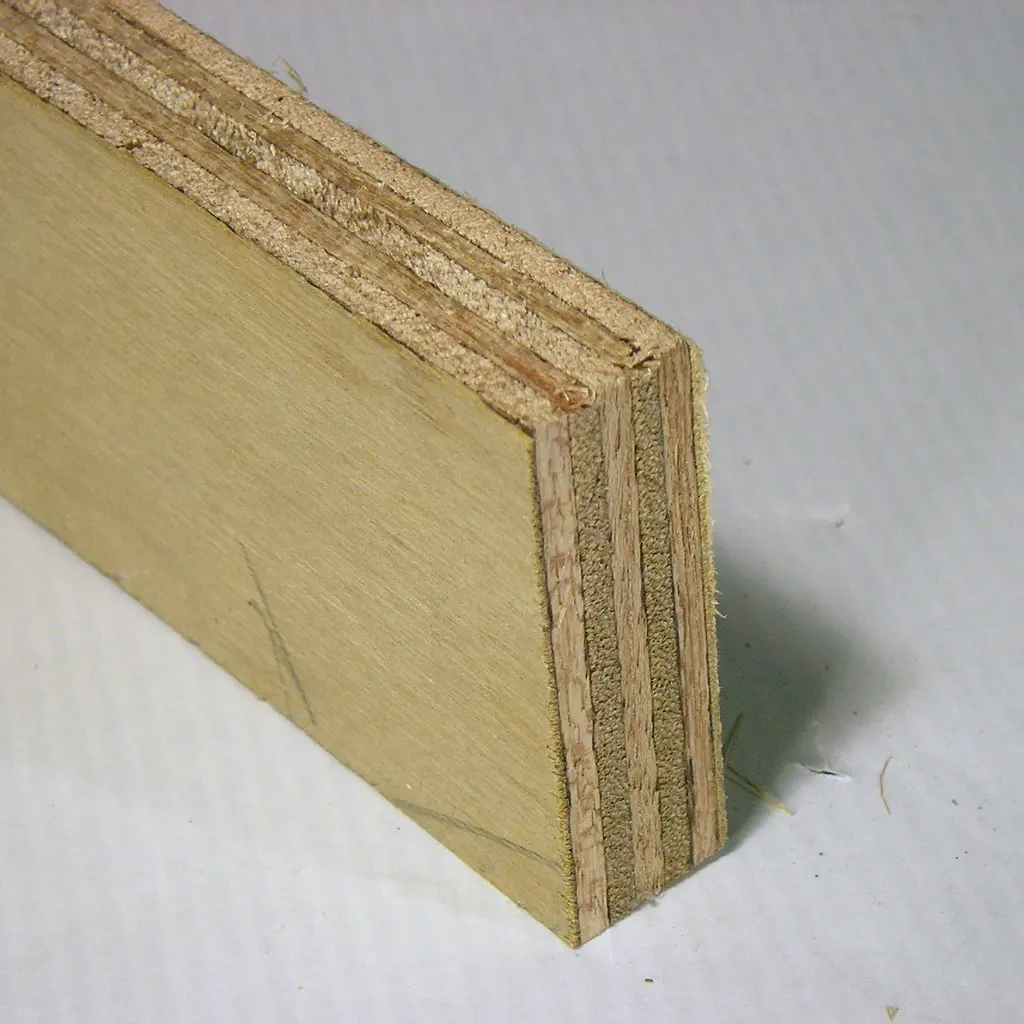
Your plant peels logs and processes veneer into panels using heat and adhesives. Dry wood dust, hot presses and heavy machinery create constant fire and amputation risks for your staff.
The Southern Agency can review your specific adhesive chemistry and drying processes to help you select appropriate insurance. For example, we can help you understand how liability for a structural bond failure differs from the separate, often excluded costs of regrading or replacing rejected panels.
Veneer dryers and hot presses run at high heat near adhesives and dry wood, making ignition and rapid fire spread a leading exposure at panel plants.
Fine dust from sanding and trimming can accumulate and, when suspended, create a deflagration hazard around equipment and collection systems.
Hydraulic presses, peeling lathes, and steam systems are costly to repair, and a sudden failure can halt panel production across the line.
Panels with weak glue bonds or off-grade structural performance may fail in use, exposing the plant to claims from builders and fabricators.
Feeding presses, operating lathes and moving heavy panels expose employees to amputation, crush, pinch-point and strain injuries.
Storing and mixing formaldehyde or phenolic resins introduces chemical exposure, spill cleanup, and air-quality concerns.
Yard log inventory and finished panels are exposed to fire, moisture, and weather, and a loss can interrupt supply commitments.
Policies to ask about. Which ones fit depends on your operations, your contracts, and the carrier’s forms.
These hypothetical examples are not agency claim results. Whether a loss is covered depends on the facts, policy terms, and applicable exclusions.
Heat from a hot press ignites accumulated dust and adhesive residue, damaging the line and stock. Review covered property fire terms, ownership, and valuation, and any purchased income terms. If an internal equipment fault is involved, compare the separate breakdown wording rather than assume it pays every fire, stock, and restart expense.
Structural panels delaminate after installation and a contractor alleges resulting damage. Identify that damage and the panel grade and use insured. Replacing or rebonding your panels, removal, reinstallation, regrading and warranty demands need separate review from damage to other property.
A worker’s hand is caught while clearing a peeling lathe. Review the employer, worker status, jurisdiction, and qualifying medical and wage benefits. Those employee benefits are distinct from equipment repair, stock loss, or liability to a visitor.
Start with the work you do and the questions your current policies leave unanswered. Carrier options depend on your location, risk, and underwriting. Explore our approach.
Dryers and presses put heat near dry wood and adhesive residues; sanding and trim dust need qualified fire and dust assessment. Adhesive chemistry and dust conditions matter. Compare property, causes, and values insured; controls do not guarantee acceptance or every fire and income payment.
Declare the structural, furniture, and other uses and grades supplied. A delamination claim needs facts about injury or damage to other property. Replacing your panels, regrading, rebonding, removal, and withdrawal are separate from resulting-damage liability; not all panels are structural.
Identify covered internal press, lathe, steam or dryer damage, repair and restart time and purchased stock and income terms. Wear, a failed bond, rejected grade or process error is not the same as a covered equipment event.
Describe the adhesives and resins actually stored or mixed and the release, emissions, and waste routes. Review covered pollution conditions, cleanup, third-party claims, and reporting. Routine emissions controls, compliance correction, and fines should not be treated as insured spill costs.
Identify logs, veneer and panels by owner, yard or building location and peak value. Check covered causes, valuation and moisture or weather restrictions. Exposure to rain, ordinary deterioration, an off-grade panel or failed cure does not itself establish insured stock damage.
Describe press feeding, lathe clearing, trimming, sanding, and heavy-stack movement. Review applicable state employee classifications, requirements, and qualifying medical and wage benefits; machinery severity alone does not determine a claim outcome.
Bring your questions, current policies, and relevant contracts. An agent can review coverage terms, exclusions, and the information carriers ask for, then explain the options available to you.