

Lint and batting fire
Combustible cotton batting and airborne fabric dust accumulate near quilting heads and ducts, creating a serious fire and rapid-spread hazard throughout the plant.
Try a different word, or check the spelling.
Your operators repeat sewing, trimming and packing tasks long after the first quilt in a run is finished. Employee protection should reflect that work, while stitching defects and refunds are different costs from an injury or damaged machine.
The Southern Agency can help you match your factory's unique fire and liability risks with suitable insurance coverage.
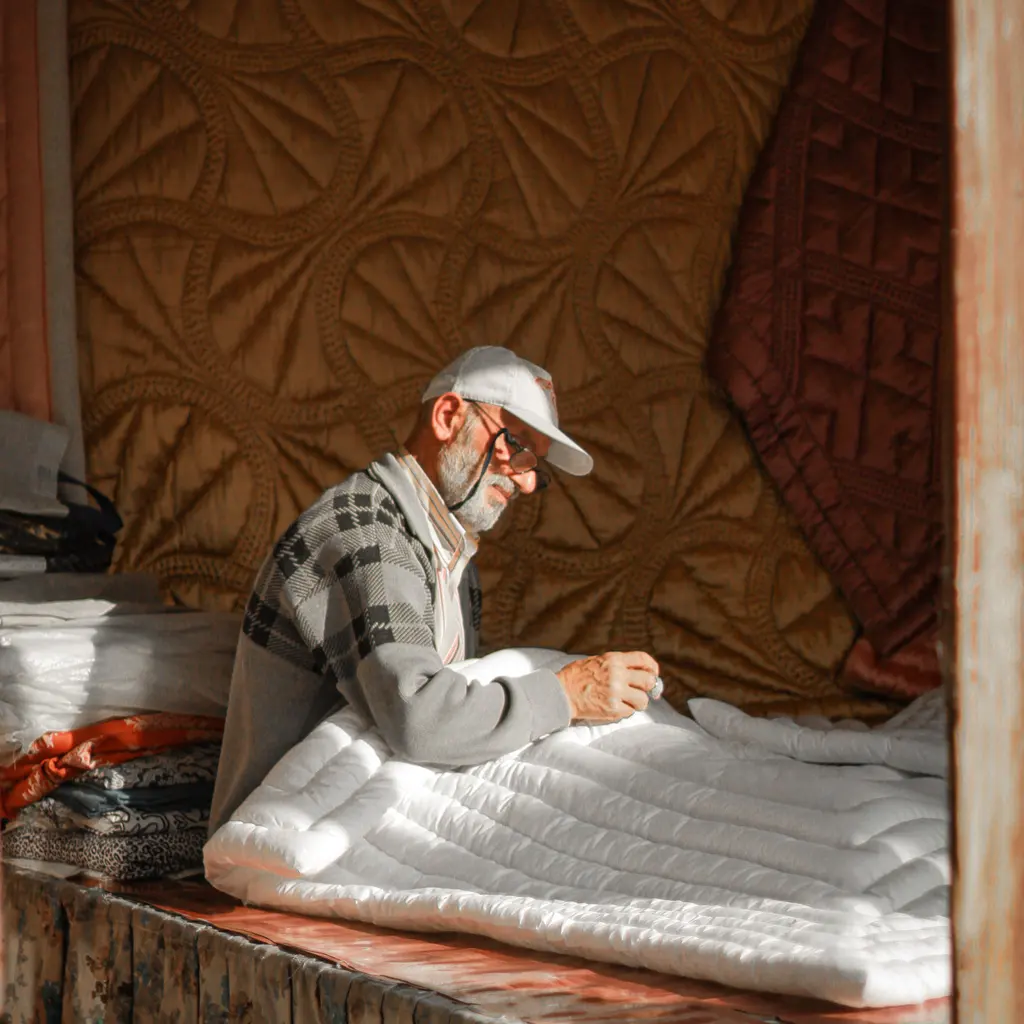
Your factory produces quilts and bedding, often tailored to specific buyer fire or labeling requirements. The presence of airborne lint, dust, and high-speed machinery creates significant fire and injury risks.
The Southern Agency can review your specific production lines and buyer requirements to help you select appropriate insurance. For example, we can help you understand how coverage for an alleged injury from a finished quilt differs from a return due to a mislabeled product.
Combustible cotton batting and airborne fabric dust accumulate near quilting heads and ducts, creating a serious fire and rapid-spread hazard throughout the plant.
Multi-needle quilting heads, cutters, and feed rollers expose operators to needle-stick, laceration, and pinch-point injuries during high-volume runs.
Identify the safety or buyer specification applicable to the quilt or comforter. A failed test or label error can prompt correction or withdrawal demands without establishing injury liability.
Large quantities of fabric rolls, batting, and packaged bedding staged in the plant concentrate value that a fire or water event can destroy at once.
Sewing, trimming, and packing tasks involve sustained repetitive motion that can lead to strain and cumulative-trauma workers' compensation claims.
Failure of a primary quilting line or compressed-air system can halt production and idle a plant that runs on continuous throughput.
Policies to ask about. Which ones fit depends on your operations, your contracts, and the carrier’s forms.
These hypothetical examples are not agency claim results. Whether a loss is covered depends on the facts, policy terms, and applicable exclusions.
Batting and lint ignite near a quilting head and spread to stored stock. Check the covered fire, insured machines and fabric or bedding interests, peak values and any purchased income extension. Customer-owned material and shipment staging need their own limits and locations checked.
A retailer alleges that a comforter shipment failed a flammability test and pursues damages. Identify the requirement applicable to that article and use and whether anyone was injured or other property damaged. Failed testing, replacing bedding, relabeling, refunds, and withdrawal do not themselves establish product-liability payment.
A motor failure idles the main quilting line during a large order. Review covered internal damage, purchased income terms, and the repair and restart period. Worn parts, defective stitching, and a buyer’s late-order charge require separate consideration.
Start with the work you do and the questions your current policies leave unanswered. Carrier options depend on your location, risk, and underwriting. Explore our approach.
Combustible batting, fabric, and airborne lint create a heavy fire load that can spread quickly. Underwriters weigh housekeeping, dust control, and sprinklers closely, so property terms depend on those conditions.
A maker can face injury or other-property claims even when a retailer sells the bedding. Describe the articles and uses insured. A failed test, incorrect label, replacement order, refund, or recall expense presents a different question from resulting injury.
Check covered internal damage to the quilting head, motor or air system, the stock and income terms purchased, and repair and restart time. Wear, rejected stitching and a buyer’s deadline penalty do not themselves establish breakdown or interruption payment.
List raw fabric, batting, thread, work in process and finished quilts by owner, location, and peak value. Check covered causes, valuation, and any customer-property restrictions. A failed label or test does not necessarily mean stock suffered insured damage.
Identify who owns the material, the carrier, shipment values, and loading or staging responsibilities. Review covered goods and causes separately from carrier liability, packing defects, delay, and ordinary rejected orders.
Requirements depend on the state and employee duties and status. Describe sewing, cutting, quilting, trimming, lifting, and packing. Qualifying injury or illness benefits follow applicable rules and policy terms.
Bring your questions, current policies, and relevant contracts. An agent can review coverage terms, exclusions, and the information carriers ask for, then explain the options available to you.