

Seal failure inside customer equipment
A defective or out-of-tolerance gasket can allow leaks in engines, pumps, or piping, producing claims well beyond the part's cost.
Try a different word, or check the spelling.
Your custom mold may need repair away from the plant while a curing line waits for its return. Tooling and breakdown terms should identify the owner and service stage, separately from improper curing, a late-order penalty, or the repairer's own liability.
The Southern Agency can help evaluate your production, premises, and equipment liabilities.
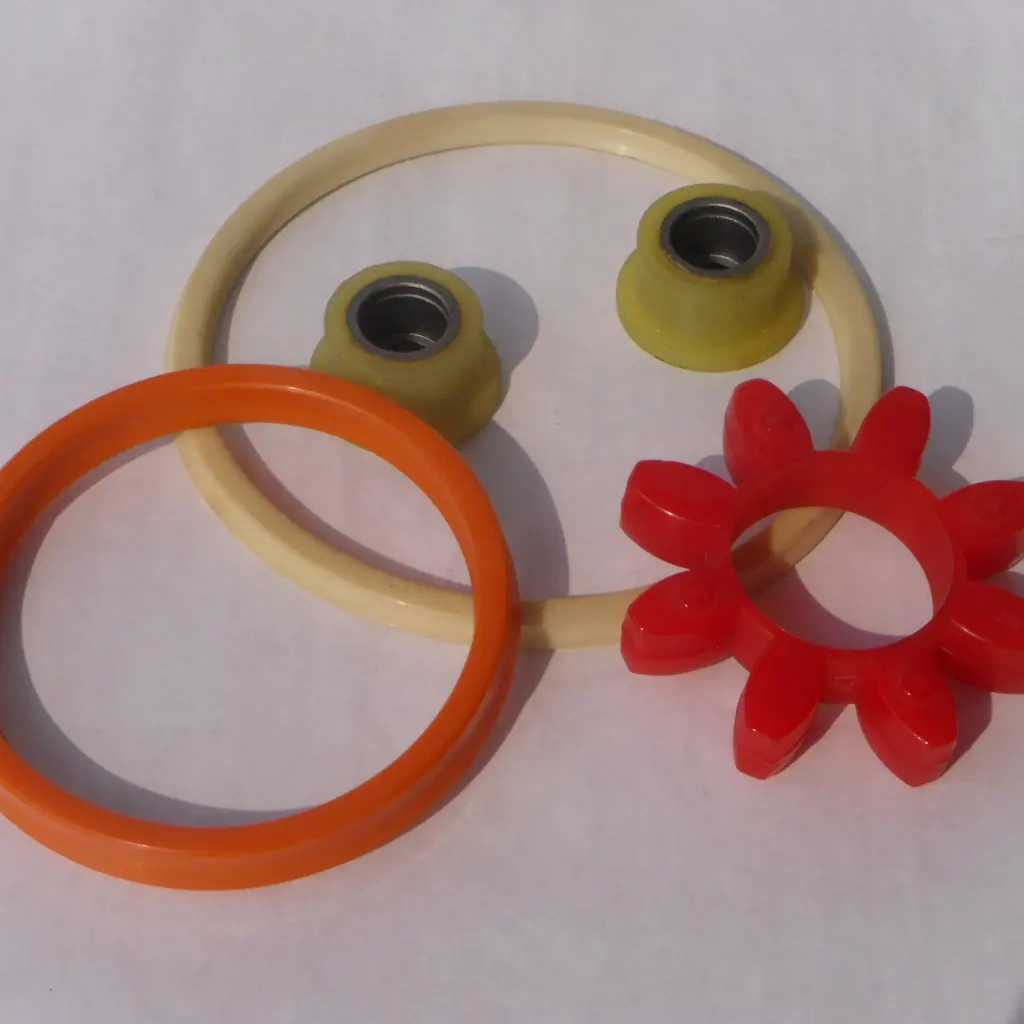
You manufacture precision rubber seals and gaskets for industrial equipment, blending compounds and operating presses or die cutters. A failed seal can damage your customer's expensive machinery, while the use of hot molds presents ongoing safety and fire risks.
The Southern Agency can review your specific production process and quality controls to help select appropriate insurance. For example, we can help distinguish between a covered liability claim for equipment damaged by a failed seal and a dispute over a late delivery or a design warranty issue.
A defective or out-of-tolerance gasket can allow leaks in engines, pumps, or piping, producing claims well beyond the part's cost.
Incorrect rubber chemistry or curing can cause premature degradation, swelling, or hardening that leads to batch-wide failures.
Compression and injection presses, hot molds, and rubber mills expose workers to burns, pinch points, and crush hazards.
A press or curing system failure can interrupt just-in-time deliveries to automotive and industrial customers, triggering penalties.
Stored rubber compounds and heat-based curing processes add fire load that can threaten the plant and inventory.
Custom molds and cutting dies represent significant value and can be damaged by fire, breakdown, or while in transit for service.
Policies to ask about. Which ones fit depends on your operations, your contracts, and the carrier’s forms.
These hypothetical examples are not agency claim results. Whether a loss is covered depends on the facts, policy terms, and applicable exclusions.
An O-ring degrades early and a hydraulic leak damages customer equipment. Establish the compound, fluid, service conditions, and selection duties involved. Review equipment damage separately from the failed O-ring, removal, replacements, and any pollution or contract claim.
A curing-press control failure stops a production cell and delays OEM shipments. Check covered internal damage and purchased stock and income terms against repair and restart. An improperly cured seal batch or JIT penalty does not follow automatically as an insured loss.
A custom mold is damaged en route to an outside service shop. Identify its owner, insured value, carrier, and handling stage and the covered cause. Direct tooling protection, the carrier’s liability and later damage during service require separate review.
Start with the work you do and the questions your current policies leave unanswered. Carrier options depend on your location, risk, and underwriting. Explore our approach.
A seal failure can damage equipment far more valuable than the seal. Review the fluid, pressure, temperature, use, and plausible harm with qualified advisers, then compare proposed limits and exclusions. Part price or a customer request does not establish available capacity or cover for replacement seals, removal, and withdrawal.
Describe the vehicle application, compound, and selection role, customer quality and change requirements, traceability and any recall or delivery promises. Review those uses and obligations against the proposed product, professional and contract restrictions. Supplying an automotive customer does not establish a universal limit or insure every factory shutdown or campaign.
Identify who owns each mold or die, where it is kept and its repair or replacement value. Compare plant property, customer-property liability, and direct transit or off-site terms, including processing at a service shop. Ownership, possession or a vendor certificate alone does not establish all tooling losses covered.
Identify a covered internal press, control, mill, or curing failure and the stock and income extensions purchased. Compare waiting and restoration terms with repair and restart. A wrong cure, worn tool, rejected seal run, or JIT penalty is not itself an insured interruption.
Bring the requested limits, additional-insured wording, indemnity, and withdrawal or delivery obligations. Compare them with issued policies and endorsements. The certificate records information; it does not add coverage or assure every OEM requirement can be met.
Underwriters consider end markets, in-house compounding, sales volume, equipment, payroll, and loss history. Each factor shapes premium, subject to policy terms.
Bring your questions, current policies, and relevant contracts. An agent can review coverage terms, exclusions, and the information carriers ask for, then explain the options available to you.