

Hydraulic hose burst under pressure
A hose that fails in service can release high-pressure fluid, injuring operators or damaging equipment and prompting product liability claims.
Try a different word, or check the spelling.
Your belt can stop an otherwise undamaged customer line, or its failure can damage surrounding equipment. Those facts create different liability questions; product terms should distinguish them from replacing the belt or resolving a contract claim.
The Southern Agency can help evaluate your production hazards and product liability risks.
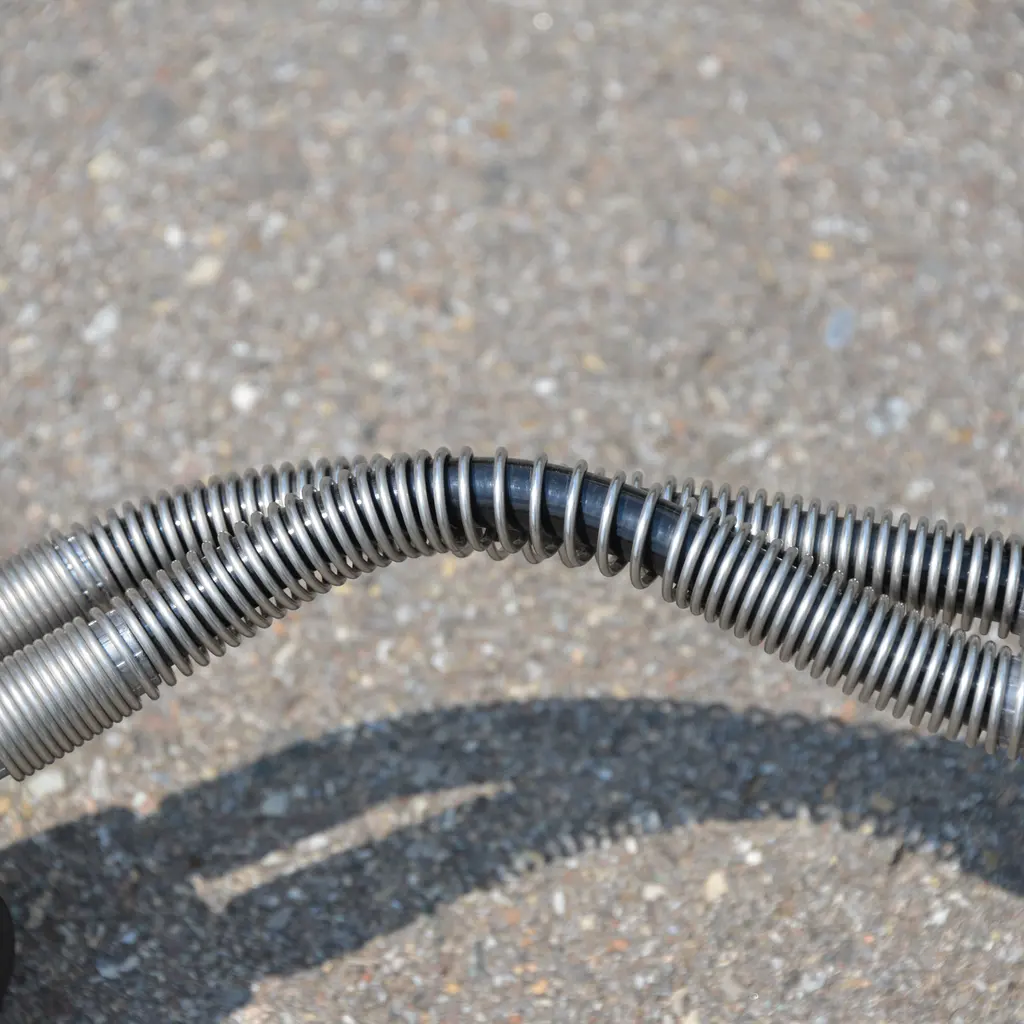
You operate a factory producing reinforced belts and industrial hoses for high-pressure or high-tension applications. A burst hose or failing belt can interrupt a customer's entire production line, while the use of heavy autoclaves and solvents creates significant facility hazards.
The Southern Agency can review your curing and production operations to help select appropriate insurance. For example, we can help you evaluate the difference between a liability claim for damage caused by a burst hose and the operational impact of a plant shutdown due to a failed vulcanizing press.
A hose that fails in service can release high-pressure fluid, injuring operators or damaging equipment and prompting product liability claims.
A split or delaminated belt can stop an undamaged customer line or cause secondary damage. Those facts lead to different loss-of-use, impaired-property, and liability questions.
High-heat presses, steam autoclaves, and calenders expose workers to burns, steam release, and crush injuries during operation.
Bulk compound, solvent-based cements where used and curing heat create a fire load that depends on the materials and storage in the plant.
Failure of large vulcanizing presses or autoclaves can halt production and spoil partially cured product.
Heavy belting rolls and coiled hose can be damaged during loading or shipment to distributors and end users.
Policies to ask about. Which ones fit depends on your operations, your contracts, and the carrier’s forms.
These hypothetical examples are not agency claim results. Whether a loss is covered depends on the facts, policy terms, and applicable exclusions.
A hydraulic hose ruptures and high-pressure fluid injures a machine operator. Review the hose and assembly, fluid, and service conditions, selection or fitting responsibilities and the product injury claim. Replacing hose, withdrawal, pollution, and warranty costs need separate terms.
A supplied conveyor belt delaminates and stops a customer’s production line. Establish whether other equipment or stock was damaged or an undamaged line can resume with a replacement belt. Review impaired-property and contract restrictions separately from replacing the belt, removal, refunds, and lost production.
A steam autoclave fails and several batches cannot be cured on schedule. Identify covered internal damage, the cause of any batch loss, and purchased stock and income terms. Repair and restart, partial-cure quality, ordinary wear, and delivery penalties are different questions.
Start with the work you do and the questions your current policies leave unanswered. Carrier options depend on your location, risk, and underwriting. Explore our approach.
Describe hydraulic or industrial hose, conveyor belting, and transmission belts and their service conditions. A burst can injure someone or damage equipment; a belt may also stop an undamaged line. Product terms, impaired property and contract restrictions require different review from replacing the hose or belt and funding a withdrawal.
Bring pressure ratings, the fluid, temperature, and service, reinforcement and test records, and who fits or selects the assembly. Review the applications included and product, professional, and pollution restrictions. A pressure rating does not establish an available limit or coverage for every release, injury, or removal expense.
Compare covered property causes with internal press, autoclave, or calender failure. Check purchased stock and income terms, waiting periods, and repair and restart time. An interrupted cure or rejected batch alone does not establish insured equipment or stock damage.
Identify the owner, carrier, loading stage, load-securing arrangements, and maximum goods values. Auto liability and vehicle damage differ from direct cargo cover and the carrier’s liability. Neither a truck schedule nor the delivery contract establishes every roll protected.
Bring the actual limits, additional-insured, indemnity, shutdown, and warranty requirements. Compare them with the issued policies and endorsements and the services performed. A certificate or supply agreement does not add coverage or assure every condition can be met.
Underwriters consider product mix, pressure applications, sales volume, curing equipment, fire protection, payroll, and loss history. Each shapes pricing, subject to policy terms.
Bring your questions, current policies, and relevant contracts. An agent can review coverage terms, exclusions, and the information carriers ask for, then explain the options available to you.