

Seal failure at a customer's site
A leaking or blown seal can release process fluids, damage equipment, or force a shutdown, driving product liability and warranty claims.
Try a different word, or check the spelling.
Your seal's service conditions include the pressure and the fluid it is meant to contain. Product and environmental protection need to fit those applications, with leak damage kept distinct from replacing the part or meeting a shutdown claim.
The Southern Agency can help you align your pressure-sealing device risks with the insurance coverage you need.
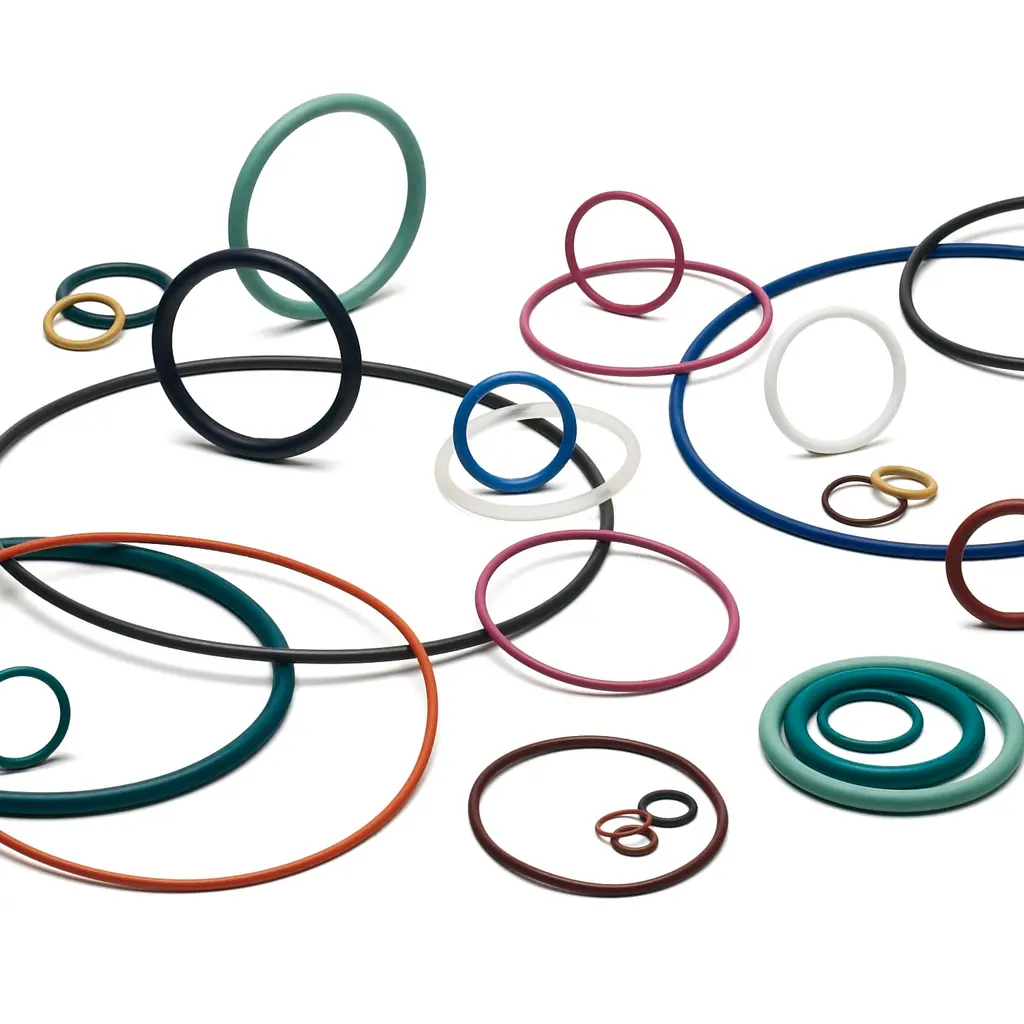
You produce precision sealing devices meant to contain pressurized fluids in industrial systems. A faulty seal can lead to premature wear or failure, potentially causing expensive equipment damage or environmental hazards at a customer site.
The Southern Agency can help you review your manufacturing tolerances and the service conditions of your sealing products to select appropriate insurance. For example, we can clarify the difference between an injury caused by a seal leak and the costs of replacing a defective part or addressing a process shutdown.
A leaking or blown seal can release process fluids, damage equipment, or force a shutdown, driving product liability and warranty claims.
Precision parts that fall out of spec can fail in pressurized service even with sound materials, exposing the maker to claims.
Test rigs, machining centers, and lapping equipment expose operators to pressure-release, caught-in, and laceration hazards.
Specialized machining and lapping equipment is central to precision work; a breakdown can stop a line with no quick substitute.
Where seals fail in service handling hazardous media, the maker may face claims tied to spills or environmental harm.
Machining lubricants, solvents, and material dust create fire potential that can damage equipment and engineered stock.
Policies to ask about. Which ones fit depends on your operations, your contracts, and the carrier’s forms.
Ready to compare options?
Get a quote for Packing and Sealing Device Manufacturer Or call 1-800-777-1TSAThese hypothetical examples are not agency claim results. Whether a loss is covered depends on the facts, policy terms, and applicable exclusions.
A customer alleges a supplied mechanical seal failed and released process fluid, damaging a pump. A product liability policy may respond to defense and damages, depending on policy terms and the facts. Review the pump damage separately from the failed seal, replacement and removal costs and any pollution claim.
A pressure-test rig fails and injures an operator. Workers' compensation may respond to medical and wage costs, while equipment breakdown may address the rig, subject to policy terms. Identify the employee injury and the rig’s cause of failure separately; pressure loss alone does not establish covered breakdown.
A failed seal contributes to a spill of hazardous fluid at a customer site. Environmental liability may respond to cleanup and related claims, depending on the specific policy and exclusions. Confirm that the supplied seal, media, customer-site release and cleanup or third-party claim fall within the proposed environmental terms; premises cover alone does not establish that scope.
Start with the work you do and the questions your current policies leave unanswered. Carrier options depend on your location, risk, and underwriting. Explore our approach.
A failed seal can release fluids and damage costly equipment. Product liability may respond to resulting claims, subject to policy terms, applications served, and underwriting.
Identify the fluid or gas, pressure, temperature, equipment, and material-selection role. Compare those applications with product and pollution terms and any professional-services exclusions. A customer’s specification does not establish coverage or guarantee an available policy for the service.
A supplied seal can be alleged to cause a release away from your premises. Review whether the proposed form includes that product, application, site and type of claim, separately from factory releases. Cleanup, third-party harm, and normal spill-prevention or compliance costs are different questions.
Compare covered fire or other property causes with internal failure of the machining, lapping or pressure-test equipment. Check any purchased stock and income extension and repair or restart time. Tool wear, a part outside tolerance and the seal’s own failed test do not alone establish equipment-breakdown payment.
Review the fluid, pressure, end use, and plausible injury or equipment-damage claims with qualified advisers. Compare proposed limits, attachment, and exclusions with the primary policies. A demanding application does not establish available capacity or extend pollution, professional, warranty, or recall protection.
Business income coverage may respond when a covered loss halts precision production, helping with lost revenue. Coverage depends on the specific policy and exclusions.
Bring your questions, current policies, and relevant contracts. An agent can review coverage terms, exclusions, and the information carriers ask for, then explain the options available to you.