

Seal or gasket failure in service
A gasket that blows out or degrades can allow leaks that damage customer equipment, leading to product liability and warranty claims.
Try a different word, or check the spelling.
Your compound and tolerance choices have to suit the heat, pressure and material being sealed. Product protection should fit those applications, with damage to a customer's pump kept distinct from replacing the gasket or meeting a fit warranty.
The Southern Agency can help you compare product-liability needs with the materials and applications your gaskets serve.
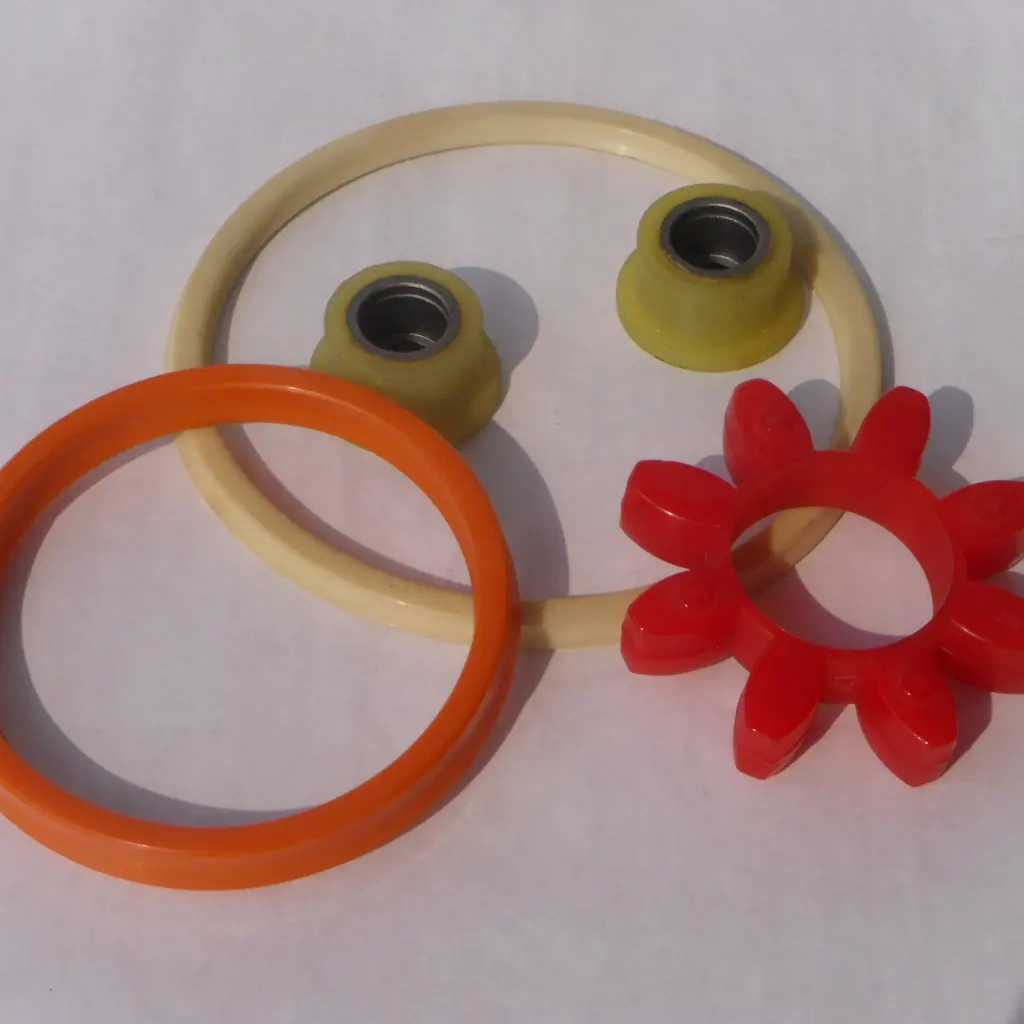
You cut, mold or assemble gaskets for engines, pumps, valves or other equipment, using materials matched to the heat, pressure and substance being sealed. A wrong compound or tolerance can let fluid escape and damage customer equipment. Replacing a poorly fitting gasket alone is a different cost.
The Southern Agency can help you review your production methods, such as die-cutting or molding, to help select insurance tailored to your applications. We can discuss how your coverage addresses component liability when a seal fails in a customer's equipment.
A gasket that blows out or degrades can allow leaks that damage customer equipment, leading to product liability and warranty claims.
Selecting the wrong compound or cutting to incorrect tolerances can cause failures, exposing the maker to claims tied to fit and performance.
Curing ovens, presses, and solvent use create heat and ignition sources that raise fire risk for equipment and stored stock.
Die-cutting presses and compression molds expose operators to crush and laceration injuries during high-volume runs.
Calenders, presses, and ovens are central to output; a failure can interrupt orders and idle the line.
Rubber compounding, adhesives, and solvents create handling and worker-health concerns requiring ventilation and controls.
Policies to ask about. Which ones fit depends on your operations, your contracts, and the carrier’s forms.
These hypothetical examples are not agency claim results. Whether a loss is covered depends on the facts, policy terms, and applicable exclusions.
A customer alleges a supplied gasket failed and allowed a leak that damaged a pump. Product liability may respond to defense and damages, depending on the policy and facts. Check the seal, material, medium and use included, injury or damage to the pump separately from the gasket, and own-product, impaired-property, pollution, design, and contract terms. Removal, shutdown and recall costs need separate review.
A curing oven malfunctions and halts production during a key order. Equipment breakdown and purchased income may help, subject to the policy and exclusions. Check the covered internal event separately from wear, cure, or process conditions, then stock, income, waiting, and restoration terms. A key-order stoppage alone does not insure every cost.
A fire involving solvents and rubber stock damages equipment and inventory. Commercial property may respond to repair or replacement, depending on the policy. Check the covered solvent and rubber fire, machinery and stock by owner, valuation and limits. Compound defects and warranty losses are separate questions.
Start with the work you do and the questions your current policies leave unanswered. Carrier options depend on your location, risk, and underwriting. Explore our approach.
A failed seal can allow leaks that damage costly equipment. Product liability may respond to resulting claims, subject to policy terms, endorsements, and underwriting.
Declare materials, sealed fluids or gases, pressure, heat and design or material selection separately from build-to-print duties. Compare uses included, exclusions and proposed primary and excess terms. Demanding use or a customer limit proves neither a quote nor acceptance of all removal, recall or professional financial loss.
Commercial property may respond to covered causes such as fire, while equipment breakdown may address covered internal mechanical or electrical damage. Review wear, cure and process restrictions, affected stock or dies and purchased income or extra expense, waiting, and restoration terms. A stopped oven or press alone does not insure every order loss.
Declare compounds, solvents, dust, heat, site and waste duties and controls with qualified advisers. Compare materials and processes expressly included, covered causes and property or pollution terms. A gasket label or controls alone do not guarantee availability, favorable terms or every release or fire benefit.
Review sealed media, equipment, uses, potential injury or damage, contract requests and risk tolerance with qualified advisers. Compare underlying and excess duties expressly included, attachment, aggregates and exclusions. Making gaskets alone establishes no universal high limit, capacity or automatic recall or professional extension.
Business income coverage may respond when a covered loss halts production, helping with lost revenue. Coverage depends on the specific policy and exclusions.
Bring your questions, current policies, and relevant contracts. An agent can review coverage terms, exclusions, and the information carriers ask for, then explain the options available to you.