

Load-bearing tack failure
A broken billet, girth, stirrup leather, or tree under riding stress can throw a rider and injure horse and person, driving serious claims.
Try a different word, or check the spelling.
A fit complaint about your saddle can call for an adjustment, an injury review, or attention to a customer's property. Product and fitting protection should follow the actual service and alleged harm, with show stock and missed sales treated separately.
The Southern Agency can help you protect your workshop and your equestrian products during sales and shows.
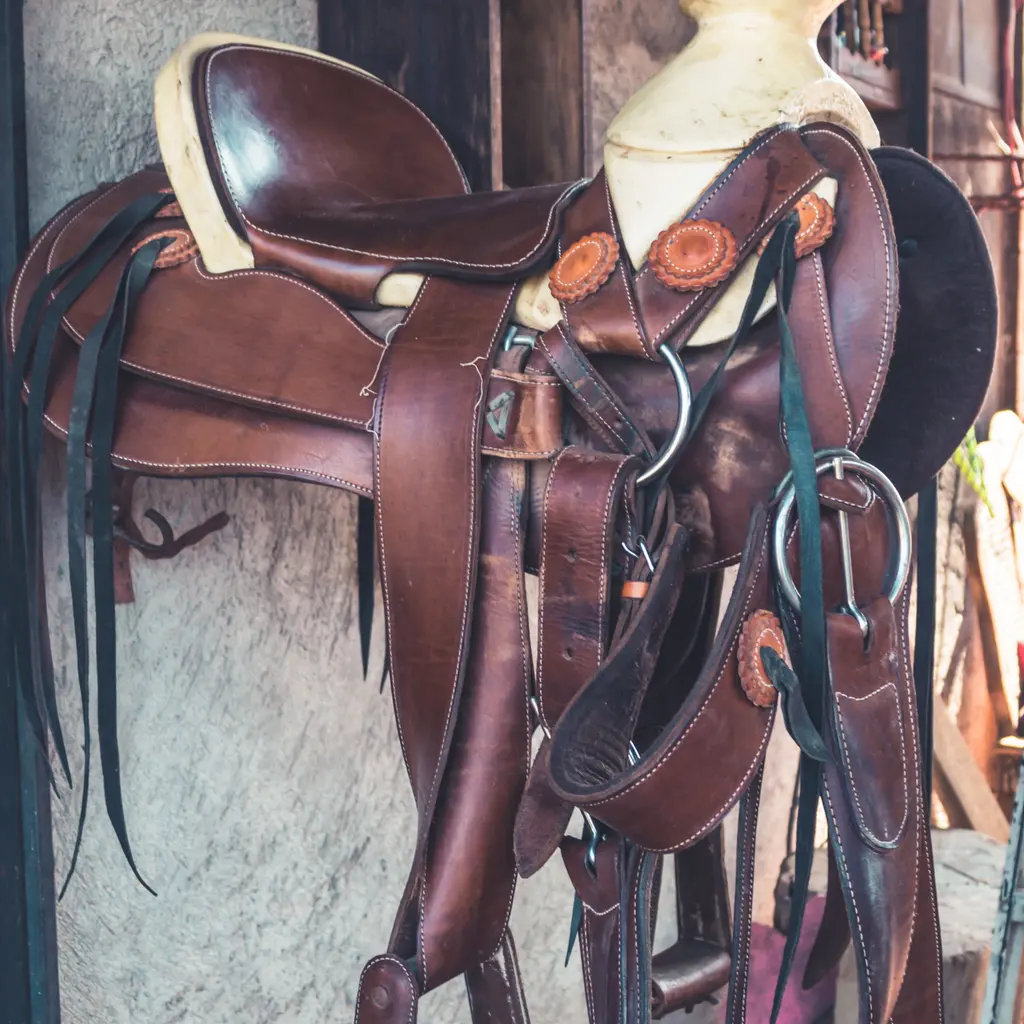
You craft equestrian gear like saddles and bridles, combining specialized stitching, riveting, and leather tooling. A failure in critical hardware or stirrup leathers can lead to rider injury, while the seasonal nature of shows and tack shops requires careful stock management.
The Southern Agency can review your assembly process and sales channels to help select appropriate insurance. For example, we can help you understand why a liability claim involving an injured rider requires different coverage considerations than the loss of custom tack stored at an equestrian show.
A broken billet, girth, stirrup leather, or tree under riding stress can throw a rider and injure horse and person, driving serious claims.
Buckles, stirrups, and fittings sourced from suppliers can fail, exposing the maker to liability for the assembled product.
Knives, awls, stitching machines, and riveting tools expose makers and helpers to cuts and puncture injuries.
Heavy hides, hardware stock, and finished saddles concentrate value that fire, smoke, or water could destroy.
Fit, comfort, or soundness complaints may concern adjustments and refunds, rider or horse injury, or handling customer property. Establish the service and alleged harm before reviewing liability.
Finished tack shipped to dealers or shown at equestrian events can be lost, damaged, or stolen away from the shop.
Policies to ask about. Which ones fit depends on your operations, your contracts, and the carrier’s forms.
These hypothetical examples are not agency claim results. Whether a loss is covered depends on the facts, policy terms, and applicable exclusions.
A girth fails while a horse is ridden and the rider falls and is injured. Identify the tack, strap or hardware and assembly duties involved and review the product injury claim. Replacing tack, honoring a fit promise or withdrawing other products are separate costs.
A fire damages hides, hardware, and finished saddles. Review the covered fire, stock ownership and stage, peak values, valuation, and limits. Check any purchased income terms separately from the cost to rebuild customer orders.
A shipment of saddles to an equestrian expo is lost. Establish the owner, carrier, last known custody stage, and evidence of loss, then check insured goods, causes and valuation. Transit, goods held at the show and event liability need separate review.
Start with the work you do and the questions your current policies leave unanswered. Carrier options depend on your location, risk, and underwriting. Explore our approach.
Girths, billets, stirrup leathers, and trees can fail under riding load and cause injury. Describe the products, intended use and supplier and assembly duties, then compare limits and exclusions. The cost to replace tack, honor a fit warranty or withdraw other products is separate from liability for resulting harm.
A maker can face an allegation about the assembled tack even when a supplier made the buckle or stirrup. Keep sourcing, inspection, and batch records and review product and contract terms. Supplier responsibility does not itself fund your defense, replacement hardware, or a withdrawal.
Keep the horse and rider measurements, intended use, tree and strap design, fitting and acceptance records. Separate a comfort or fit adjustment from alleged rider or horse injury. Disclose horse handling and review custody and professional-service restrictions alongside any remake, refund, or soundness promise.
Identify the goods owner, carrier, shipment, and show stages, vehicle, or overnight storage and peak value. Compare direct goods protection, theft conditions and valuation with the carrier’s liability. Event liability and expected sales are different interests.
Read the offered BOP’s liability and property parts for your tack, fitting duties and shop. Check the products-completed operations terms and tack restrictions before deciding whether separate product coverage is needed. Review customer property and the show and transit terms independently. The package name and workshop size do not establish eligibility or every benefit.
Requirements depend on state rules and the helper’s status and duties. Describe cutting, stitching, riveting, machine, and repetitive work and payroll. Review applicable classifications and qualifying benefits; one helper does not establish the same requirement in every state.
Bring your questions, current policies, and relevant contracts. An agent can review coverage terms, exclusions, and the information carriers ask for, then explain the options available to you.