Skip to content

Sporting And Athletic Goods Manufacturer Insurance

A helmet or pad buyer may rely on the protection your model claims for a particular sport and user. Product liability should reflect those representations, with injury, correcting the gear, and withdrawing stock treated as different needs.

The Southern Agency can help you align your manufacturing risks and retailer requirements with appropriate insurance.

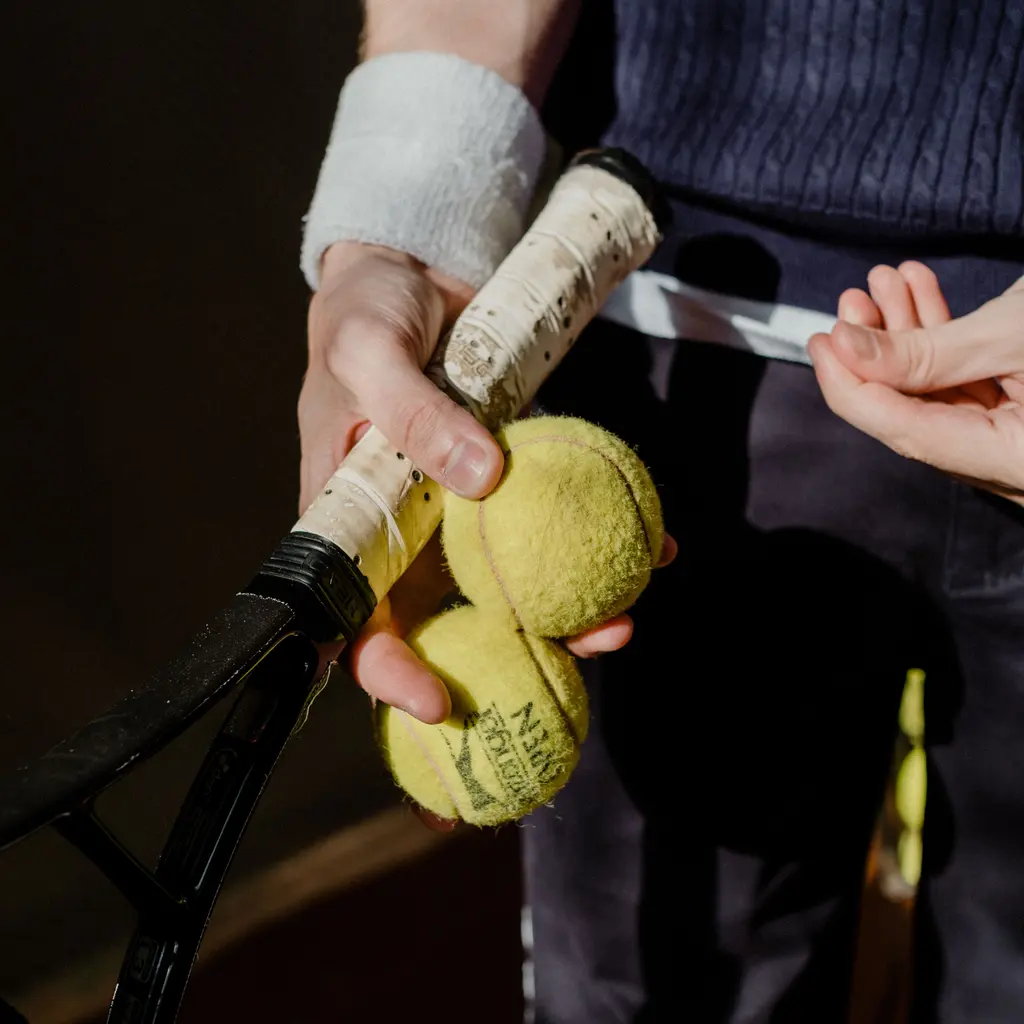
A tennis racket and yellow tennis balls held together in a close-up view.

Industry overview

You make sports or fitness equipment that people rely on during play, training or exercise. A failed protective or load-bearing part can lead to an injury allegation, while a molding or assembly failure can delay orders. The sport, intended user and protection you claim affect the review.

The Southern Agency can help you review your manufacturing processes, intended product uses, and retailer contracts to select appropriate insurance. We can discuss how to separate liability for product injuries from property damage, equipment breakdown, and the potential costs of withdrawing unsafe stock.

Risks worth discussing

Injury claims tied to product failure

A user may allege a helmet, pad, bat, or exercise machine was defective and caused injury. The intended use, failure allegation and manufacturer’s design or production duties matter; an injury alone does not determine fault.

Protective gear performance allegations

A claim may concern the protection promised by a helmet or pad, its intended sport or user, or the testing and warnings supplied. Retain model-specific design and test records so the allegation can be assessed.

Plant machinery and process hazards

Molding, cutting, sewing, and assembly equipment exposes operators to crush, cut, burn, and handling hazards. Identify the processes performed rather than treating all goods as one production exposure.

Product recall and design issues

A discovered safety problem can lead to withdrawal and corrective work. Liability for injury, the maker’s own replacement costs and recall expenses need their own triggers and grants.

Property loss to plant and inventory

A covered fire or other insured event can damage machinery, materials, and finished stock and interrupt distribution. Property values, insured interests, and any income protection need separate calculation.

Contractual and indemnity obligations

A buyer may request limits, additional-insured status, or indemnity. Check the actual agreement alongside the policy and endorsements.

Situations to think through

These hypothetical examples are not agency claim results. Whether a loss is covered depends on the facts, policy terms, and applicable exclusions.

  1. Hypothetical: Helmet injury lawsuit

    A user is injured during play and alleges a manufactured helmet failed to protect as represented. Product liability may address covered defense and damages if the product, use, and allegation fall within its terms. Fault and testing evidence still matter; the injury claim does not itself fund replacement of every helmet or a recall.

  2. Hypothetical: Fitness machine defect

    An exercise-machine component breaks and injures a user at a gym. Product liability may address covered defense or damages attributed to the manufacturer’s insured product. The injured person’s claim and the cost of repairing or withdrawing the machines are separate coverage questions.

  3. Hypothetical: Molding press breakdown

    A press fails mid-run, damages tooling and stops production. Equipment breakdown may cover eligible machine and tooling damage if the cause, equipment, and insured interests meet its terms. Included income coverage has separate waiting periods and restoration terms; it does not guarantee that delayed orders will be fulfilled on time.

Before you talk to an agent

What to have ready

Tick items as you gather them. Nothing here is saved or sent.

Questions to raise

  • Describe each product, intended sport, users, and protective or load-bearing claims, including the design and testing duties performed.
  • Compare injury liability with own-product repair, refunds, and the trigger and expenses of any withdrawal protection. A quality rejection is not the same as an insured unsafe-product recall.
  • Use peak values for raw materials, finished goods, and tooling, identifying any customer-owned equipment or stock.
  • Compare retailer, school and team requests with actual endorsements and indemnities; certificates and purchase orders do not expand insurance.
  • Assess possible claim size and contractual limits alongside primary aggregates, underlying coverage, and excess attachment. Check which products and claims remain excluded at each layer.

Contract terms to check

  • Identify who designs, tests and approves the product and its warnings; get qualified review of applicable product standards rather than treating an insurance certificate as product certification.
  • Compare requested product liability limits and additional-insured status with the issued policy and endorsements. Obtain qualified review of indemnities and do not assume every buyer obligation is insured.
  • Allocate responsibility for withdrawal, notification, replacement, refunds, and buyer costs separately from liability for covered injury or property damage.
  • Distinguish promised delivery dates and delay payments from covered machine repair and business income. Identify ownership and responsibility for any customer tooling held or used.

What the agent conversation looks like

Start with the work you do and the questions your current policies leave unanswered. Carrier options depend on your location, risk, and underwriting. Explore our approach.

  1. ListenReview your operations, current coverage, and past claims.
  2. AssessIdentify potential hazards and discuss ways to reduce risk.
  3. BuildDiscuss policy and carrier options, premium costs, and audits.
  4. SupportReview changes and help you plan ahead as your needs develop.

Questions owners ask

Why is product liability so important for athletic goods makers?

A defect or alleged failure of protective or load-bearing equipment can be linked to a user’s injury. Product liability may address covered defense and damages, depending on the goods, use, allegations, and policy. Keep injury claims separate from refunds, own-product repairs, and withdrawal expenses rather than assume all product disputes share one response.

Does protective equipment raise insurance exposure?

The protective function and representations matter: identify the sport, intended users, testing, warnings, and what the product is said to do. Have applicable product requirements reviewed by qualified advisers. Compare the insured products, uses, exclusions, and limits against those specifications.

Is a product recall covered?

Only if the event and costs fall within the recall or withdrawal protection arranged. Product liability for injury is different from paying to retrieve, notify, replace or refund goods. A safety withdrawal, a retailer’s return, and a quality-only rejection need separate treatment, with the insured products, trigger, and optional expenses checked.

What do retailers and sports organizations typically require?

A buyer may request minimum limits, additional-insured status, indemnity, or withdrawal-related obligations. Bring the actual agreement and compare it with the policy and endorsements. A certificate does not amend coverage, and the request does not establish that every term is available or insured.

Does equipment breakdown apply to my plant machinery?

An insured internal mechanical or electrical breakdown may qualify for equipment repair. Tooling and resulting income losses depend on the coverage purchased, ownership, affected machinery, waiting periods, and restoration terms. Wear, normal servicing or a missed delivery date does not itself establish an insured breakdown.

How are premiums for an athletic goods plant set?

Describe the product mix and protective uses, and bring sales, territories, and injury or recall history. Include testing, plant processes, machinery, payroll, peak stock, and tooling values and buyer requirements. Disclose independent design services and direct online sales if performed. Terms, availability, and price depend on the operation and underwriting.

Talk through your sporting and athletic goods manufacturer coverage

Bring your questions, current policies, and relevant contracts. An agent can review coverage terms, exclusions, and the information carriers ask for, then explain the options available to you.

How can we help you get started?

Choose the quote that fits, and we’ll take it from there.

Have a question? Contact us