

Variable product liability exposure
A change in product, material, or end use can change the consequences of a defect. Describe the mix and how policy terms handle changes rather than assuming a package covers every new job.
Try a different word, or check the spelling.
Your next custom order may bring a new material, end use or drawing revision into the same shop. The product and design duties accepted by your insurer should keep up with that change, without assuming every buyer's financial promise is covered.
The Southern Agency can help you analyze your changing manufacturing needs to help you identify appropriate coverage.
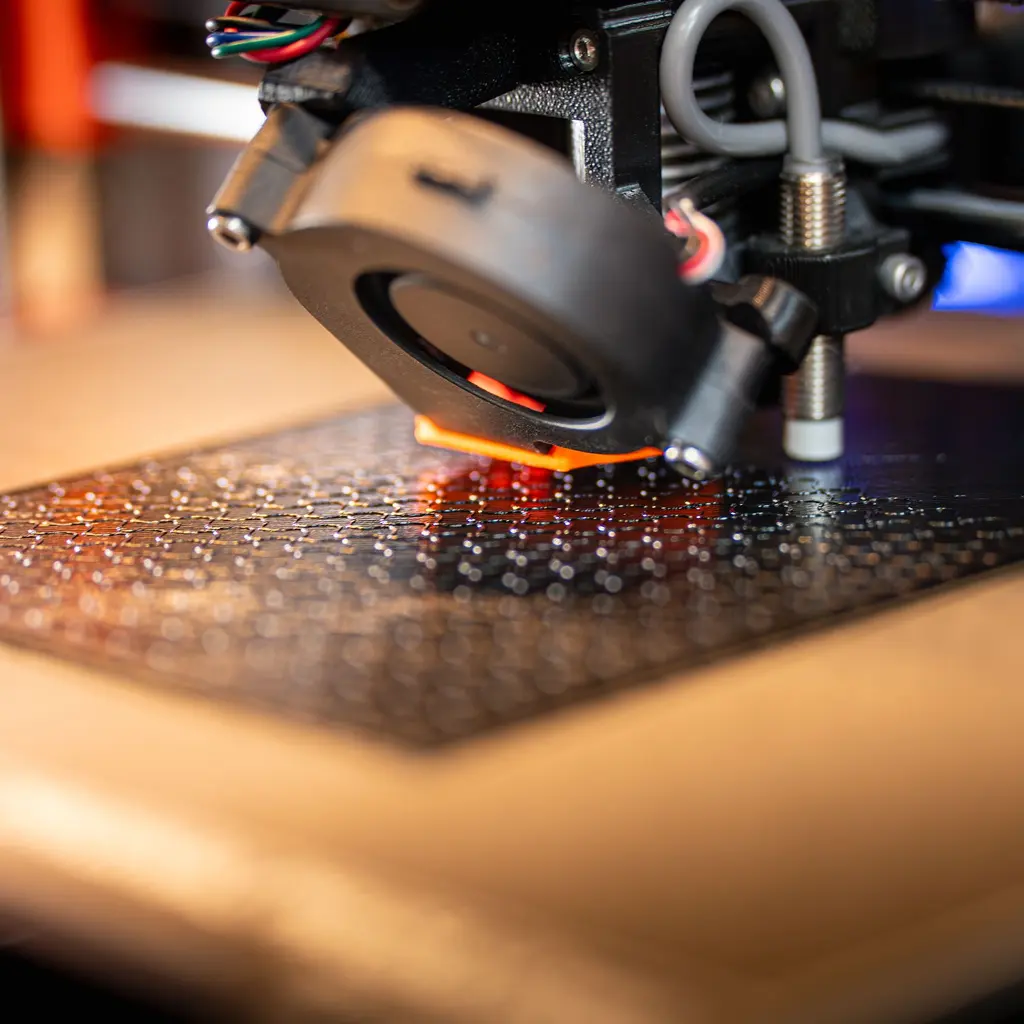
You produce custom or private-label goods that change based on client orders, which requires managing retooling, prototypes, and customer-supplied materials. A failed batch or design error can lead to customer demands for rework or compensation.
The Southern Agency can help you review your product mix, customer design duties, and manufacturing processes to help you select appropriate insurance. We can discuss how to separate your operational property and worker risks from product-specific liability or contract-based financial losses.
A change in product, material, or end use can change the consequences of a defect. Describe the mix and how policy terms handle changes rather than assuming a package covers every new job.
A dispute may concern the customer’s drawing, the manufacturer’s work, or both. Preserve revisions, material approvals, and testing records; building to specification does not itself resolve fault or insurance coverage.
Indemnities, additional-insured requests, and performance promises can create different obligations. The contract’s allocation of costs may extend beyond what a liability policy insures.
Tool changes and machine setups expose employees to handling and machinery hazards. Identify the equipment used, the changeover tasks, and any work at customer locations.
Customer molds, components and materials can be damaged during storage, handling, or processing. Their ownership, agreed value and the basis of your responsibility determine what property or bailee protection to examine.
A machine needed for a custom job may have no ready substitute. The repair, resulting interruption, and buyer’s delay demand are separate potential losses.
Policies to ask about. Which ones fit depends on your operations, your contracts, and the carrier’s forms.
These hypothetical examples are not agency claim results. Whether a loss is covered depends on the facts, policy terms, and applicable exclusions.
A client says a made-to-order batch failed in use and demands its costs. Manufacturers E&O, if arranged for the products and claimed financial injury, may address an eligible claim. Any requested remake, refund, or performance payment needs to fall within that form’s terms.
A customer-supplied mold is damaged during a job and requires repair. Customer-property or bailee coverage may address an eligible loss on the form’s direct-damage or legal-liability basis. The cause, documented mold value and any restrictions on property being worked on control the response.
A key machine suffers an internal failure mid-project and the short run stops, delaying delivery. Equipment breakdown may cover eligible repair, and an included income extension may address the covered interruption after its waiting period. A buyer’s late-delivery demand needs separate contractual or financial-loss terms.
Start with the work you do and the questions your current policies leave unanswered. Carrier options depend on your location, risk, and underwriting. Explore our approach.
The product name alone may say little about the job. Provide the goods, materials, end uses, customer design responsibilities, and equipment involved, then establish how changes are handled under the policy. A commercial package can contain useful parts, but its label does not confirm cover for a changed product mix.
That depends on the facts, duties, and applicable law. A customer’s drawing does not resolve whether the maker selected the wrong material, departed from specifications or agreed to design work. Keep approved revisions and test results. Product liability concerns covered injury or property damage; financial injury and separate engineering services need their own coverage review.
They need to be identified and valued as customer property, with storage, handling, processing, and transit described. A property or bailee form may insure eligible direct damage or your legal liability, depending on its basis. General liability has custody and worked-on-property restrictions. Check protection for a mold installed in the machine as well as for its shipment.
A customer may ask for stated limits, additional-insured status, indemnity, or performance guarantees. Read the actual job agreement and compare those requests with the policy and endorsements. Certificates do not amend insurance, and accepting a promise to refund a batch or pay delay costs does not prove that the policy funds it.
A short run can still depend on one machine and a long repair lead time. Equipment breakdown may address an insured internal failure, while income coverage depends on its trigger, waiting period, and restoration terms. The customer’s delivery deadline does not set the insurer’s payment obligation.
It can combine selected property and liability coverage, but suitability depends on the work and terms. Identify the product mix, customer property, design duties, and critical machines. If manufacturers E&O or professional coverage is proposed, examine the insured products or services and exclusions; any claims-made form also needs its retroactive date and claim-reporting conditions checked.
Bring your questions, current policies, and relevant contracts. An agent can review coverage terms, exclusions, and the information carriers ask for, then explain the options available to you.