Skip to content

Specialty Textile Printer Insurance

A customer-supplied logo gives you a job file, not necessarily the right to reproduce the artwork. Printing, entrusted-garment and privacy protection should keep permission disputes separate from physical damage or a records breach.

The Southern Agency can help you evaluate your printing operations and customer-property risks to help you identify appropriate insurance.

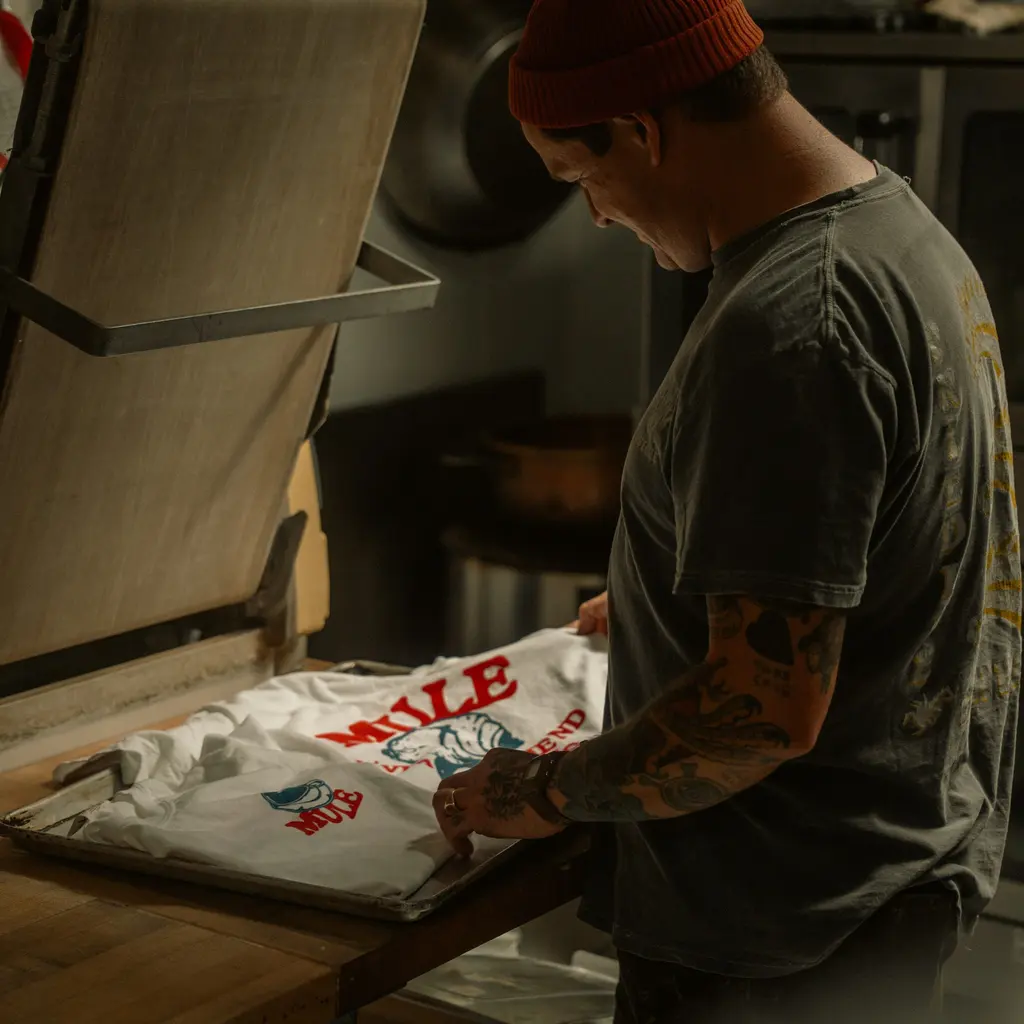
A worker finishing a printed T-shirt at a workshop heat press.

Industry overview

You use various printing methods and chemicals to apply graphics to fabric, often handling customer-supplied garments and artwork. A printing error, misprint, or discharge of dye-bearing wastewater can create distinct financial and environmental exposures.

The Southern Agency can help you review your printing methods, chemical handling, and customer agreements to select appropriate insurance. We can discuss how to separate your property and machinery risks from liability for intellectual property, product misprints, or environmental conditions.

Risks worth discussing

Ink, dye, and solvent pollution

Rinse water, dye-bath effluent or cleaning chemicals can reach drains or soil. Identify the substance, discharge route, and condition that caused the demand; ordinary waste treatment and a covered pollution loss are different matters.

Damage to customer-supplied goods

Customer fabric or garments can be scorched, lost, or misprinted while held or processed. Ownership, cause, agreed value, and processing restrictions matter; possession alone does not settle legal liability or insurance.

Curing oven and dryer fire

Flash units, ovens, and dryers bring heat near fabric and chemical stock. Identify flammable ingredients from the formulas and process conditions rather than treating every ink or dye as flammable.

Intellectual property claims

Reproducing protected logos or artwork can prompt copyright or trademark allegations. A right to use a customer file, an advertising-injury grant, and specialist IP coverage are separate questions.

Press and equipment breakdown

An automatic press, digital printer, or dryer failure can stop dependent jobs. An insured internal breakdown, faulty setup and a customer’s delay demand require different treatment.

Chemical exposure to workers

Press and finishing staff encounter moving equipment, heat, handling, and chemical-contact hazards. Describe the actual substances and tasks rather than inferring identical exposure from every printing method.

Situations to think through

These hypothetical examples are not agency claim results. Whether a loss is covered depends on the facts, policy terms, and applicable exclusions.

  1. Hypothetical: Dye effluent discharge

    Dye-bearing rinse water reaches a floor drain and the shop receives a regulatory cleanup demand. Environmental liability may address eligible remediation if the discharge is an insured pollution condition and site, substance, and reporting terms are met. Check regulatory defense and penalties separately from cleanup and routine wastewater treatment.

  2. Hypothetical: Ruined customer garments

    Customer-supplied shirts are scorched in a dryer and replacements cannot arrive by the promised date. Customer-property or bailee coverage may address eligible garment damage if the cause and processing activity are insured. The late-order demand and replacement timing are separate from the covered value of the shirts.

  3. Hypothetical: Design infringement allegation

    A brand alleges the shop reproduced its artwork on garments without permission and seeks damages. Specialist media or IP coverage, if offered for that reproduction work and alleged right, may address covered defense or liability. General liability’s limited advertising-injury grant does not by itself establish cover for artwork printed on a customer’s goods.

Before you talk to an agent

What to have ready

Tick items as you gather them. Nothing here is saved or sent.

Questions to raise

  • Value customer garments and fabric separately from owned stock, including peak orders, and property undergoing printing or curing.
  • Distinguish scorched goods from a wrong-color or placement error. Customer-property, printers E&O, and correction-of-work terms address different losses.
  • Describe where screen rinse, dye-bath water, and cleaning waste go; compare insured pollution conditions with ordinary treatment and permit duties.
  • Check whether proposed IP cover includes your reproduction work and the rights alleged. General liability advertising-injury cover is limited, and cyber is not a substitute for artwork permission.
  • Calculate press and dryer repair lead times and income exposure separately from promised event dates or delivery penalties.

Contract terms to check

  • Record the owner and agreed value of supplied garments, responsibility during printing and curing, and how a damaged or misprinted order will be resolved.
  • Identify who supplies artwork and obtains reproduction rights. Have permissions, license restrictions, and IP indemnities reviewed; customer approval alone may not settle a rights dispute.
  • Separate reprints, refunds, expedited replacement, and late-delivery promises from insured property damage and liability. Any correction-of-work or financial-loss protection needs its own terms.
  • Compare requested insurance limits and additional-insured status with the policy and actual endorsements. A certificate does not expand coverage or establish that every contractual promise is insured.

What the agent conversation looks like

Start with the work you do and the questions your current policies leave unanswered. Carrier options depend on your location, risk, and underwriting. Explore our approach.

  1. ListenReview your operations, current coverage, and past claims.
  2. AssessIdentify potential hazards and discuss ways to reduce risk.
  3. BuildDiscuss policy and carrier options, premium costs, and audits.
  4. SupportReview changes and help you plan ahead as your needs develop.

Questions owners ask

Does a general liability policy cover ink and dye pollution?

A general liability form can exclude pollution, including cleanup demands, and the exceptions and endorsements matter. A separate pollution policy may address a defined insured release. Describe the chemicals, screen rinse or dye-bath process and discharge route; a demand to improve normal wastewater treatment is not automatically an insured cleanup event.

What if we ruin garments a customer gave us to print?

Identify the owner, value, cause and whether the garments were being stored, printed or cured. Customer-property or bailee terms may cover eligible damage, subject to processing and worked-on restrictions. A misprint may instead call for printers E&O or an optional correction-of-work extension; neither a rerun nor a delivery penalty is promised by ordinary stock cover.

Are we exposed if a design we print infringes a trademark?

The rights holder can make a claim even when the customer supplied the file. General liability has IP exclusions and a limited advertising-injury grant, so a trademark on printed goods needs careful review. Specialist media or IP terms may be relevant if they insure your activities and the alleged right. Check the form’s coverage trigger; if it is claims-made, also check prior acts and reporting conditions.

Is breakdown of our presses and dryers covered?

An insured internal mechanical or electrical breakdown may qualify for repair. Included stock or income extensions have their own causes, limits, waiting periods, and restoration terms. Wear, setup errors and missed customer deadlines are not all equivalent to an insured breakdown.

Why would a printer need cyber coverage?

Customer accounts, payment information, and design files create data and systems exposure. Cyber coverage may address a covered security or privacy incident and specified response costs, with interruption only if provided. File restoration is different from liability for using artwork without permission; review each proposed grant rather than treating all design-related loss as cyber.

Do we need workers' compensation for press operators?

Press operators can face machinery, heat, chemical, and handling injuries. State law and employment arrangements determine whether coverage is required and which benefits apply. Describe employees and other workers accurately; a shop property or customer-liability policy does not replace qualifying workers’ compensation benefits.

Talk through your specialty textile printer coverage

Bring your questions, current policies, and relevant contracts. An agent can review coverage terms, exclusions, and the information carriers ask for, then explain the options available to you.

How can we help you get started?

Choose the quote that fits, and we’ll take it from there.

Have a question? Contact us