

Slab cracking in fabrication or transit
Expensive granite and quartz slabs can crack while being cut, loaded, or transported, destroying material before it is installed.
Try a different word, or check the spelling.
A cut slab may be made for one customer's kitchen rather than replaceable from ordinary stock. Your protection needs to follow that stone through fabrication and fitting, as well as cover the shop machinery.
The Southern Agency can help you review slab stock, fabrication machinery, and installation at customers' properties.
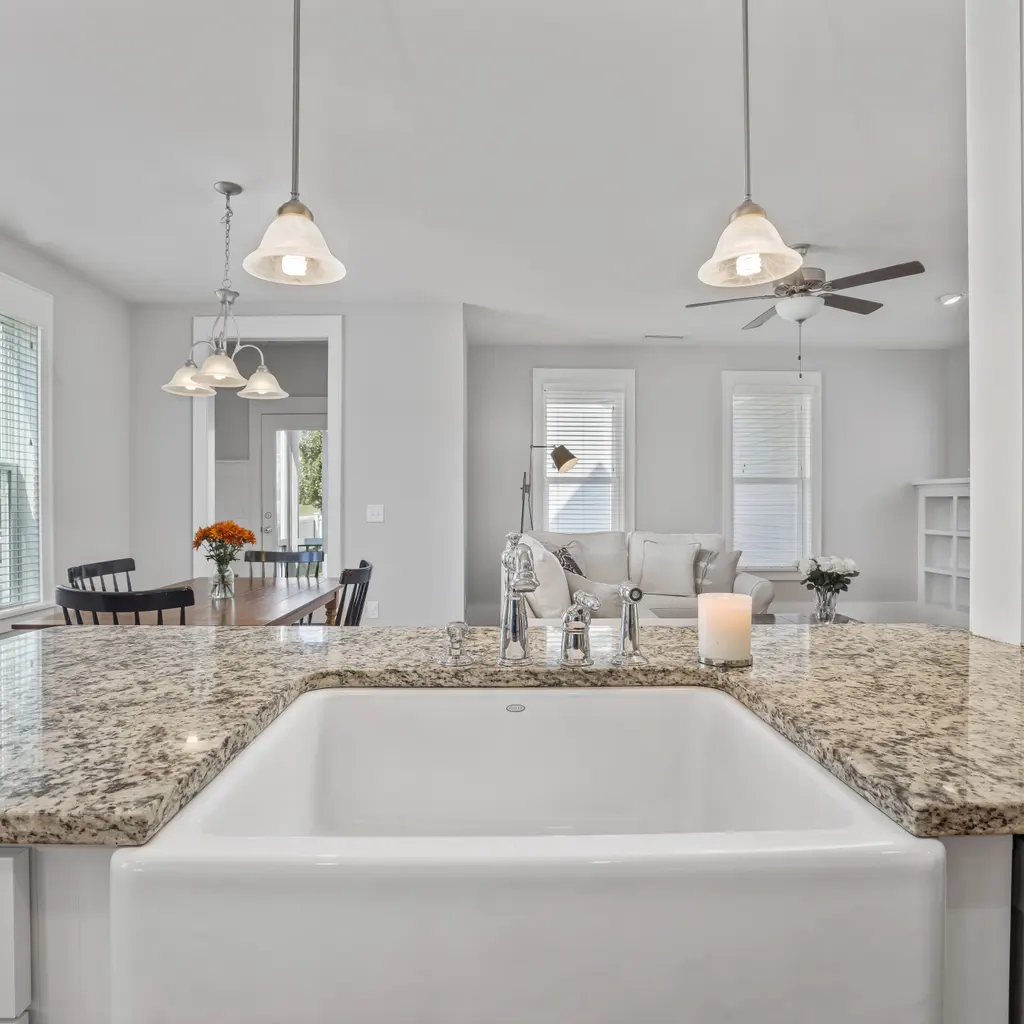
You fabricate and install heavy stone countertops in homes and businesses. Dropping a slab during transport or installation can cause significant property damage, while a machinery breakdown can stall your production.
The Southern Agency can review your shop fabrication and installation site safety to help you select appropriate insurance, such as coverage for stone slabs or liability for site damage, while distinguishing equipment maintenance from accidental failure.
Expensive granite and quartz slabs can crack while being cut, loaded, or transported, destroying material before it is installed.
Setting heavy tops in completed kitchens and baths risks scratching cabinets, chipping floors, and damaging plumbing fixtures.
Cutting and grinding stone releases respirable silica, creating significant employee-health and workers' compensation concerns.
Lifting and carrying heavy countertops exposes crews to crush injuries, back strains, and pinched limbs.
Bridge saws, CNC machines, and polishers are critical to production, and a breakdown can stall fabrication and delay jobs.
A top that cracks or separates after installation can lead to product and completed-operations claims and costly replacement.
A-frame racks of slabs and finished tops on trucks face accidents and breakage on the way to installation sites.
Policies to ask about. Which ones fit depends on your operations, your contracts, and the carrier’s forms.
These hypothetical examples are not agency claim results. Whether a loss is covered depends on the facts, policy terms, and applicable exclusions.
Hypothetical: a finished top slips while being carried in and damages cabinetry. GL may address covered cabinet damage under work-property and custody terms. Review ownership and any handling or installation protection for the top separately; liability for the cabinets does not automatically insure the slab itself.
Hypothetical: a fabricator alleges illness from stone dust over time. Workers' compensation may provide qualifying occupational-disease benefits under applicable law. Identify employers, materials, tasks and exposure periods and review applicable policies; neither the current policy nor environmental liability automatically addresses every employee allegation.
Hypothetical: the primary saw suffers mechanical failure and fabrication stops. Breakdown terms may address repair if the machine and failure qualify. Identify component and cause and distinguish wear or maintenance from insured breakdown; lost income, extra expense, waiting periods and contract-delay demands need separate terms and loss evidence.
Start with the work you do and the questions your current policies leave unanswered. Carrier options depend on your location, risk, and underwriting. Explore our approach.
Inland marine may insure covered loss to specified slabs and finished tops during included transit and handling stages. Check ownership, load values, fragile-material breakage and loading or unloading restrictions. Insurance on the truck or A-frame rack does not automatically insure the stone.
Workers' compensation may provide qualifying occupational-disease benefits under applicable law. Review employers, actual materials and tasks, exposure periods and policies; do not assume the current policy responds to all historic exposure. Controls and monitoring matter to risk assessment but do not establish safe exposure, accepted coverage, or a favorable rate.
Identify whether only the top or its supports need correction or whether separate injury or other-property damage occurred. General liability products and completed-operations terms may address covered resulting harm. A crack after handoff alone does not establish coverage for replacing the top, honoring a warranty, or a recall.
General liability may address covered damage to surrounding cabinetry, floors, or fixtures. Review the property being worked on or controlled by the crew and applicable restrictions. Actual cabinet damage differs from damage to the top itself or a demand to correct its fit.
It may help repair an eligible saw or CNC machine after a covered mechanical or electrical failure. Check causes and exclusions, including wear and maintenance, rather than assuming every shutdown qualifies. Income and extra expense require their own covered trigger, limits, waiting period and restoration terms; repair cover alone does not establish them.
Insurers commonly weigh revenue, inventory value, machinery, dust controls, payroll, and loss history. Coverage availability depends on underwriting and your operations.
Bring your questions, current policies, and relevant contracts. An agent can review coverage terms, exclusions, and the information carriers ask for, then explain the options available to you.