

Defective lens or contact device claims
A flawed lens, wrong prescription, or contaminated contact can harm eye health, exposing the maker to product liability and recall.
Try a different word, or check the spelling.
Your prescription file can create a privacy duty, while the lens made from it creates a separate product responsibility. Data protection does not replace cover for the actual goods or turn a lens remake into an insured injury claim.
The Southern Agency can help you structure coverage for your ophthalmic production, data security, and quality obligations.
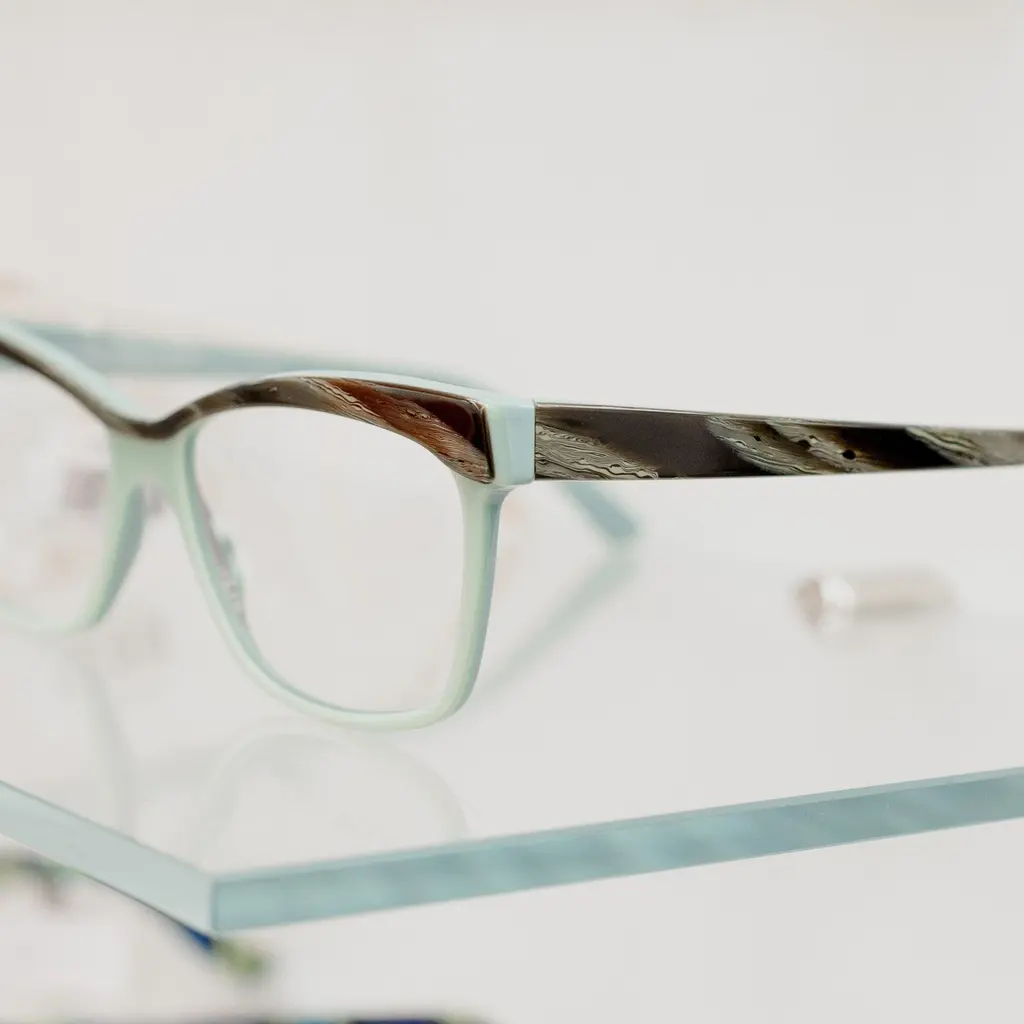
You manufacture lenses, frames, or contact lenses using precision grinding and coating, often within controlled environments. A prescription error or a contaminated contact lens can potentially lead to patient injury.
The Southern Agency can review your cleanroom operations and data-handling practices to help select appropriate insurance. For example, we can help you clarify how professional services or patient-data breach coverage fits alongside your general production liability.
A flawed lens, wrong prescription, or contaminated contact can harm eye health, exposing the maker to product liability and recall.
Loss of environmental control can contaminate or spoil batches, ruining product and interrupting regulated production.
Grinding, molding, and coating equipment is sensitive and costly; a breakdown can halt output and waste in-process work.
Handling prescriptions and patient information shared with providers creates privacy and breach exposure if systems are compromised.
Have qualified advisers identify the product and manufacturing-stage obligations, including applicable quality and traceability duties. A test, registration or buyer’s requirement does not itself establish compliant production or insured recall costs.
Coating chemicals, solvents, and grinding processes create handling and respiratory concerns requiring controls.
Policies to ask about. Which ones fit depends on your operations, your contracts, and the carrier’s forms.
These hypothetical examples are not agency claim results. Whether a loss is covered depends on the facts, policy terms, and applicable exclusions.
A patient alleges a defective lens coating caused eye irritation and seeks costs. A product liability policy may respond to defense and damages, depending on policy terms and the facts. Separate the alleged patient irritation from replacing the coating or lens, remakes, and withdrawing the affected line.
An environmental-control failure contaminates a contact-lens batch. Identify the cause and any covered equipment or property damage, then review purchased stock, contamination, and income provisions. A batch hold or unusable contacts alone does not establish payment for disposal, cleaning, testing, requalification, or recall.
A breach exposes patient prescriptions and identifiers, triggering notification costs. A cyber policy may respond to breach response and liability, depending on the specific policy. Identify the insured systems and data and the applicable response, consent, and reporting conditions. A notification duty alone does not establish every expense.
Start with the work you do and the questions your current policies leave unanswered. Carrier options depend on your location, risk, and underwriting. Explore our approach.
Eyeglass and contact-lens products can fall under medical-device rules, but the product, intended use, and manufacturing stage matter. A blank, finished lens, frame and contact lens need the appropriate role review with qualified advisers. Regulatory status or registration does not itself establish approval, compliant production, or insurance payment.
Identify why the batch became unusable and whether there was a covered physical or internal equipment event. Review stock, contamination and income extensions, exclusions and restart terms. A quality hold alone does not establish payment for discarded contacts, testing, cleaning, requalification, or recall.
Describe the prescriptions and identifiers held, provider contracts, vendor access, and the systems involved. Review covered security or privacy events and response conditions; privacy obligations depend on the role and information handled. Cyber insurance does not itself pay lens remakes, patient injury, or the cost of all compliance work.
Compare covered fire or water damage with internal mechanical or electrical failure of the actual grinding, coating and environmental-control systems. Check any stock and income extension and realistic restoration terms. A failed calibration or cleanliness result alone is not proof of covered equipment damage.
Describe how prescriptions are matched to production jobs, materials, and coating lots are traced, and environmental controls are monitored where used. Bring test, complaint and remake records. These help explain the operation, but a documented quality system does not itself establish insurance for defective lenses, batch disposal, or recall.
Review any separately offered withdrawal form for the ophthalmic product, defect or contamination trigger, eligible costs, and reporting or consent conditions. Product liability for patient injury does not itself cover retrieving, replacing or refunding lenses, frames, or contacts.
Bring your questions, current policies, and relevant contracts. An agent can review coverage terms, exclusions, and the information carriers ask for, then explain the options available to you.