Skip to content

Surgical And Medical Instrument Manufacturer Insurance

The same instrument may pass through your shop, a contract sterilizer and a clinical user's reprocessing stage. Product and service liability need to identify where the alleged problem arose, separately from retesting, replacing devices or protecting design files.

The Southern Agency can help you align your insurance with the regulatory and safety risks inherent in medical instrument production.

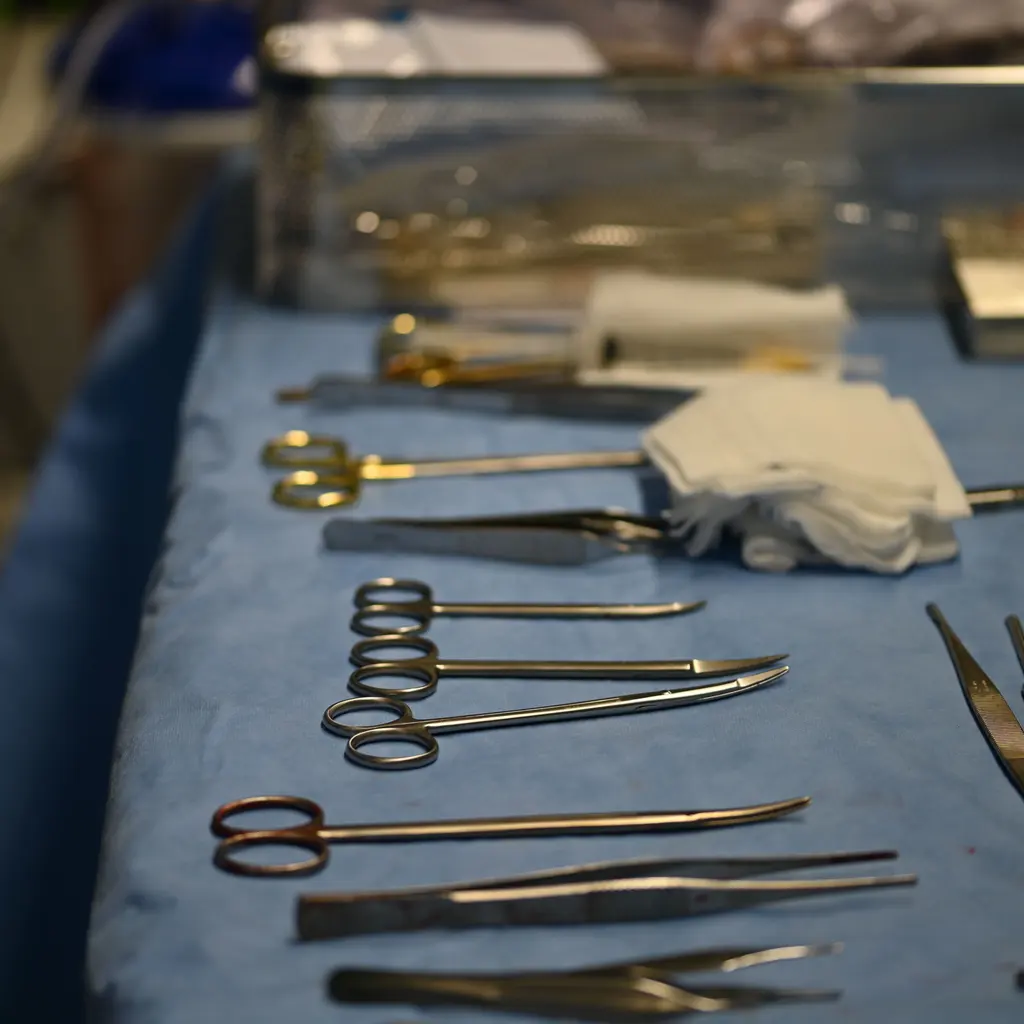
Metal surgical clamps, scissors and forceps arranged on a blue sterile drape.

Industry overview

You produce medical instruments that may be used in surgical procedures. An instrument failure or contamination can lead to patient harm, while cleaning and sterilization protocols represent significant operational responsibilities.

The Southern Agency can review your instrument types, intended uses and design or sterilization duties to help you select insurance. We can discuss patient-injury liability alongside plant and equipment protection, keeping reusable-device instructions and clinical reprocessing responsibilities clear.

Risks worth discussing

Patient injury from a defective instrument

A failed scalpel, forceps or diagnostic instrument may be alleged to injure a patient during a procedure. Identify the device, intended use, design, or manufacturing allegation and who supplied instructions or performed clinical work.

Contamination and sterilization failure

Contamination or a problem with sterilization or reprocessing can lead to patient allegations, held stock, or correction. Establish whether the manufacturer, contract sterilizer, or clinical user performed the stage involved; a failed sterility result alone is not an insured injury or machinery event.

FDA recall and corrective action

A defect or labeling problem can lead to correction or removal across clinical customers. Regulatory duties, replacing the device and liability for patient injury are distinct from the trigger and expenses of any withdrawal insurance.

Cleanroom and precision equipment loss

Fire or an internal failure can damage machining, grinding, sterilization, or controlled-production equipment. Quality holds, contamination and the steps needed before restart require their own cause and expense review.

Worker injuries handling sharps and machinery

Machinists, grinders, assemblers and staff handling sharp instruments face cutting, entanglement, and repetitive-work hazards. Include maintenance and sterilization tasks where performed and actual employee and contractor arrangements.

Data and intellectual property exposure

An intrusion can expose design files, regulatory records, or customer information. The data, system, and responsibilities affected determine the response; confidential design value, patient injury, and privacy liability are not interchangeable losses.

Situations to think through

These hypothetical examples are not agency claim results. Whether a loss is covered depends on the facts, policy terms, and applicable exclusions.

  1. Hypothetical: Instrument malfunction during surgery

    A surgical instrument fails during a procedure and a patient alleges injury. Product liability may address covered defense and damages if the instrument, clinical use, and manufacturer’s role fit its terms. Clinical responsibility and fault remain factual questions; replacing instruments or withdrawing other units is a separate expense.

  2. Hypothetical: Sterilization equipment breakdown

    A sterilizer fails, a batch must be scrapped and the line stops. Equipment breakdown may address eligible repair if an insured internal event caused machine damage. Scrapped stock and income require the applicable purchased extensions and timing; failed sterility alone does not establish that cause or payment for testing, requalification, or the entire shutdown.

  3. Hypothetical: Design data breach

    An intrusion exposes proprietary instrument designs and regulatory files, prompting investigation costs. Cyber coverage may address eligible forensic response to an insured security event, subject to notice, consent, and other terms. Loss of the designs’ commercial value, every regulatory consequence, and defective-device injury are separate coverage questions.

Before you talk to an agent

What to have ready

Tick items as you gather them. Nothing here is saved or sent.

Questions to raise

  • Describe each instrument’s procedure, users, design, and manufacturing duties and how it is supplied for use or reuse. Compare patient-injury terms with any product, professional, or clinical-service restrictions.
  • Separate injury defense and damages from investigation, held lots, field correction, retrieval, and replacement. If withdrawal terms are offered, compare the actual device, event, and expenses before making buyer commitments.
  • Map machining, grinding, sterilization, and controlled-environment dependencies. Estimate repair, quality checks, and restart separately, then compare insured internal damage and purchased stock, income, and extra expense.
  • Inventory design files, regulatory records and customer or patient information actually held and identify system providers. Compare security or privacy response with confidentiality liability, design-value loss and device injury rather than treating them as one cyber claim.
  • Discuss plausible claim size and buyer limits alongside primary aggregates, defense treatment, and excess attachment. Confirm the devices and underlying duties included at each layer; higher limits do not add recall, clinical services, or regulatory correction.

Contract terms to check

  • Allocate device design, manufacture, component supply, sterilization, labeling, and clinical preparation or reuse duties. For reusable instruments, distinguish the manufacturer’s instructions from the facility’s execution of reprocessing; a contract alone does not settle fault or insurance.
  • Compare the devices and manufacturing or design work included in each policy with any separately provided technical or clinical services and professional exclusions. If a product or professional form is claims-made, review prior acts and claim and reporting deadlines. A general consultants form is not proof of medical-device or clinical cover.
  • Review hospital, surgical-center and distributor limits, additional-insured requests and indemnities against issued endorsements. A procurement requirement or certificate does not create cover or establish that every requested limit or obligation is available.
  • Allocate notification, retrieval, field correction, replacement, refunds, and regulatory duties separately from injury liability. A recall decision or FDA involvement does not itself fund those costs; offered withdrawal terms need the actual device, trigger, expenses, consent, and notice.
  • Separate equipment repair, affected stock, quality testing, requalification, and lost income, including any obligations to equipment lenders. Record data access and confidentiality responsibilities separately from promises to replace stolen designs or restore every clinical supply commitment.

What the agent conversation looks like

Start with the work you do and the questions your current policies leave unanswered. Carrier options depend on your location, risk, and underwriting. Explore our approach.

  1. ListenReview your operations, current coverage, and past claims.
  2. AssessIdentify potential hazards and discuss ways to reduce risk.
  3. BuildDiscuss policy and carrier options, premium costs, and audits.
  4. SupportReview changes and help you plan ahead as your needs develop.

Questions owners ask

Why do medical instrument makers need strong product liability limits?

Discuss the instrument’s procedure, possible patient harm, sales and clinical distribution, claim history and buyer requests. Compare the devices and duties insured, aggregates, defense treatment and any excess attachment and exclusions. No single limit is established by the medical-device label, and more limits do not add withdrawal or clinical-service cover.

Is an FDA recall covered?

FDA involvement does not establish an insurance grant. If withdrawal terms are offered, check the device, defect or contamination event, expenses, notice, consent, and limits. Product liability for patient injury does not itself pay retrieval, testing, field correction, replacement, or every regulatory cost. Confirm availability for the actual devices before relying on it.

How does equipment breakdown apply to a cleanroom plant?

An insured internal event affecting the included machining or sterilization equipment may qualify for eligible repair. Affected stock, income and extra expense need their purchased terms and timing. Wear, failed sterility, quality holds and requalification alone do not establish payment or an authorized return to validated production.

Do we need cyber coverage as a manufacturer?

Describe design files, regulatory records, customer information, and any patient data held, systems and provider access. Compare the event with the response costs and liability sections purchased. A proprietary-file breach does not itself establish insurance for trade-secret value, patent loss, device correction or patient injury.

What do hospital and surgical-center contracts require?

Hospital and surgical-center agreements may ask for limits, additional-insured status and indemnity, with separate quality, withdrawal or delivery promises. The agreement or certificate does not amend cover. Bring the specific request and compare it with issued endorsements; not every requested limit or contractual obligation is available or insured.

How are premiums for an instrument maker determined?

Provide instrument types, uses and regulatory classification advice, sales and distribution, product and recall history and quality records. Include machining, cleanroom, and sterilization values, payroll and the volume and sensitivity of data held. These support individual underwriting; a compliance record does not guarantee acceptance, terms, price or payment.

Talk through your surgical and medical instrument manufacturer coverage

Bring your questions, current policies, and relevant contracts. An agent can review coverage terms, exclusions, and the information carriers ask for, then explain the options available to you.

How can we help you get started?

Choose the quote that fits, and we’ll take it from there.

Have a question? Contact us