

Electrical fire from device defect
A defective contact, receptacle or switch can overheat or arc and ignite nearby building materials. Separate damage to the building from the failed device, replacement, and other units being withdrawn.
Try a different word, or check the spelling.
Your receptacle can already be installed when a batch concern leads to tracing and rewiring requests. Product protection needs to distinguish resulting building damage from device replacement and retrieval; a listing mark does not supply those insurance terms.
Tell The Southern Agency about your devices, intended installations and testing so we can start the coverage review with those responsibilities in view.
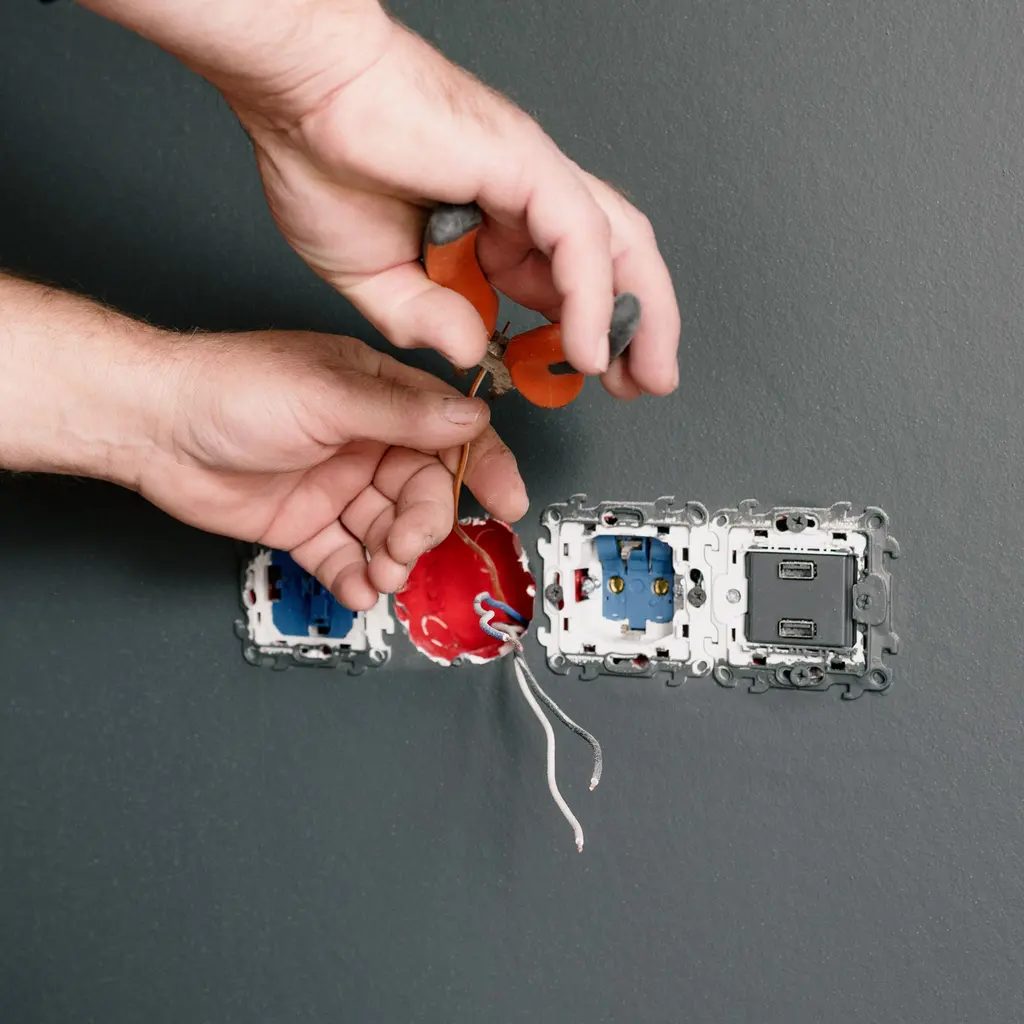
You mold, stamp and assemble electrical wiring devices, then test them for their intended use. An overheating product can lead to a fire or shock claim, while a failed production machine can stop output at your factory.
The Southern Agency can review your devices and manufacturing processes to help you select insurance. We can compare product liability for covered injury or damage with equipment breakdown for an insured internal failure, treating recalls as a separate coverage question.
A defective contact, receptacle or switch can overheat or arc and ignite nearby building materials. Separate damage to the building from the failed device, replacement, and other units being withdrawn.
An insulation or grounding allegation can involve electric-shock injury. Identify the device, component supplier and design, assembly or installation responsibilities rather than assume the manufacturer caused every incident.
A defect can recur across a production batch already with distributors or installed in buildings. Traceability, notification, retrieval, replacement, and rewiring are different expenses from liability for resulting harm.
Press clamps, stamping dies, automated assembly and maintenance expose workers to caught-in, crush, and repetitive-motion injuries. Include mold changes, feeding and clearing or servicing equipment.
Identify resin types, quantities, storage, and finished-device staging around hot molding equipment. Material and arrangement matter; plastics are not one uniform fire classification.
An unsuitable rating, construction change or failed test or listing problem can prompt rejection, correction or withdrawal. Obtain qualified product and installation advice; a certification mark is not an insurance grant or a substitute for the actual policy.
Internal press, stamping or assembly-system damage can hold up production. Product-test failure, worn tooling and a molding-quality hold are different causes from insured machinery breakdown.
Policies to ask about. Which ones fit depends on your operations, your contracts, and the carrier’s forms.
These hypothetical examples are not agency claim results. Whether a loss is covered depends on the facts, policy terms, and applicable exclusions.
A buyer alleges a defective receptacle overheated and caused a fire that damaged a wall and surrounding building materials. Product liability may help defend and pay a covered resulting-damage claim if the device, use and duties fit. Replacing the receptacle, correcting installation, and retrieving other devices require separate review.
An arcing defect across a switch line prompts notification and retrieval from distributors and installed locations. Purchased recall protection may help with eligible notification or retrieval expenses if the devices, event, and expenses are included. Product liability for injury or building damage is separate; replacement switches, rewiring, recertification, and every buyer charge are not assured.
An internal electrical failure damages an injection molding press and stops housing production. Equipment breakdown may help with eligible repair, and purchased income coverage may address the resulting interruption, subject to waiting periods and restoration limits. An incorrect molding setting, rejected housings or a missed distributor deadline is a different loss.
Start with the work you do and the questions your current policies leave unanswered. Carrier options depend on your location, risk, and underwriting. Explore our approach.
A contact, insulation or grounding defect can be alleged to cause fire or shock after installation. Identify the device, rating, use and design or installation duties and compare the claim with the policy. Replacing your devices, impaired systems, rewiring, warranties, and withdrawal are separate from liability for covered injury or building damage.
A repeated defect can affect a batch at distributors and many installed locations. Identify the tracing, notification, retrieval, and replacement plan and compare any proposed recall terms for products, event, expenses, consent, and limits. Product liability for resulting harm does not itself fund all notification, rewiring, recertification or buyer remedies.
Describe the resins, stock quantities, hot processes, staging, and fire protection at your site. Property may help repair the insured plant and replace stock damaged by a covered fire, with purchased income reviewed separately. Materials and controls inform assessment but do not guarantee terms or payment.
Bring the product, rating, intended installation, applicable test, or listing advice and construction changes. Compare those facts with the products, uses and conditions in the actual policy. A product-safety certification mark relates to particular test standards, not an insurance limit; a missing listing does not itself insure correction, recertification or withdrawal, and insurance does not approve the design.
Covered internal damage may qualify for press repair. Check affected stock and purchased income or extra-expense terms, waiting periods, and repair and restart time. Wear, tooling changes, wrong settings and device-test failures alone do not establish insured machine damage or every lost order.
Compare plausible fire or shock claims and accumulation across batches with primary limits, aggregates, and defense treatment. Excess may add limits for the underlying liabilities specified, subject to attachment and exclusions. Choose the layer from those claims and terms, keeping recall, device correction, and plant-property protection separate.
Bring your questions, current policies, and relevant contracts. An agent can review coverage terms, exclusions, and the information carriers ask for, then explain the options available to you.