Skip to content

Tire Production Facility Insurance

Your suspected tire defect can call for tracing, inspection, and retrieval before any road injury claim exists. Product liability and withdrawal expenses need distinct terms, alongside the rubber stock, curing equipment, and people at your plant.

The Southern Agency can help you analyze your manufacturing, curing, and distribution exposures to find appropriate insurance limits.

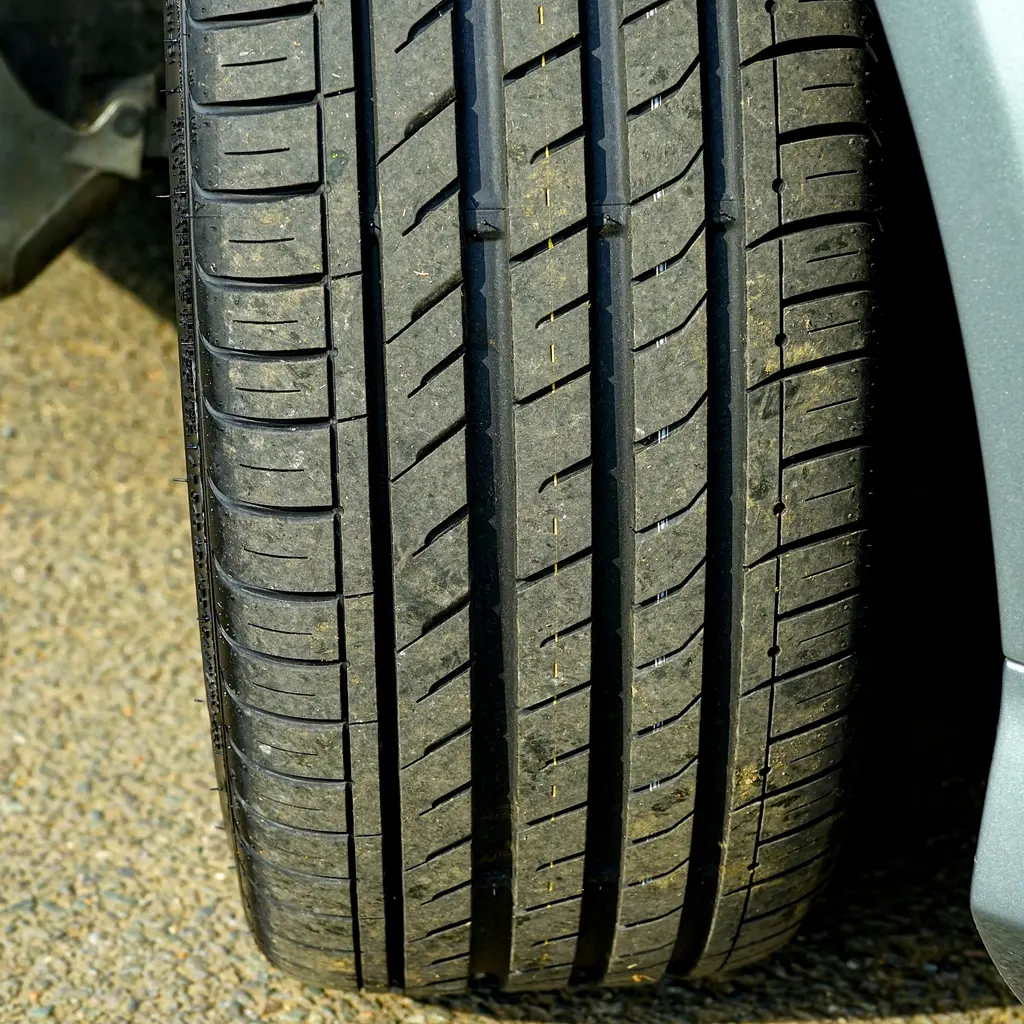
Close-up of a car tire showing its tread grooves.

Industry overview

You combine rubber, steel and textile reinforcement into tires using heavy mixing machinery and heated curing presses. A construction or cure defect can lead to a crash allegation after sale. At the plant, rubber and finished-tire stock create fire exposure, while a failed mixer or press can interrupt dependent lines.

The Southern Agency can help you review your production facility and market risks to select the right insurance. We can help you separate the costs of an insured plant fire from the complexities of defending a product liability claim related to a road accident.

Risks worth discussing

Catastrophic warehouse and plant fire

A fire can damage rubber, finished tires, plant machinery and the building. Describe quantities, storage arrangement, compounds, and protective systems so the property review reflects the stock and equipment exposed.

Tire defect contributing to an accident

Tread separation, bead failure or a curing flaw may contribute to a crash and allegations of injury or vehicle damage. Establish the tire, use, construction and parties involved rather than infer liability from a failure alone.

Curing press and mixer breakdown

Mixer, calender or curing-press failure can stop output and affect in-process tires. Equipment damage, defective cure, ordinary wear and a lost production run need different cause and coverage reviews.

Product recall exposure

A suspected defect across a run can require tracing, notification, retrieval, inspection, and replacement. Those expenses differ from defending a crash claim or paying covered resulting injury or property damage.

Emissions, dust, and waste handling

Compounding, curing, chemical storage, and waste handling can create dust, fumes or releases. Routine emissions control, a pollution claim, cleanup, and a regulatory penalty are different expenses.

Worker injuries on heavy machinery

Hot presses, mixers, calenders, and material movement expose workers to burn, crush, and handling injuries. Report actual operating and maintenance duties, payroll, worker status, and work states.

Coverage worth discussing

Policies to ask about. Which ones fit depends on your operations, your contracts, and the carrier’s forms.

Situations to think through

These hypothetical examples are not agency claim results. Whether a loss is covered depends on the facts, policy terms, and applicable exclusions.

  1. Hypothetical: Finished-tire warehouse fire

    Suppose a fire spreads through finished-tire stacks, damaging inventory and the warehouse and stopping production. Commercial property may help pay covered building and stock losses. Purchased business income may address the resulting insured interruption, subject to values, limits, waiting periods, and restoration terms.

  2. Hypothetical: Tread separation linked to a crash

    Suppose tread separation is alleged to have contributed to a highway crash that injures another driver. Applicable product liability may help pay defense and covered damages. An included excess layer may respond at its attachment point. Replacing the manufacturer’s tires and conducting a recall require separate terms.

  3. Hypothetical: Curing press failure stops output

    Suppose a curing-press control fails, requires repair and stops a bank of presses for several days. Equipment breakdown may help pay eligible repair if the cause meets its internal-damage terms. Purchased income or extra expense may address covered lost output or temporary arrangements; rejected in-process tires and delivery penalties need separate review.

Before you talk to an agent

What to have ready

Tick items as you gather them. Nothing here is saved or sent.

Questions to raise

  • Base property values on the building, mixing and curing machinery and peak tire stock. Describe storage and protective systems alongside the values at risk.
  • Compare actual passenger, truck and specialty uses and plausible crash claims with primary and excess terms. Buyer limits and severe possible injuries do not establish an available or suitable layer.
  • Map lot identification, defect investigation, and recall duties. Review notification, retrieval, testing and replacement expenses separately from liability for resulting injury or damage.
  • Estimate mixer and curing-system repair and restart time and the value of affected batches. Compare covered internal failure and purchased stock and income protection with wear, cure defects, and missed orders.
  • Describe actual compounds, oils, solvents, dust, emissions, and disposal routes. Pollution conditions and third-party claims need different review from normal controls, permit correction, and fines.

Contract terms to check

  • Allocate compound selection, tire design, manufacture, testing, distribution, and any fitting duties. Separate resulting injury or vehicle damage from rejected tires, warranty replacement, and withdrawal. Alleged loss of use needs the actual property-damage and impaired-property terms; professional and contract restrictions also matter.
  • Declare separately supplied design or application services. Any offered professional or manufacturer financial-loss cover must include those duties and losses; a general professional form may exclude product, injury, or property claims. Check prior acts and reporting where claims-made terms apply.
  • Compare buyer and distributor limits, additional-insured and indemnity requests and any recall or contamination promises with issued endorsements. A certificate, safety test or supply agreement does not add coverage or establish that an agency can meet every request.
  • Confirm owners and lender interests in equipment, tooling, and stock. Allocate storage, shipping, and waste responsibilities. Regulatory recall duties need qualified advice; an obligation to investigate, notify, or replace tires is not itself an insurance payment trigger.

What the agent conversation looks like

Start with the work you do and the questions your current policies leave unanswered. Carrier options depend on your location, risk, and underwriting. Explore our approach.

  1. ListenReview your operations, current coverage, and past claims.
  2. AssessIdentify potential hazards and discuss ways to reduce risk.
  3. BuildDiscuss policy and carrier options, premium costs, and audits.
  4. SupportReview changes and help you plan ahead as your needs develop.

Questions owners ask

Why is fire such a major concern for tire plants?

Rubber and stored finished tires can sustain a fire that damages stock, machinery, and the building. Assess quantities, storage arrangement, compounds, and protective systems with qualified advisers. Property limits should reflect insured values. Lost income and cleanup expenses require their own terms.

How serious is product liability for a tire maker?

A tread, bead or cure allegation can involve injury or vehicle damage after a crash. Applicable product terms may address defense and covered damages, but liability and coverage depend on the facts. Compare primary and any excess terms for the tire uses involved; tire replacement, warranty, and recall costs are separate questions.

Do we need environmental coverage?

Describe chemicals, dust, fumes, stored oils, emissions, and waste routes and any past releases. Pollution-specific terms may address included conditions, cleanup, or third-party claims. Prior conditions, reporting, and consent matter. Routine controls, permit correction, equipment upgrades, and fines are not established as covered expenses by the plant’s emissions alone.

What happens if curing equipment fails?

Identify the failed mixer, press, calender, or control and the cause of damage. Equipment breakdown may address eligible internal failure repairs, with stock, income, and extra expense only under their purchased terms. Waiting periods and restoration conditions matter; wear, a bad cure, and delayed orders are not themselves sufficient triggers.

Is product recall exposure covered?

Product liability for injury or damage does not establish payment for a recall campaign. Examine any offered recall form for the tires, defect trigger, territory and included notification, retrieval, testing, replacement or disposal expenses. Regulatory and customer obligations may be broader than the insured expenses; availability and terms need an actual proposal.

What drives premiums for a tire production facility?

Provide output and product mix, passenger and truck applications, storage and fire protection, plant construction and machinery values, environmental controls, payroll and headcount. Add product, recall, and property loss history. These facts inform underwriting; they do not establish a fixed rate or acceptance.

Talk through your tire production facility coverage

Bring your questions, current policies, and relevant contracts. An agent can review coverage terms, exclusions, and the information carriers ask for, then explain the options available to you.

How can we help you get started?

Choose the quote that fits, and we’ll take it from there.

Have a question? Contact us