

Retread separation on the road
A detached tread or casing failure may contribute to injury or damage on the road. Establish inspection, casing condition, bonding, and vehicle-use facts; a tire failure does not settle responsibility or coverage.
Try a different word, or check the spelling.
A customer's casing stays in your care before the retread returns to the road. Review both that custody and the liability a later tire failure could bring.
Tell us about the fleets you serve, the casings you hold and your pickup or fitting services to start the insurance review.
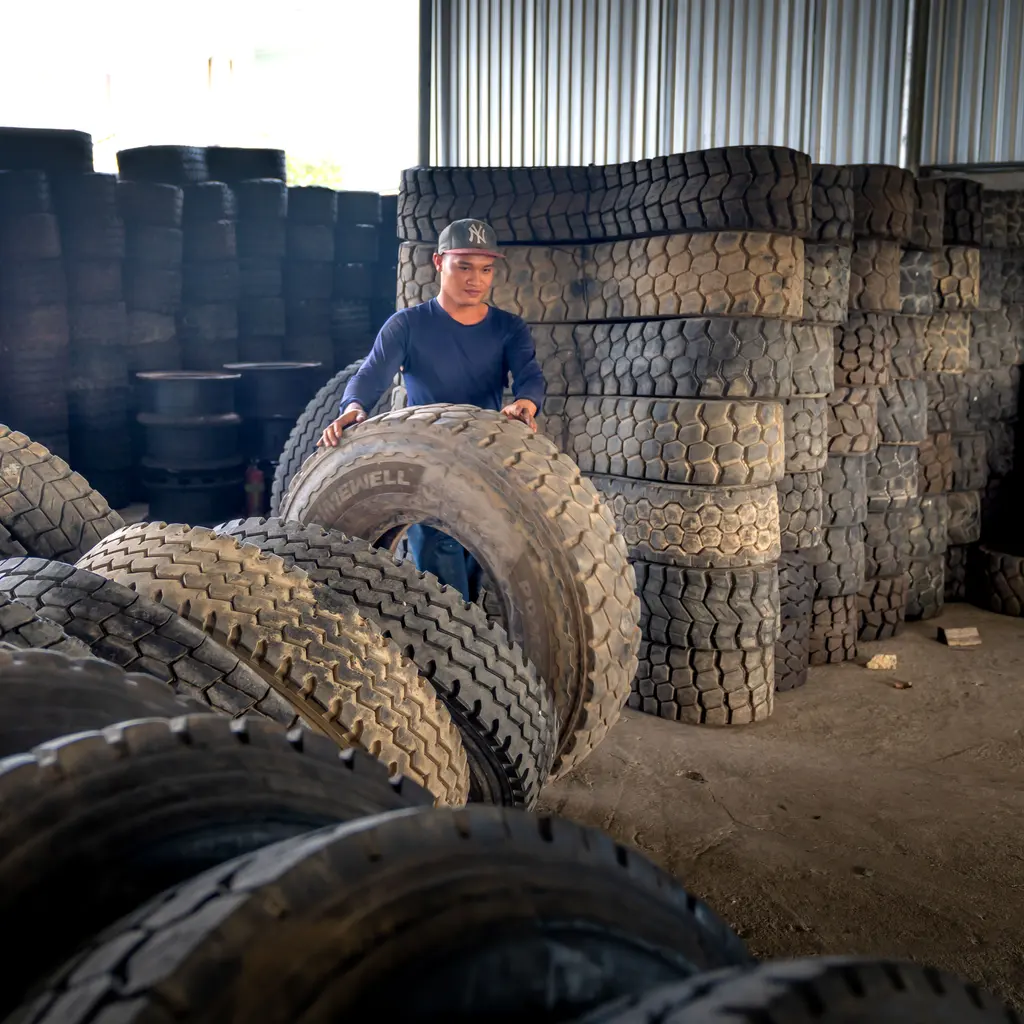
You inspect worn casings, buff them and bond new tread for commercial fleets. Customer casings can be damaged while awaiting work or during processing, and a later road failure can raise allegations about casing selection or bonding.
The Southern Agency can review your retreading work, fleet agreements and casing values to help you compare insurance. We can discuss customer-property protection and product liability alongside your plant machinery, including how a covered curing-equipment failure could affect production.
A detached tread or casing failure may contribute to injury or damage on the road. Establish inspection, casing condition, bonding, and vehicle-use facts; a tire failure does not settle responsibility or coverage.
A missed casing flaw can lead to a failure allegation. Record the inspection scope, findings, and acceptance decision. Correcting an unsuitable or poorly bonded retread presents a different claim from resulting road injury or damage.
A customer’s casing can be damaged in storage, handling, or processing. Identify ownership, condition, and value at each stage; direct property protection and legal liability for entrusted goods are different arrangements.
Assess actual rubber dust, adhesives, storage, ignition sources, and curing heat. Material and particle characteristics matter; not every adhesive is solvent-based or every buffing-dust condition presents the same fire or explosion exposure.
A curing-chamber, buffer or control failure can interrupt work. Machine damage and purchased income protection need their own cause and time conditions; a promised fleet turnaround does not establish payment for delay.
Pickup and delivery create road injury and collision exposure. The truck, owned or customer casings carried and loading duties involve separate liability, vehicle-damage and cargo questions.
Policies to ask about. Which ones fit depends on your operations, your contracts, and the carrier’s forms.
These hypothetical examples are not agency claim results. Whether a loss is covered depends on the facts, policy terms, and applicable exclusions.
Suppose a retread’s tread detaches on the highway and damages a following vehicle. Applicable product or completed-work liability may help pay covered defense and damages under the terms for the actual retread and work. Fault is not established by the detachment alone; redoing the tire, a warranty refund, and withdrawal expenses need separate terms.
Suppose a buffing-area fire damages a fleet’s casings awaiting work and the plant’s owned tread stock. Applicable customer-property terms may help pay a covered casing loss on their direct or legal-liability basis. Commercial property may address insured owned stock. Casing values, causes, locations, and any processing restrictions matter; neither payment follows from custody alone.
Suppose a curing-chamber control fails, needs repair, and stops scheduled fleet work. Equipment breakdown may help pay eligible repair after an insured internal event. Purchased income or extra expense may address covered interruption or temporary arrangements, subject to waiting and restoration terms. A fleet’s delay charge or defective retread is a separate loss.
Start with the work you do and the questions your current policies leave unanswered. Carrier options depend on your location, risk, and underwriting. Explore our approach.
A fleet or injured third party may allege that inspection, casing selection or bonding contributed to a failure. Product or completed-work terms may help pay covered defense and damages, depending on the duties and facts. A failure does not itself establish fault; correcting the tire, refunds, withdrawal, and purely financial delays need separate review.
Identify the owners, peak numbers, condition, values, and work added, including storage, processing and transit stages. Compare direct customer-property cover with bailee legal liability and check causes and processing exclusions. Owned-stock insurance and GL custody terms do not establish every customer casing loss is covered.
Inspection and rejection records explain the work and help investigate a later allegation. Describe the evaluation method, limitations and services actually sold. Records do not guarantee a quote, favorable terms or payment. A standalone inspection service may need different professional or financial-loss review from the retread itself.
Check covered vehicles, drivers and uses for road liability and any selected collision or other physical damage. Customer and owned casings carried, loading and carrier responsibility need separate cargo or entrusted-property terms. Listing the truck does not establish that its load, the retreading work or every worker injury is covered.
Identify damage to the chamber, buffer or control and its cause. Equipment breakdown may help pay eligible internal-failure repair; purchased stock, income and extra expense have their own limits and time conditions. Wear, poor adhesion, rejected work and a fleet’s delay penalties are not sufficient triggers by themselves.
Provide annual volume, long-haul and local customer mix, casing values held, inspection and process controls, plant construction and fire protection, pickup fleet details, and product or property loss history. Add payroll and actual duties for worker coverage. Those facts support underwriting, not a promised rate or acceptance.
Bring your questions, current policies, and relevant contracts. An agent can review coverage terms, exclusions, and the information carriers ask for, then explain the options available to you.