

Tire stock burns
Large rubber accumulations can produce smoke and difficult fire response, with environmental consequences beyond building damage.
Try a different word, or check the spelling.
Your tire rack can represent a seasonal stock concentration and a fire-cleanup question beyond replacing rubber or the building. Tire-distribution insurance needs those property and environmental terms, with actual categories, any fitment advice, and route unloading distinguished from warranties or ordinary product replacement.
Talk with The Southern Agency about your operation, policy terms, and the information carriers need.
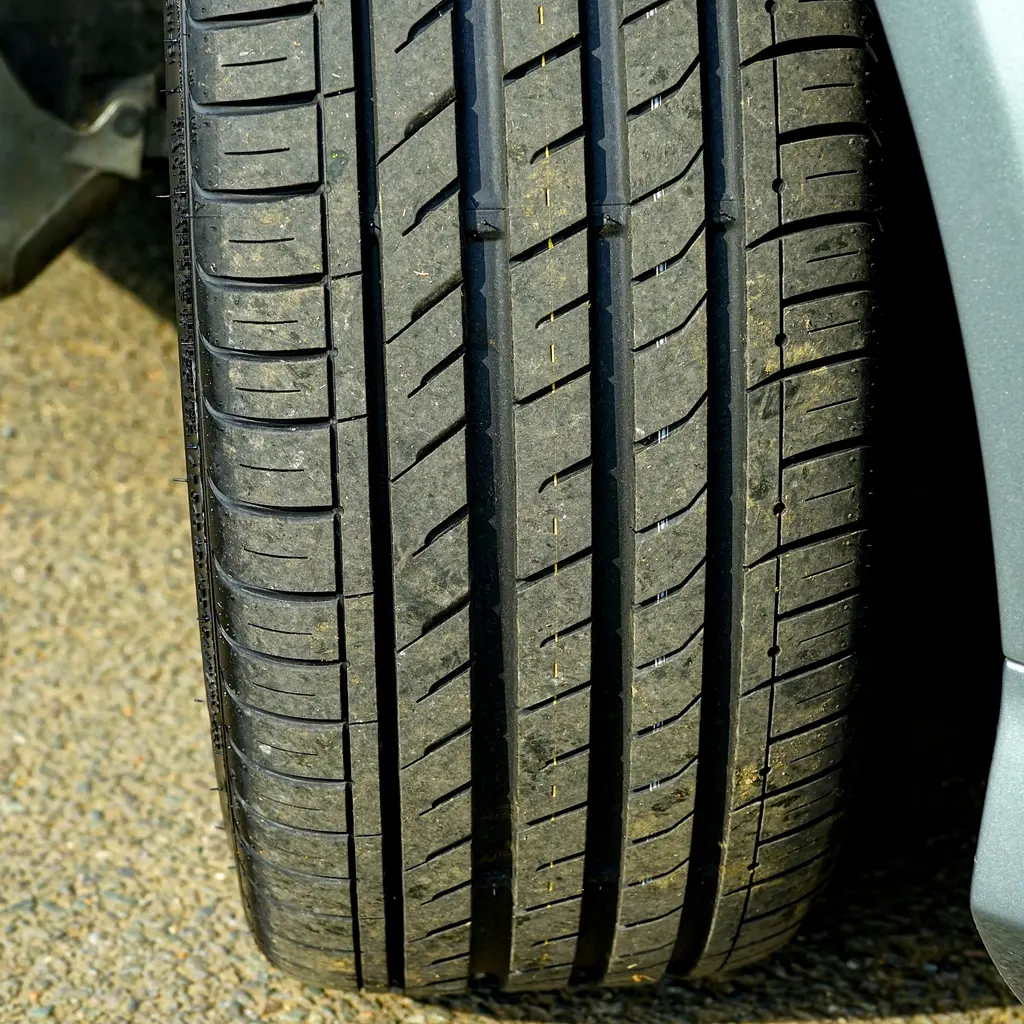
You supply varied tire lines to shops and fleets, maintaining large rack-stored inventory and running local delivery routes. A warehouse fire can create significant environmental cleanup costs and supply interruptions, while tire failure allegations can lead to complex liability claims.
The Southern Agency can review your racking layout and route fleet to help you select appropriate insurance. We can discuss how to coordinate your liability and auto policies, and how to verify if your property coverage includes the specific costs of rubber-fire cleanup.
Large rubber accumulations can produce smoke and difficult fire response, with environmental consequences beyond building damage.
Defect, age, fitment advice, and service facts can affect allegations.
Delivery collisions and counter traffic create different third-party claims.
Bulky lifting can injure staff; seasonal stock and account systems concentrate property/data interests.
Policies to ask about. Which ones fit depends on your operations, your contracts, and the carrier’s forms.
These hypothetical examples are not agency claim results. Whether a loss is covered depends on the facts, policy terms, and applicable exclusions.
A fire destroys rack-stored tires and contaminated runoff reaches neighboring land. Property may help with covered stock and building damage, and purchased income terms with the interruption. Runoff cleanup and third-party pollution claims need their own applicable grants, limits and response arrangements rather than reliance on the fire limit.
A route truck rear-ends another vehicle while carrying tires to a shop. Auto liability may help with covered injury and damage claims involving the other vehicle. Repairing the delivery truck requires selected physical damage, while the tire load and subsequent unloading need separate goods and handling review.
After a crash, a fleet alleges a distributed tire failed and caused injury. Product terms may help with covered defense and damages, depending on the tire category, cause and declared services. Bring age and lot records and any fitment advice; mileage adjustments, own-tire replacement and a recall do not follow automatically from the injury claim.
Start with the work you do and the questions your current policies leave unanswered. Carrier options depend on your location, risk, and underwriting. Explore our approach.
Concentrated rubber stock can spread a difficult fire; configuration and protection matter to underwriting.
Suppliers can face allegations, but the actual products and service scope must fit the form.
Review road use, drivers, and unloading, with cargo and customer-property interests separately assessed.
Suitable transit terms must accept the tires, cause, stops, and handling stages.
Review peak values before seasonal builds; use the policy valuation and any reporting conditions.
Ordering/account data can create privacy and interruption risk, with fraud cover explicitly checked.
Bring your questions, current policies, and relevant contracts. An agent can review coverage terms, exclusions, and the information carriers ask for, then explain the options available to you.