

Client care and supervision failures
A participant may be injured during assistance, supervision or medication support. The duty alleged may be clinical or nonclinical; the service matters more than a premises-versus-care label.
Try a different word, or check the spelling.
A wheelchair transfer can involve personal assistance as well as loading a van. Review who performs each part of the task, rather than assuming a premises or vehicle policy covers it all.
The Southern Agency can review your service roster, staffing and adaptive-transport arrangements against the care and liability terms proposed.
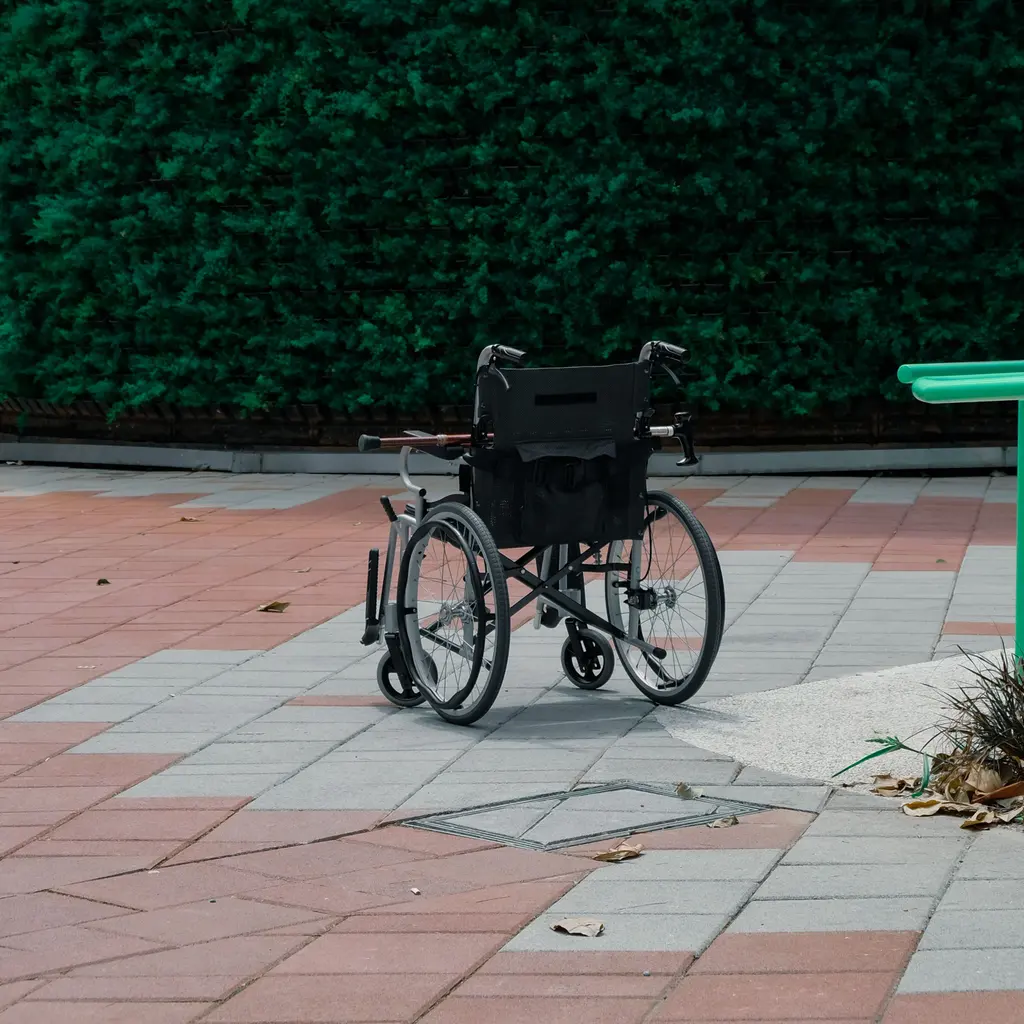
You help people with disabilities take part in day programs, live at home or receive residential support. Assistance can range from daily-living support to therapy, medication help and wheelchair transfers, with different responsibilities for each.
The Southern Agency can review your services, staffing and transport arrangements to help compare insurance. We can distinguish a premises claim from allegations about supervision, hands-on assistance or clinical care, rather than assuming a program name describes everything you do.
A participant may be injured during assistance, supervision or medication support. The duty alleged may be clinical or nonclinical; the service matters more than a premises-versus-care label.
Hands-on or unsupervised support can lead to allegations of abuse, neglect or mistreatment. Ordinary care errors and abuse allegations can have different definitions and insurance terms.
Direct-care staff who lift, transfer, and support clients face strain and injury risk that drives workers' compensation claims.
Transporting clients in wheelchair-equipped vans creates auto and loading-related liability if a participant is injured.
A damaged ramp, obstructed route or faulty adaptive equipment can injure a participant or visitor. Assess the condition and any care or supervision duty; location alone does not settle which liability form applies.
Leaders overseeing Medicaid-waiver programs, grants or service contracts may face allegations about budgets, eligibility or oversight. Routine compliance work and returning disallowed funds differ from covered governance defense.
Policies to ask about. Which ones fit depends on your operations, your contracts, and the carrier’s forms.
These hypothetical examples are not agency claim results. Whether a loss is covered depends on the facts, policy terms, and applicable exclusions.
A participant is hurt while being moved into a wheelchair-equipped van, and their family alleges inadequate assistance. Applicable care or auto terms may address included defense and damages only if the organization, staff, task and loading duties fit. Compare definitions and professional exclusions rather than assuming it is always premises or auto liability; injury alone does not decide fault or abuse protection.
A participant trips over a loose mat in a day-center walkway, and the organization is sued. GL may help with a covered premises claim and defense, but investigate whether the allegation concerns the floor, assistance or supervision. Medical-payments benefits, professional duties and abuse allegations have different terms; the fall or location alone does not establish each benefit.
A direct-support employee injures their back while assisting a participant. Workers compensation may provide covered medical and qualifying wage benefits under the actual employer, work duties and jurisdiction. A contractor or volunteer title does not settle classification, and liability for an injured participant is a separate loss.
Start with the work you do and the questions your current policies leave unanswered. Carrier options depend on your location, risk, and underwriting. Explore our approach.
A fall and a claim about assistance or supervision can involve different duties even in the same room. Professional protection may include accepted nonclinical support as well as clinical work; GL is not a substitute for that review. Compare services, people and exclusions rather than assuming every care allegation is premises liability.
Review actual entity/person and supervision/abuse grants, exclusions, separate limits, defense, prior matters and reporting. A general/professional/D&O title and screening practices alone do not establish abuse cover or insure every alleged perpetrator. Distinguish actual ordinary neglect/care allegations from abuse/misconduct definitions rather than assume one grant covers both.
Establish the actual employer, duties, work states and paid, contractor or volunteer relationship. Then compare covered work-injury medical and wage benefits, employer liability and any volunteer injury terms. A support-worker title or contract label alone does not determine status or protection.
Accepted auto terms may help with covered vehicle liability, but describe actual vans, drivers, lifts, assistance and loading duties. A transfer can raise care and auto questions together; neither label establishes every injury claim. Repairing the van or adaptive equipment and passenger benefits need their applicable terms.
Bring actual waiver, grant and service-contract insurance schedules and entity/service roles for qualified review. Compare requested limits/terms with proposed forms; no automatic compliant or available program is established.
List building, furnishing and adaptive-equipment interests by ownership and any duty to insure for someone else. Compare values and covered physical causes, with portable use or vehicle-mounted equipment reviewed separately. Client property, machinery failure and liability for care are not automatically established by a building limit.
Bring your questions, current policies, and relevant contracts. An agent can review coverage terms, exclusions, and the information carriers ask for, then explain the options available to you.