

Garments
Valuable items can be lost, stolen or damaged in custody.
Try a different word, or check the spelling.
Your pickup route extends custody of a customer's garments beyond the counter and cleaning cycle. Clothing protection should fit the processing, value and transit stages, separately from your truck, machine repairs and any current or former-site solvent conditions.
Talk with The Southern Agency about your operation, policy terms, and the information carriers need.
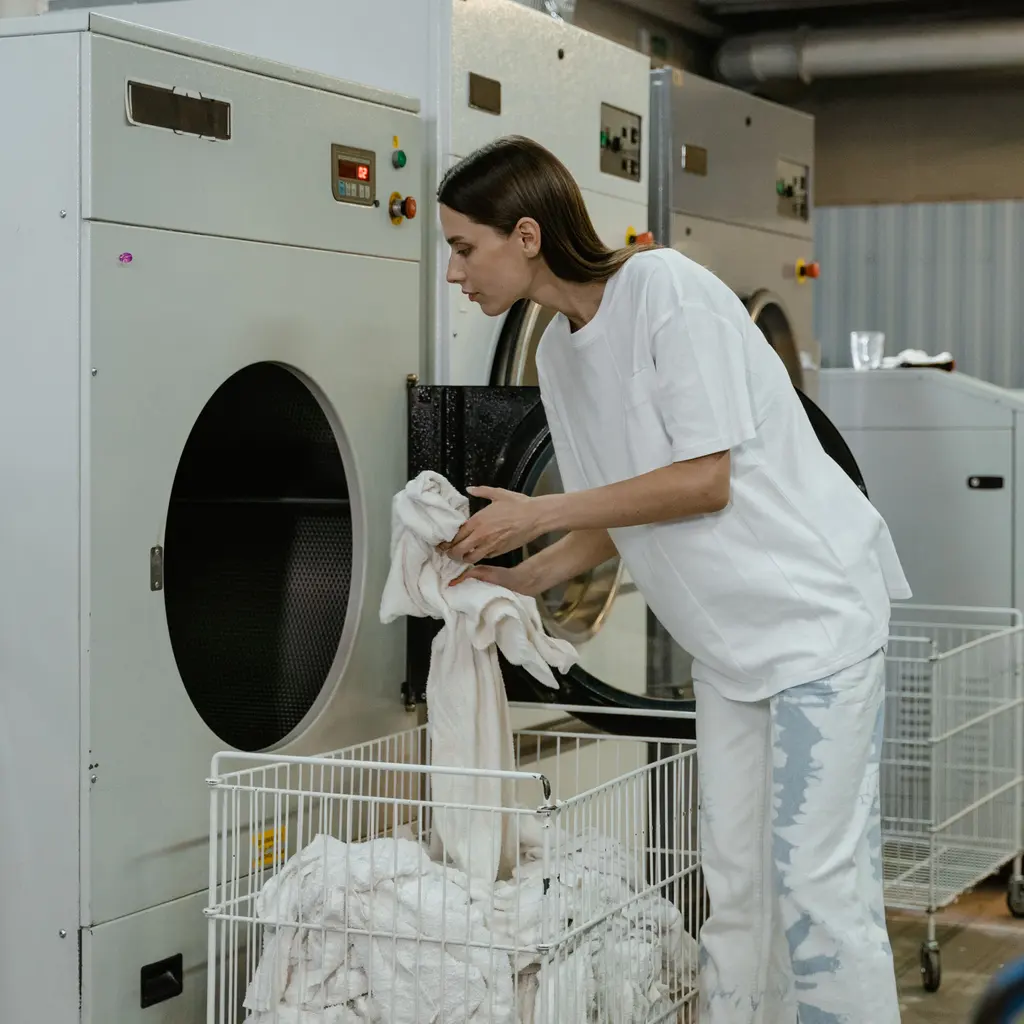
You accept customer garments to process, clean, and return. Damage to clothing during the cleaning cycle or destruction caused by fire at your shop raises specific questions about your custody of customer property.
The Southern Agency can review your cleaning methods, delivery routes and inventory custody. We can help compare your own premises and machinery with the customer-property terms needed throughout collection, cleaning and return.
Valuable items can be lost, stolen or damaged in custody.
Cleaning and pressing can shrink or discolor material.
Chemical properties vary; spills and historical contamination require review.
Boilers and presses can fail or injure staff.
Counter visits and delivery driving create distinct liability interests.
Policies to ask about. Which ones fit depends on your operations, your contracts, and the carrier’s forms.
These hypothetical examples are not agency claim results. Whether a loss is covered depends on the facts, policy terms, and applicable exclusions.
Fire damages your presses and customers' finished orders awaiting collection. Property may address covered damage to your insured plant; applicable customer-property terms may address garments under their own trigger and valuation. Peak garments in custody can exceed your own stock value, so compare both interests rather than one machine limit.
Old solvent contamination is discovered at a leased shop. Environmental terms may address covered remediation or third-party claims only if the site, material and release period fit. Review prior/known conditions, disclosure and reporting; discovering contamination today does not establish when an insured release occurred or who owes the cleanup.
An expensive garment shrinks during cleaning and the customer requests its replacement value. Accepted customer-property terms may address covered processing loss, but exclusions, actual valuation and customer conditions matter. A receipt's stated liability cap is not the insurer's settlement promise or proof of an enforceable limit.
Start with the work you do and the questions your current policies leave unanswered. Carrier options depend on your location, risk, and underwriting. Explore our approach.
Ask how the policy insures customer garments, including theft, processing damage and any pickup/delivery periods. Own-building or ordinary premises liability limits do not by themselves establish those interests; bailee/customer-property forms differ in valuation, exclusions and whether loss or legal liability triggers payment.
Solvent releases can create separate current or historical contamination interests.
Repair and qualifying lost income need applicable breakdown terms.
Delivery vehicles and their garment loads require coordinated auto and bailee review.
Premises, entrusted garments, plant, and pollution are different interests.
Applicable compensation rules and duties govern employee burns or chemical claims.
Bring your questions, current policies, and relevant contracts. An agent can review coverage terms, exclusions, and the information carriers ask for, then explain the options available to you.