

Machinery
Conveyors and presses create caught-in and burn hazards.
Try a different word, or check the spelling.
Your wastewater duties depend partly on the oils and residues that arrive in some textile loads. Environmental and customer-goods protection should fit those materials and processing stages, separately from machine repairs, delivery vehicles or routine treatment upgrades.
Bring actual load types, customer-goods values, process and backup capacity, discharge responsibilities and delivery routes.
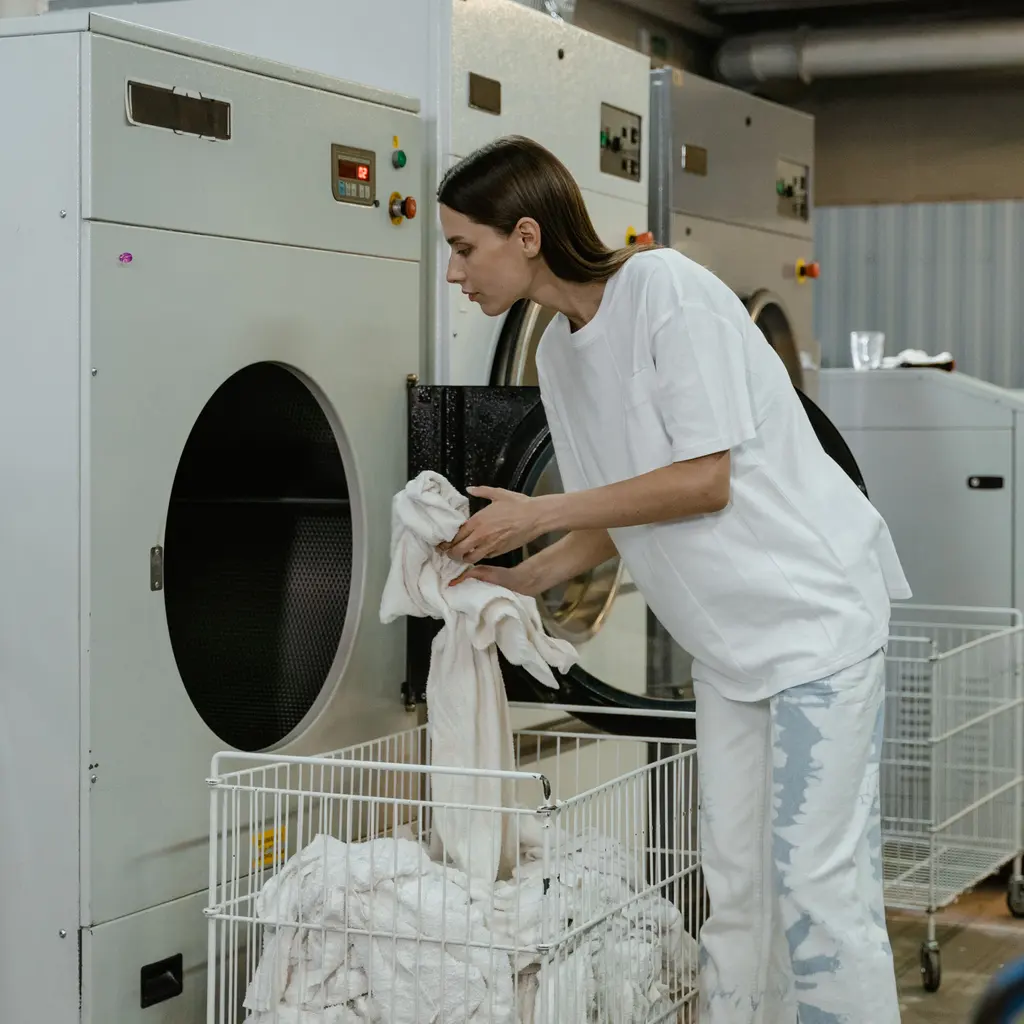
You process high-volume textiles such as uniforms and shop towels, sometimes with oils or other residues arriving in the loads. A failed washer, boiler or conveyor can hold up work across the plant, depending on your actual process and backup capacity.
The Southern Agency can review your plant machinery and wastewater handling to help you choose insurance for your facility and customer goods. We can clarify your responsibilities for customer-owned items and environmental impact.
Conveyors and presses create caught-in and burn hazards.
Washer or boiler failure can interrupt the whole line.
Oils and residues enter with some textile loads.
Lint, dryers, and chemical handling can contribute to damage.
Customer goods move through processing and delivery.
Policies to ask about. Which ones fit depends on your operations, your contracts, and the carrier’s forms.
These hypothetical examples are not agency claim results. Whether a loss is covered depends on the facts, policy terms, and applicable exclusions.
Applicable injury benefits and accepted duties govern response.
If a tunnel washer fails internally, compare the actual machine and cause with breakdown terms. Purchased income or substitute-processing expense needs its own trigger and restoration provisions; continued use of another line affects the loss. A missed customer delivery is not automatically an insured penalty.
A discharge might be alleged to carry contaminants from incoming textiles beyond the plant. Identify the actual residues, treatment and disposal duties and release history under environmental terms. Routine wastewater treatment, required upgrades and every permit fine are not automatically pollution benefits.
Start with the work you do and the questions your current policies leave unanswered. Carrier options depend on your location, risk, and underwriting. Explore our approach.
Plant machinery, workforce, customer custody, and contaminants create a different mix from a retail cleaner.
Qualifying failure differs from wear; repair and income need applicable terms.
Customer goods need express bailee, processing, and transit provisions.
Actual textile residues and discharge arrangements determine environmental interests.
Moving equipment and hot processes require correctly described worker duties.
Vehicles need route and use terms; their loads are a separate property interest.
Bring your questions, current policies, and relevant contracts. An agent can review coverage terms, exclusions, and the information carriers ask for, then explain the options available to you.