

Flawed research findings or design assumptions
Sponsors act on the lab's conclusions, and an erroneous test result or engineering assumption can lead to costly downstream failures and professional liability claims.
Try a different word, or check the spelling.
Your prototype may leave the lab for evaluation before any commercial product is sold. Confirm that the declared research and product activities include that stage, not just later commercial sales.
The Southern Agency can help you review your research stages and laboratory equipment insurance needs.
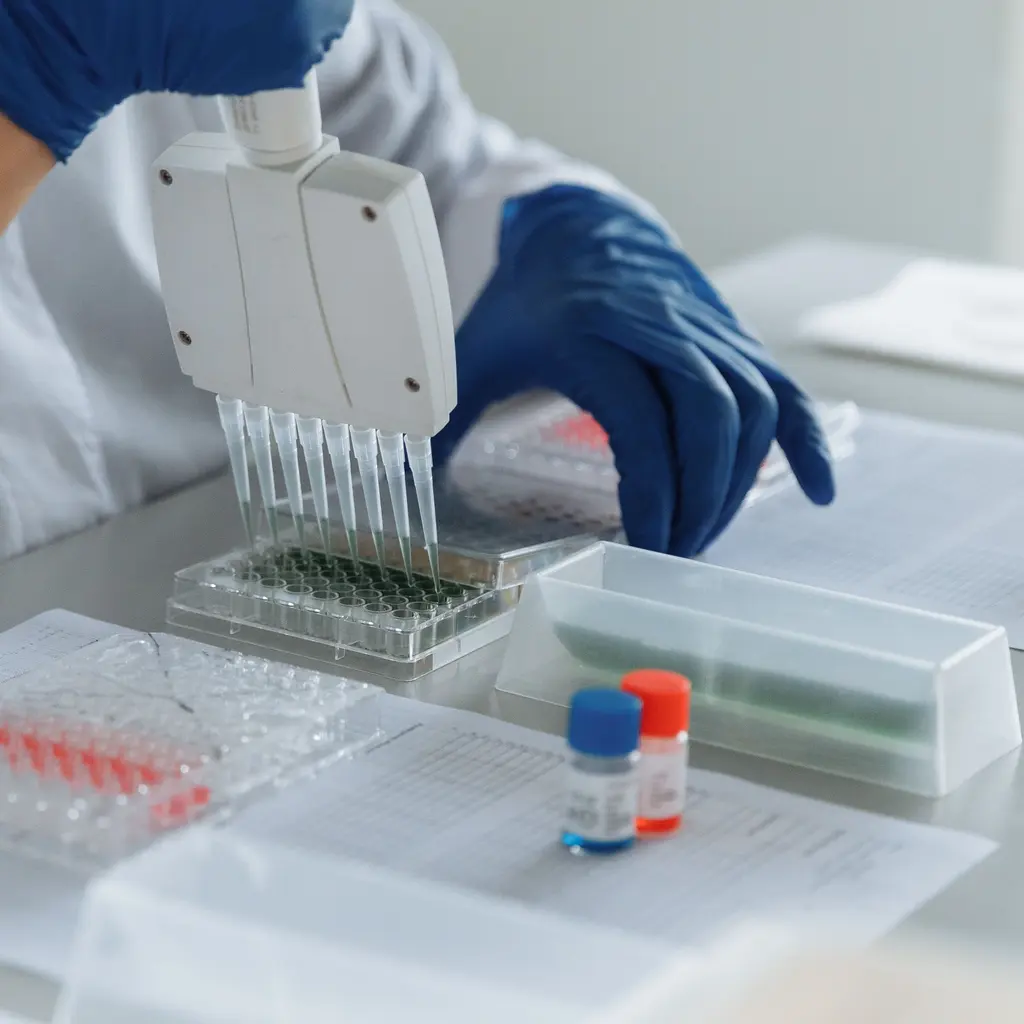
You conduct research, test prototypes, and formulate products for your sponsors. If your research conclusions lead to a claim or a prototype causes harm during evaluation, your business could face significant financial and legal challenges.
The Southern Agency can help you review your experimental research and laboratory equipment to select appropriate insurance, such as professional liability for your technical advice or product liability for your prototypes.
Sponsors act on the lab's conclusions, and an erroneous test result or engineering assumption can lead to costly downstream failures and professional liability claims.
Experimental units or formulations sent out for evaluation may malfunction or cause harm, exposing the lab to product-related claims even before commercialization.
Reagents, solvents, compressed gases, and biological agents create spill, exposure, and pollution risks across lab and storage areas.
Research datasets, lab notebooks and trade secrets can be exposed or stolen, disrupting studies and sponsor obligations. Recreating records is different from recovering their future commercial value.
Spectrometers, sequencers, fume hoods, and analyzers represent major capital, and a failure or fire can halt active studies.
Staff working with chemicals, sharps, electrical rigs, and pilot equipment face burns, exposure, and laceration risks during routine experiments.
Cold storage, autoclaves, and precision instruments can fail mechanically or electrically, spoiling samples and interrupting time-sensitive research.
Policies to ask about. Which ones fit depends on your operations, your contracts, and the carrier’s forms.
These hypothetical examples are not agency claim results. Whether a loss is covered depends on the facts, policy terms, and applicable exclusions.
A sponsor alleges that a flawed laboratory conclusion led to a failed product launch and seeks damages. Professional liability coverage may respond to defense and settlement costs, depending on policy terms and the facts. Check declared research services and exclusions; a failed launch or promised result does not itself establish negligence or damages cover.
A solvent container ruptures and contaminates a lab area, triggering cleanup obligations. An environmental policy may respond to remediation costs, subject to the specific policy, endorsements, and exclusions. Review location, contaminant, cleanup trigger, and reporting; laboratory cleanup and third-party pollution liability may differ.
An ultra-low freezer fails overnight and destroys irreplaceable biological samples. Equipment breakdown coverage may help with the loss and restoration, depending on policy terms. Check sample inclusion/valuation and a covered event; irreplaceability does not establish reimbursement of future development value.
Start with the work you do and the questions your current policies leave unanswered. Carrier options depend on your location, risk, and underwriting. Explore our approach.
Sponsors may claim that research findings caused them a financial loss, while a prototype or sample sent for evaluation could injure someone. Professional and product liability address these different risks. The right combination depends on your research, what leaves the lab and the policies' terms.
If the lab handles solvents, gases, or biological agents, environmental liability may help with spill and contamination costs that general liability often excludes, depending on policy terms.
Cyber liability may help with breach response and liability if datasets, notebooks, or sponsor information are exposed or stolen. Coverage depends on the specific policy and controls in place.
Equipment breakdown coverage may respond when freezers, autoclaves, or analyzers fail mechanically or electrically, helping with repair and spoiled samples, subject to policy terms.
Workers compensation may provide eligible medical and wage benefits for qualifying technician injuries. Describe chemical, sharps and experimental-equipment duties and actual employers. Applicable state rules and employment facts govern legal requirements; underwriting is a separate question.
Research and development agreements frequently specify coverage types and minimum limits. Aligning a program with those requirements depends on underwriting.
Bring your questions, current policies, and relevant contracts. An agent can review coverage terms, exclusions, and the information carriers ask for, then explain the options available to you.