

Pollution and contamination events
Handling chemical and biological materials creates exposure to spills, releases, or contamination that can harm people, property, or the environment. Some research also involves radioactive materials.
Try a different word, or check the spelling.
Repairing a freezer does not recreate the sample that was lost. Review sample valuation as well as equipment repairs before relying on a laboratory property limit.
The Southern Agency can help you review coverage for your research samples, laboratory equipment, and professional testing work.
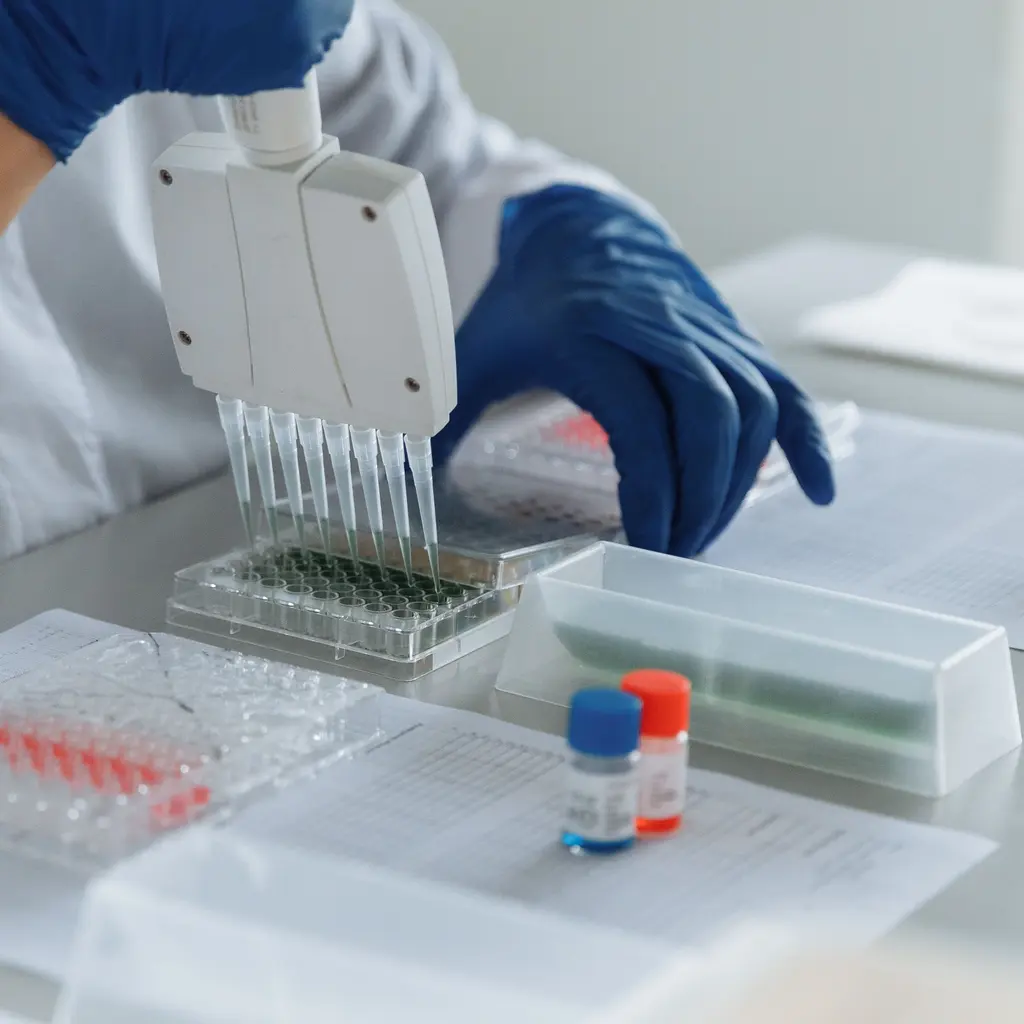
You develop specialized compounds and study biological materials that require precision and long-term storage. If a refrigeration unit fails or a lab incident leads to contamination, you may face significant research losses or environmental liability.
The Southern Agency can help you review your laboratory operations and research stages to select appropriate insurance, such as equipment breakdown for your specialized instruments or product liability for your research outputs.
Handling chemical and biological materials creates exposure to spills, releases, or contamination that can harm people, property, or the environment. Some research also involves radioactive materials.
Failure of freezers, incubators, or HVAC can destroy samples and ruin long-running experiments that are costly or impossible to recreate. Sequencers and centrifuges are other valuable instruments that can fail.
Theft of proprietary research data or intellectual property can compromise years of work and the firm's ability to commercialize a discovery.
Errors in study design, testing, or analysis can lead to claims from partners, sponsors, or downstream users relying on the results.
As compounds or devices move toward application, claims can arise from alleged harm tied to a developed product or sample.
Scientists and technicians handling hazardous agents can suffer work injuries or exposure-related illness. Identify their employers and duties when reviewing workforce benefits and obligations.
Policies to ask about. Which ones fit depends on your operations, your contracts, and the carrier’s forms.
These hypothetical examples are not agency claim results. Whether a loss is covered depends on the facts, policy terms, and applicable exclusions.
A controlled-temperature freezer fails overnight and biological samples are lost. Breakdown may address insured repairs and included spoilage benefits. Confirm the cause, sample acceptance and valuation; repairing the freezer or paying a stock value does not reimburse every scientific or future commercial loss.
A hazardous-material spill requires cleanup and exposes a third party. Environmental terms may address covered remediation and resulting claims if the location, substance, trigger and reporting fit. Ordinary property or GL does not itself establish pollution protection.
Attackers exfiltrate proprietary research files. Cyber may address covered forensic, notification or liability costs for included data and expenses. Investigation and restoration differ from the lost competitive or licensing value of the discovery.
Start with the work you do and the questions your current policies leave unanswered. Carrier options depend on your location, risk, and underwriting. Explore our approach.
Labs handle hazardous chemical and biological materials, so a spill or release can require cleanup and harm third parties. Environmental liability may respond to those costs, subject to policy terms and underwriting.
Standard property may not address spoilage from equipment failure. Equipment breakdown coverage may help with both repairs and the loss of temperature-sensitive samples, depending on the specific policy.
As compounds or devices move toward application, product liability becomes increasingly relevant for claims of harm tied to a developed product, subject to policy terms and underwriting.
Cyber coverage may help with breach response and liability if proprietary research data is stolen or exposed, depending on the specific policy, endorsements, and exclusions.
Bring the actual investor or grant insurance schedule with the research scope. Compare its entities, limits and required activities with offered terms and endorsements. A certificate does not establish every requested grant, and an investor request does not guarantee that clinical or other specialized protection is available.
Workers' compensation commonly responds to work-related injury or illness, including exposure events for scientists and technicians, subject to state rules and policy terms.
Bring your questions, current policies, and relevant contracts. An agent can review coverage terms, exclusions, and the information carriers ask for, then explain the options available to you.