

Specialized equipment breakdown
Failure of electron microscopes, deposition tools, or cleanroom systems can halt experiments and damage in-process samples and materials.
Try a different word, or check the spelling.
Your research material can leave the lab long before it reaches the market. Describe that handoff so the insurance review considers its composition, use and development stage.
The Southern Agency can help you protect your specialized laboratory equipment and address the risks of handling experimental materials.
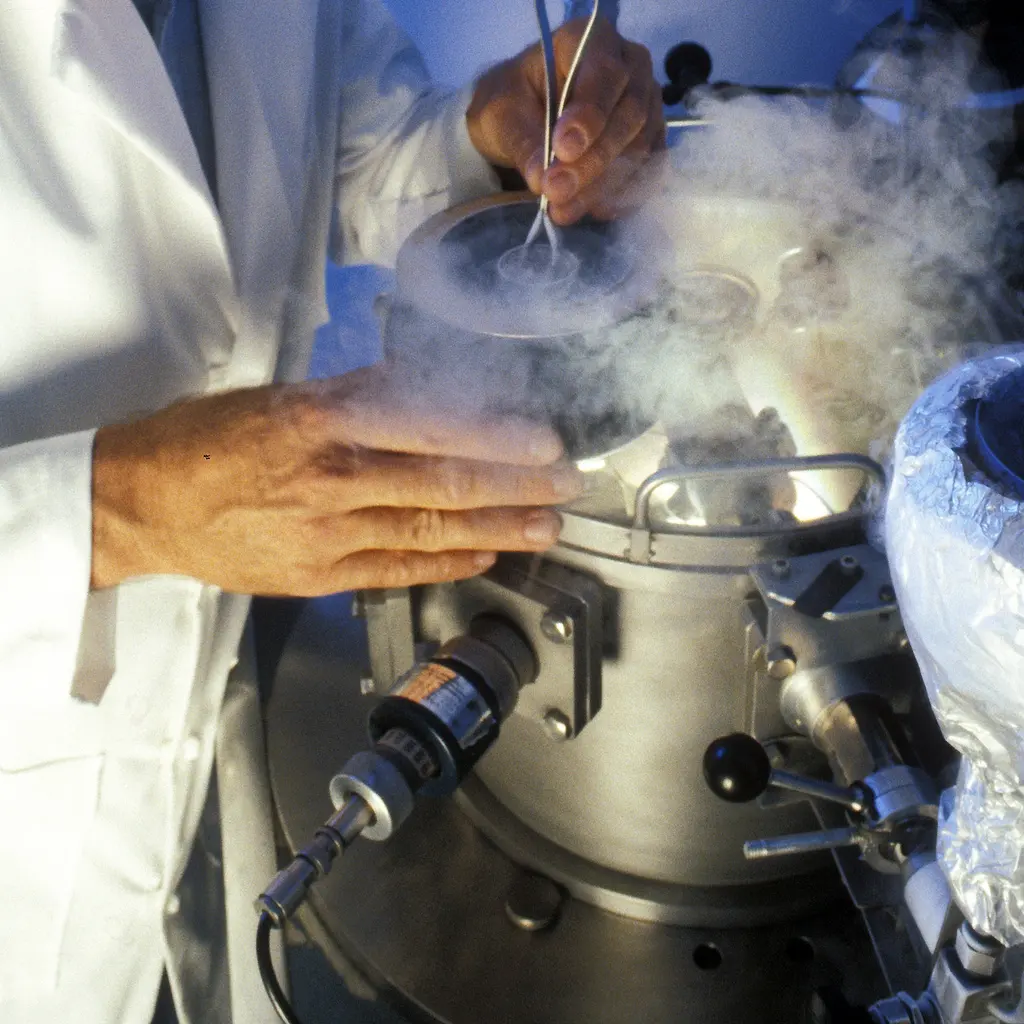
Your research firm relies on expensive instruments and cleanrooms to develop materials, where a sudden equipment breakdown can destroy sensitive samples. Lab operations involving chemicals or nanomaterials also create unique safety and cleanup concerns.
The Southern Agency can review your laboratory and research protocols to help select appropriate insurance. For example, we can examine equipment breakdown coverage for your microscopes while helping you identify environmental liability for potential material releases.
Failure of electron microscopes, deposition tools, or cleanroom systems can halt experiments and damage in-process samples and materials.
Handling engineered nanoparticles and lab chemicals creates potential environmental release and bodily-injury exposure under evolving science.
Cryogenic systems, high-voltage instruments, and reactive chemicals expose laboratory staff to occupational injury.
Clients or partners may claim that research conclusions or characterization data were inaccurate, causing downstream losses.
A developed nanomaterial later incorporated into a product could be alleged to cause harm or fail to perform.
Loss or theft of proprietary formulations and research data can be financially devastating and may trigger contractual liability.
Policies to ask about. Which ones fit depends on your operations, your contracts, and the carrier’s forms.
These hypothetical examples are not agency claim results. Whether a loss is covered depends on the facts, policy terms, and applicable exclusions.
A power event damages an electron microscope and samples in progress. Property or breakdown may address insured instrument damage under the applicable cause and valuation terms. Sample reproduction and lost research opportunity are separate questions, not automatic additions to the repair bill.
A chemical spill requires containment and cleanup. Environmental terms may address a covered release involving accepted substances and locations. Review the cleanup trigger, reporting deadlines and any known or earlier condition separately from third-party liability.
A client alleges inaccurate material analysis caused a failed product run. Professional liability may address covered defense and damages for accepted characterization services. Contract and guarantee exclusions still matter; failed product performance alone does not establish negligence.
Start with the work you do and the questions your current policies leave unanswered. Carrier options depend on your location, risk, and underwriting. Explore our approach.
Handling engineered nanomaterials and chemicals creates potential release and exposure under still-evolving science. Environmental liability may help respond to cleanup and claims, subject to policy terms.
Property insurance may cover damage from causes such as fire, while equipment breakdown may cover sudden internal failure of instruments and systems. The policies' definitions and exclusions determine which losses they cover. They can complement each other, but repair costs, spoiled samples, and interrupted research may have different limits.
If your developed materials are later commercialized, product-related allegations can reach back to your firm. Product liability may help, depending on the policy, endorsements, and the facts.
Workers' compensation commonly responds to work-related injuries from chemicals, high-voltage equipment, and cryogenic systems. Specific coverage depends on your policy and state requirements.
Property and cyber arrangements may help with damage to systems, data recovery, and breach costs. They do not automatically replace the commercial value of a stolen formulation. Internal security controls remain important, and the policies determine which expenses are covered.
Bring each grant or partnership's actual insurance schedule and agreements. Compare requested limits and insured parties with accepted services, materials and endorsements. A requested limit does not itself establish that the sponsor's reimbursement or performance promises are insured.
Bring your questions, current policies, and relevant contracts. An agent can review coverage terms, exclusions, and the information carriers ask for, then explain the options available to you.