

Location use
Crews can drop gear or expose it to weather.
Try a different word, or check the spelling.
Your camera kit can pass through several crews and locations while a production controls the shoot. Rental-gear protection needs those handoffs and the territory, without treating an unreturned kit as ordinary theft or assuming delivery-vehicle insurance covers its load.
Bring serials and values, peak kits away, production territories, shipment handoffs and actual renter insurance or loss-payee requests.
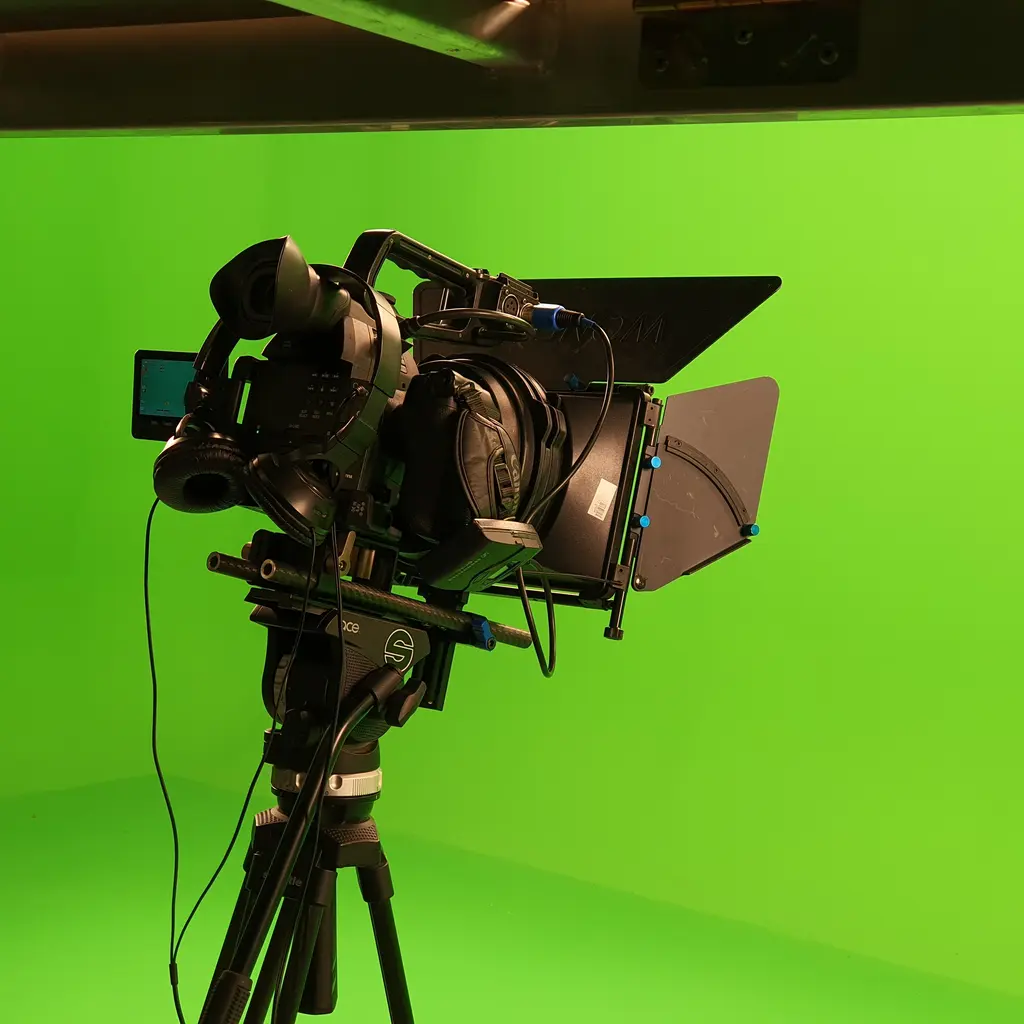
You supply cameras, lenses, and lighting for productions you do not control. A dropped camera can stop a rental, while theft of a kit can remove several valuable items at once.
The Southern Agency can review your rental agreements and equipment schedules to help you select appropriate insurance. For example, we can address how your inland marine coverage protects equipment at remote shoot locations versus how it covers transit and non-return risks.
Crews can drop gear or expose it to weather.
Compact items can disappear from sets or vehicles.
Multiple handoffs create transit risk.
Non-return and ordinary theft may receive different treatment.
Prep work and booking records create separate interests.
Policies to ask about. Which ones fit depends on your operations, your contracts, and the carrier’s forms.
These hypothetical examples are not agency claim results. Whether a loss is covered depends on the facts, policy terms, and applicable exclusions.
A production crew could drop a rented camera body on set. Check accepted rented-out use, accidental damage, territory, serials and valuation against the equipment terms. The production's delays, a replacement rental promise and repair of the body are different losses, not automatic benefits from listing the camera.
A lens kit could be stolen from a production van between locations. Review actual custody, unattended-vehicle security, theft evidence, item values and applicable limits. The van's auto policy or the production's certificate does not itself establish payment for your lenses.
Cause and outdoor-use exclusions determine possible payment.
Start with the work you do and the questions your current policies leave unanswered. Carrier options depend on your location, risk, and underwriting. Explore our approach.
Off-site gear needs accepted production use, territories, and perils.
Theft depends on storage, security, and relevant vehicle conditions.
Individual schedules or other agreed reporting methods should match values and policy requirements.
Confirm which party needs evidence and which endorsements apply; do not promise an automatic certificate or coverage change.
Booking and payment data create response and privacy interests.
Employee duties and applicable rules govern benefits for handling injuries.
Bring your questions, current policies, and relevant contracts. An agent can review coverage terms, exclusions, and the information carriers ask for, then explain the options available to you.