

Damage to rented property
Rental assets can be damaged, lost, or stolen while in customer hands.
Try a different word, or check the spelling.
What happens after a rental leaves your premises still depends on maintenance, delivery, and the agreement with the customer. Your protection should follow the actual asset and handoffs, rather than assume the renter takes on every cost.
The Southern Agency can help you review coverage for your rental fleet and business liabilities.
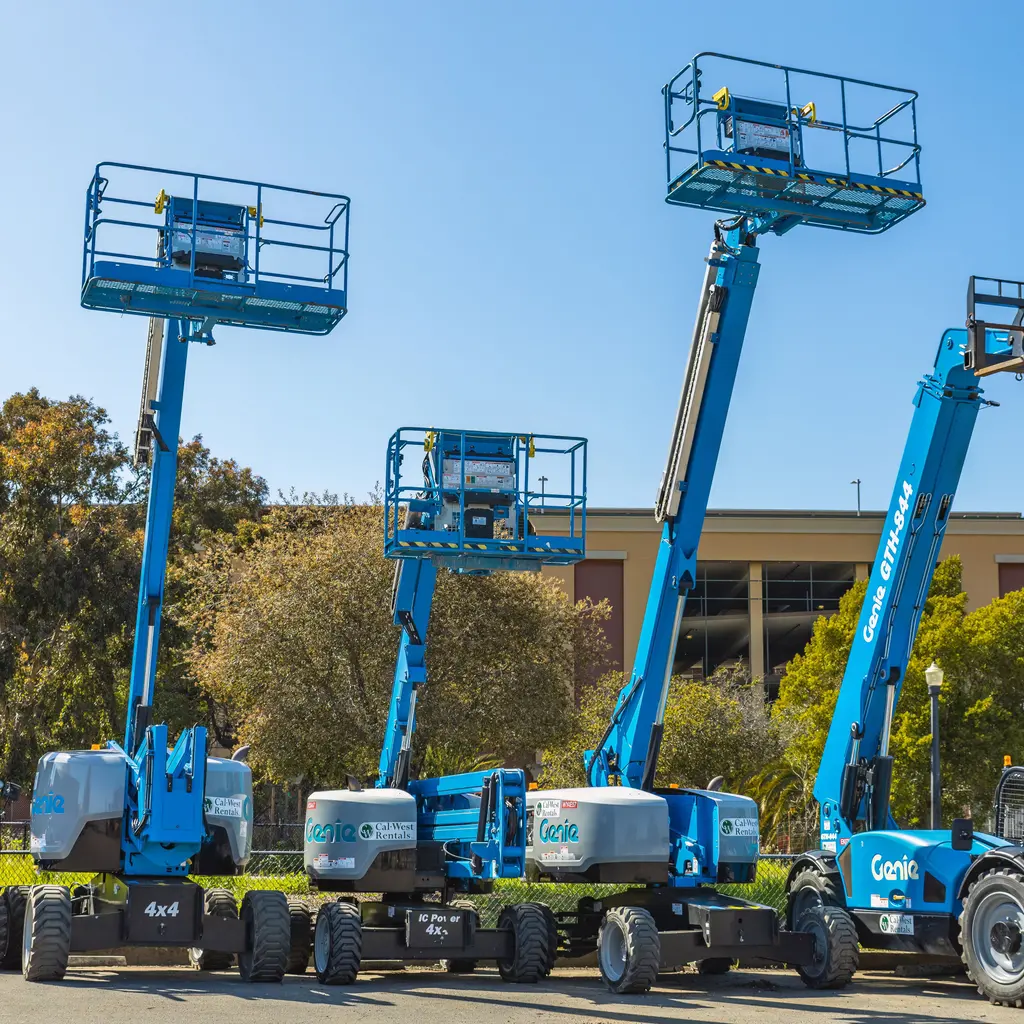
You supply assets for customers to use, whether that means equipment, vehicles, or other rental property. Damage away from your premises and an accident during use can create different costs for your business and the renter.
The Southern Agency can review what you rent and how it is delivered, used, and returned to help you choose insurance. We can discuss property protection at accepted locations alongside rental-related liability, with renter responsibilities considered under the actual agreement.
Choose your business type to discuss insurance with The Southern Agency. If it isn’t listed, call an agent to ask whether we can place it.
Rental assets can be damaged, lost, or stolen while in customer hands.
Equipment that malfunctions or is misused can cause injury or damage.
Failure to properly maintain rental assets can lead to claims.
Yards and storage areas create property and injury exposure.
Delivering and collecting assets creates auto and transit exposure.
A large rental fleet represents substantial property value to protect.
Policies to ask about. Which ones fit depends on your operations, your contracts, and the carrier’s forms.
These hypothetical examples are not agency claim results. Whether a loss is covered depends on the facts, policy terms, and applicable exclusions.
Rented equipment is damaged while in a customer's possession. Inland marine coverage may help, subject to policy terms and the rental agreement.
A customer is injured using rented equipment that allegedly malfunctioned. General liability may help respond, subject to terms.
A storm damages assets in the rental yard. Property coverage may help with repair and replacement, subject to terms.
Start with the work you do and the questions your current policies leave unanswered. Carrier options depend on your location, risk, and underwriting. Explore our approach.
Review the rental agreement, damage waiver, and applicable insurance separately. A customer's contractual responsibility does not establish coverage under either party's policy.
Review the insured rental activities and exclusions for the item and its use. Road vehicles, operated machinery, setup, and product injury can raise different questions.
Nonvehicle rental equipment may fit a rented-out equipment or inland marine form. Car, truck, RV and other road-vehicle fleets need rental-specific auto liability and physical-damage review; mobility alone does not determine the policy.
Identify owned, hired and employee vehicles and who handles loading, setup and collection. Vehicle liability, goods in transit, and damage during setup need separate attention.
Allegations of negligent maintenance or instructions can follow an injury. Describe inspection and repair responsibilities, but do not treat maintenance records as a guarantee of liability coverage.
Bring your questions, current policies, and relevant contracts. An agent can review coverage terms, exclusions, and the information carriers ask for, then explain the options available to you.