

Multi-department customer injuries
Escalators, fitting rooms, beauty counters, and crowded selling floors create varied slip-and-fall and injury exposure across departments.
Try a different word, or check the spelling.
At your returns desk, merchandise, cash and store-credit records meet without sharing the same theft or data terms. Department-specific protection should fit those values and handlers, while beauty services, cafe activity, and staff disputes need their own attention.
The Southern Agency can help you align your property and liability protection with your store's diverse departments and service operations.
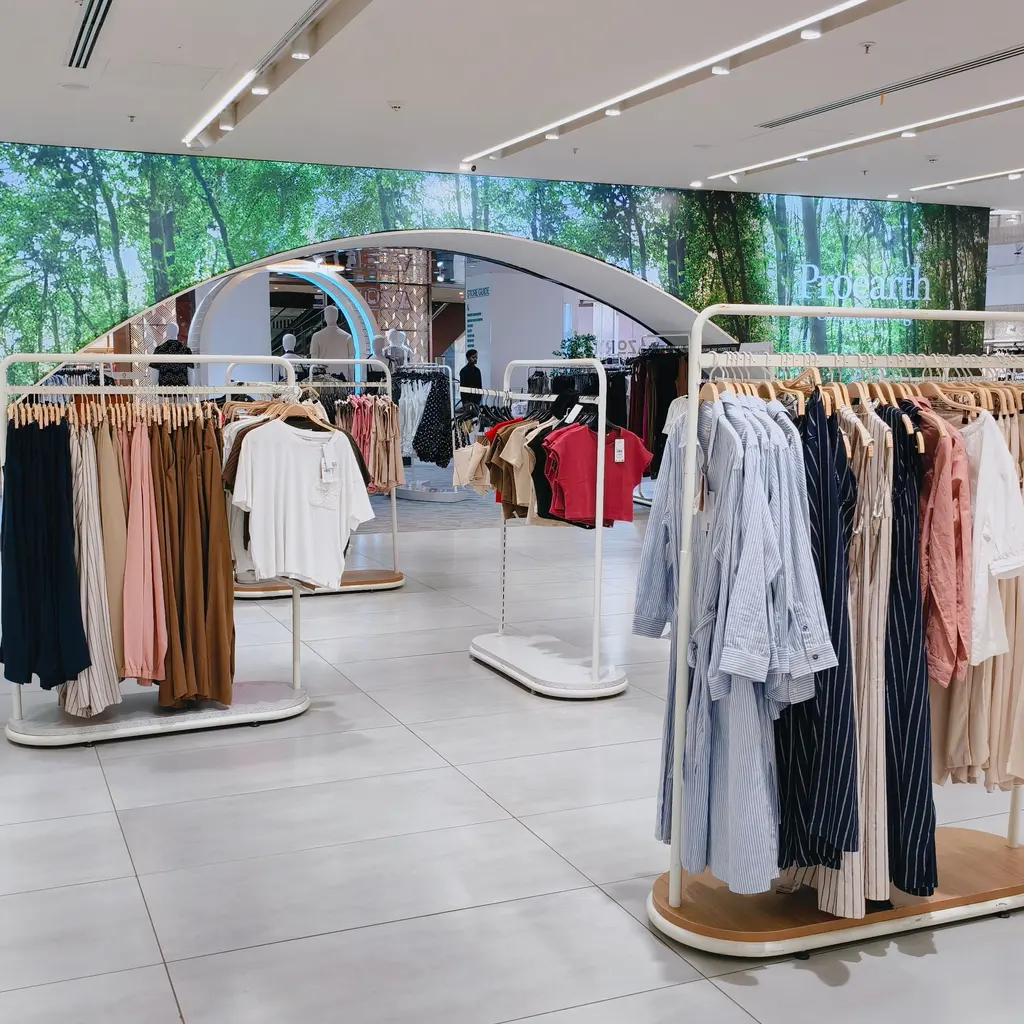
You manage a department store that brings together varied goods like clothing, jewelry, and cosmetics. Because you have high volumes of staff and shoppers moving across multiple departments and service areas, a single accident or property event can disrupt your entire operation.
The Southern Agency can review your specific layout, staffing, and retail services to help you select appropriate insurance. For example, we can examine how your liability coverage applies to incidents in fitting rooms versus a cafe.
Escalators, fitting rooms, beauty counters, and crowded selling floors create varied slip-and-fall and injury exposure across departments.
Sampling cosmetics and fragrances can cause allergic or skin reactions, leading to liability claims tied to products applied in store.
Small, valuable jewelry and luxury pieces can be concealed or taken from counters by shoppers or staff, causing stock loss.
A large staff handling cash, returns, and high-value goods raises the risk of internal theft and fraud.
Store credit accounts and card transactions create cyber and PCI exposure if customer data is compromised.
Sales, stocking, and service staff face work injuries. The business may also face allegations of discrimination, harassment or wrongful termination.
Fire, water, or storm damage to a multi-floor store can close departments and interrupt revenue across the operation.
Policies to ask about. Which ones fit depends on your operations, your contracts, and the carrier’s forms.
These hypothetical examples are not agency claim results. Whether a loss is covered depends on the facts, policy terms, and applicable exclusions.
Suppose a customer suffers a skin reaction after sampling a product at the beauty counter and brings a claim. Applicable general/product liability coverage may help with covered defense and injury damages, including medical costs the store is legally liable to pay. The product, tester handling, any staff application, and the actual insured operator matter; a service-related injury may involve professional-service terms or exclusions.
Suppose the store discovers an employee has stolen jewelry merchandise over time. Purchased employee-theft coverage may help reimburse the documented covered stock loss if that merchandise and person fall within the policy. Jewelry valuation, reporting requirements, applicable periods, and limits matter; an unexplained shortage alone is not proof of the same event.
Suppose a shopper is injured on an escalator between selling floors and the store faces a claim. General liability coverage may help with covered defense and damages, depending on the incident, liability, exclusions, and limits. Maintenance and incident records help establish what happened, without guaranteeing coverage; any medical-payments benefit has separate conditions.
Start with the work you do and the questions your current policies leave unanswered. Carrier options depend on your location, risk, and underwriting. Explore our approach.
Start with a department and operator list: products sold, services performed, who employs the staff and who owns the premises and stock. Compare that list with property, liability, crime, data, and workforce terms, including any specialist service or jewelry protection. A policy name or one certificate does not confirm every department and separate operator is insured.
Applicable general/product liability may help with a covered claim alleging the product or sampling caused injury. Review testers, staff applications, brands, imports, and private-label goods, along with the actual insured operator and any professional-service exclusion. Product liability may be part of general liability, while recall or refund costs are separate from liability for alleged harm.
Purchased employee-theft coverage may help with covered merchandise or money losses, including some register schemes. Check the employee and property definitions, jewelry terms, valuation, reporting, and limits. A fraudulent return, customer shoplifting or ordinary stock discrepancy is not automatically the same insured event.
They can involve personal, account, and payment information held by the store or providers. Describe the actual data and access arrangements. Cyber coverage may help with defined response costs and covered privacy claims after an insured event, subject to reporting, retention, and limits. PCI assessments, lost account balances, and processor demands need their own coverage review.
Assess the actual workforce, prior claims and existing coverage for discrimination, harassment and wrongful termination. EPLI may help with covered defense and settlements, subject to insured-party, reporting, retention, and exclusion terms. Wage-and-hour disputes may be excluded or have specifically purchased, limited defense coverage; that does not fund owed wages or wage settlements.
Purchased business income coverage may help with qualifying income loss and continuing expenses when its required covered physical damage suspends operations. A partial closure still needs the policy's trigger, income calculation, limits, waiting, and restoration periods checked. Keep records for the affected departments and continuing sales and expenses; every missed sale or precautionary closure is not automatically covered.
Bring your questions, current policies, and relevant contracts. An agent can review coverage terms, exclusions, and the information carriers ask for, then explain the options available to you.