

Tool rental product exposure
A malfunctioning or poorly maintained rental tool, inadequate instructions or alleged misuse can lead to an injury claim. The incident alone does not establish the center's fault.
Try a different word, or check the spelling.
Referring an installer does not always end your part in a customer's project. Review what your center promises, who contracts for the work and which services the policy accepts.
The Southern Agency can help you protect your facility and manage liability across your diverse retail and rental operations.
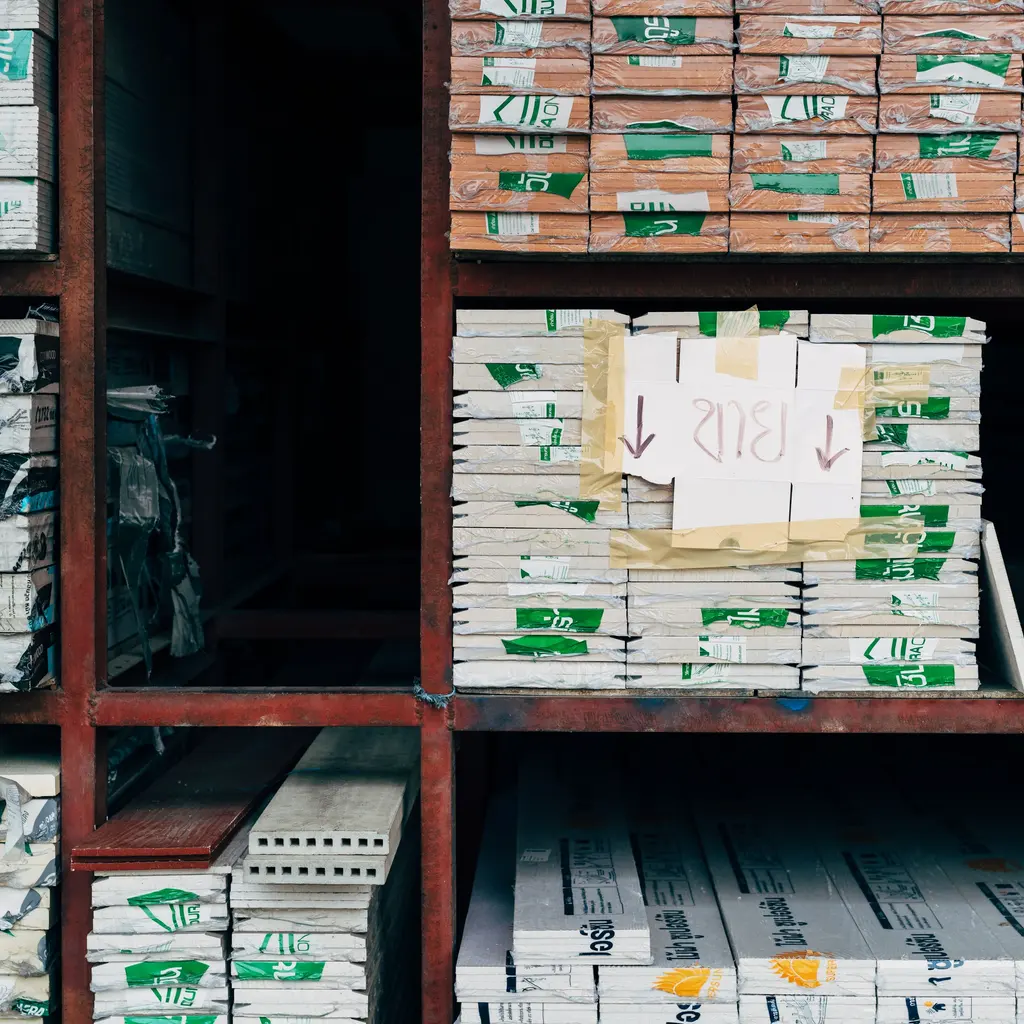
You sell heavy building materials and may also rent tools or arrange contractor services. An injury at a cutting station or a fire spreading through stock can interrupt sales and bring claims from the tradespeople and homeowners you serve.
The Southern Agency can review your equipment rental activities and contractor arrangements to help select appropriate insurance. For example, we can discuss product liability for rented tools alongside umbrella liability for your center.
A malfunctioning or poorly maintained rental tool, inadequate instructions or alleged misuse can lead to an injury claim. The incident alone does not establish the center's fault.
Arranging installs through third-party contractors can draw the center into disputes over faulty workmanship or jobsite injuries.
Propane exchange cages and stored paints, solvents, and pesticides create fire and pollution exposure on the premises.
Heavy carts, overhead stock, and in-store cutting stations raise the chance of trips, struck-by, and laceration claims.
Payment systems, transaction volume, and any stored customer accounts create breach-response and privacy risks. Card-network demands depend on the actual agreement and event.
Staff who load lumber, operate saws, and stock heavy goods face strain and laceration risk that drives workers' compensation claims.
Large, varied inventory concentrates fire loss potential and presents ongoing shrinkage and theft challenges.
Policies to ask about. Which ones fit depends on your operations, your contracts, and the carrier’s forms.
These hypothetical examples are not agency claim results. Whether a loss is covered depends on the facts, policy terms, and applicable exclusions.
A rented saw malfunctions and injures a customer at home. Accepted product or general liability terms may address covered defense and damages. Maintenance, instructions and rental exclusions matter; injury alone does not establish fault, and repairing the center's saw is a separate property question.
A checkout-system breach exposes payment-card information. Cyber may address approved forensics, notification and covered privacy claims after a qualifying event. Compare store and processor duties, reporting, retentions, consent and limits; card-network charges need their own terms.
A fire near stored solvents damages the paint department. Property may address covered stock and fixture damage, with purchased income for a qualifying interruption within waiting, restoration and limit terms. Establish the ignition cause and actual closure; proximity to solvents does not prove either.
Start with the work you do and the questions your current policies leave unanswered. Carrier options depend on your location, risk, and underwriting. Explore our approach.
Check two different questions: liability for alleged harm from a rental tool, and physical loss to the tool itself. Accepted product/general liability may address covered injury or other property damage. Repair, theft, nonreturn and off-site damage to the center's own tools require their actual property/rental terms. Describe maintenance, instructions, users, and rental locations.
A customer may name the center in a dispute, but liability depends on its actual role, representations, contract, and applicable law. Explain whether you only introduce a contractor or sell, supervise, or subcontract the work. Review insured activities, contractor/contractual/professional exclusions and completed-work terms; paying to correct poor work and resulting injury/property damages are different demands.
Identify the data and systems held by the store and its processor, not just the number of registers. Cyber terms may fund approved response work and covered privacy claims after a defined event. Compare PCI assessments, fraud, provider interruption, reporting, and retention provisions separately; buying a policy is not a PCI-compliance determination.
Describe the operator, cylinders/quantities, storage, customer access, and contractual responsibilities. Review accepted property and liability operations plus pollution, fire, and cleanup provisions. A property fire benefit does not by itself establish spill remediation or every propane liability claim, and this insurance review is not a storage-code compliance ruling.
Equipment breakdown may help with an accepted machine after a defined accident or applicable purchased electronic impairment. Routine servicing, worn-part replacement and resetting software are different from a qualifying breakdown; resulting-loss provisions still need review. Income or extra-expense recovery requires the relevant purchased benefit and qualifying interruption, not merely an unfinished order.
Compare the proposed package's accepted services, property values, locations, liability limits, and included versus separate benefits. Describe rental tools, cutting, mixing, propane, and installation arrangements in the application. The actual offer and endorsements determine which activities qualify and which benefits are combined or purchased separately.
Bring your questions, current policies, and relevant contracts. An agent can review coverage terms, exclusions, and the information carriers ask for, then explain the options available to you.