

Injury to young customers on the floor
Toddlers and children moving quickly near fixtures, mirrors, and displays raise the chance of falls, tip-overs, and bumped-shelf injuries.
Try a different word, or check the spelling.
A full run of sizes can tie up stock value just before back-to-school demand arrives. Your property protection should account for that peak, while garment-injury claims, recalls and refunds remain different questions from keeping the right outfits on the shelves.
The Southern Agency can help you review your children's apparel lines and busy-season stock values.
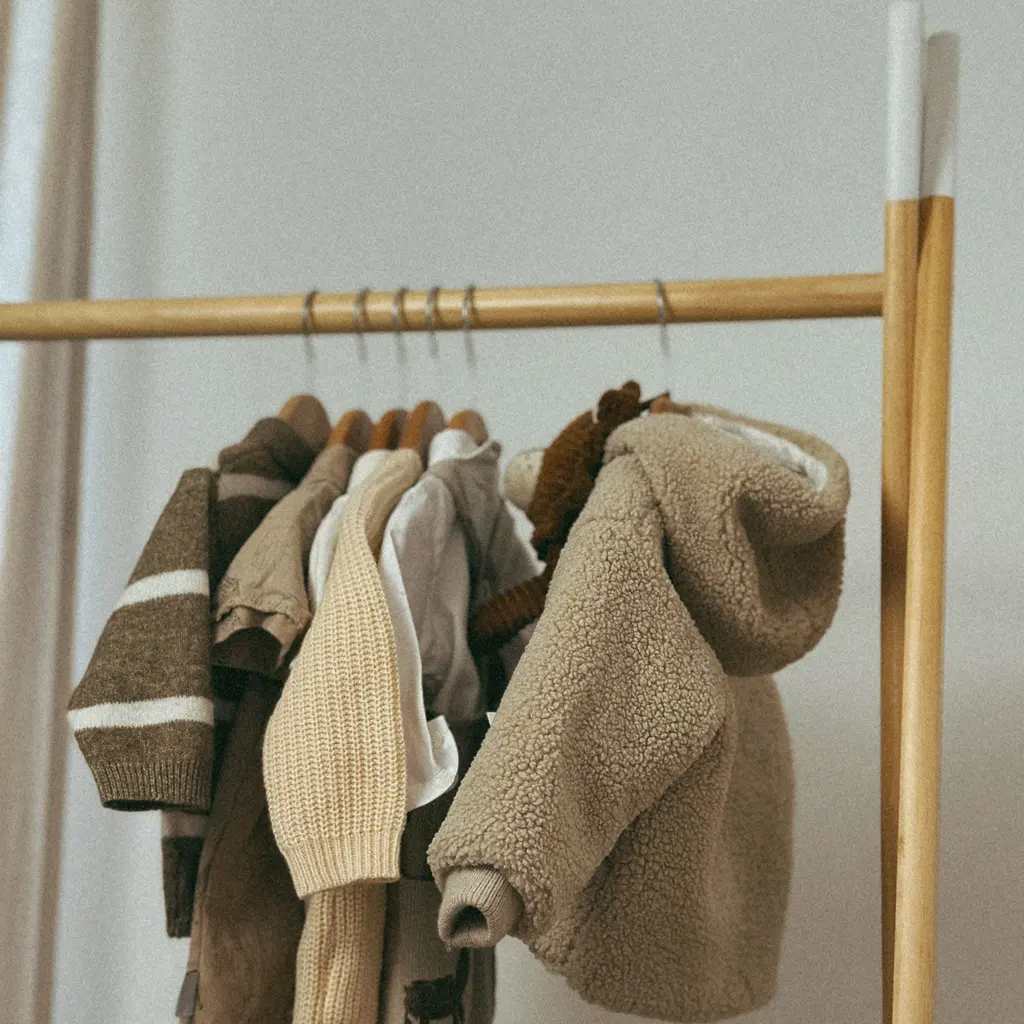
You help families shop for growing children, from baby clothes to school outfits. An unstable display can hurt a shopper, while a fire can destroy merchandise bought for back-to-school sales.
The Southern Agency can review your apparel range, sales activities, and seasonal inventory to help you choose insurance. We can discuss property limits for stock peaks and liability for customer injuries, keeping garment recalls and refunds separate from product-injury claims.
Toddlers and children moving quickly near fixtures, mirrors, and displays raise the chance of falls, tip-overs, and bumped-shelf injuries.
Garment defects can prompt injury allegations, safety complaints, and recalls. Drawstring and flammability rules depend on the item; the small-parts ban exempts children's clothing and accessories such as buttons. That exemption is not a finding that a loose fastener is safe, and a recall alone does not establish covered liability.
Families navigating with strollers and bags in tight aisles increase trip hazards and merchandise-knockdown incidents.
Fire, water, or theft can destroy stock that is concentrated by size run and season, hitting back-to-school or holiday peaks especially hard.
Gift-card, loyalty, and online-order services can involve personal or payment information handled by the store or a provider. A breach creates response and privacy concerns; not every service means the shop stores card details.
Staff lifting cartons, steaming garments, and arranging low displays face strain and slip injuries during frequent turnover.
Policies to ask about. Which ones fit depends on your operations, your contracts, and the carrier’s forms.
These hypothetical examples are not agency claim results. Whether a loss is covered depends on the facts, policy terms, and applicable exclusions.
Suppose a jacket the store sold is recalled for a drawstring hazard and a family seeks compensation after an incident. Product liability coverage may help with defense and damages for a covered claim alleging bodily injury or property damage; the actual allegations, facts, and policy terms matter. The recall alone does not establish that benefit or pay for stock withdrawal, refunds, or replacing the jacket.
Suppose a fixture tips over and injures a young customer, whose family brings a claim against the shop. General liability coverage may help with covered defense costs and damages if the claim falls within the policy. Fault, exclusions, and limits matter, and any medical-payments benefit has separate eligibility conditions.
Suppose a burst pipe soaks back-to-school stock and the shop pauses sales to repair the stockroom. Commercial property coverage may help replace insured garments and repair covered damage if the water loss is covered. Purchased business income coverage may help with qualifying lost income and continuing expenses during the covered restoration period. Stock valuation, peak limits, deductibles, and time terms still apply.
Start with the work you do and the questions your current policies leave unanswered. Carrier options depend on your location, risk, and underwriting. Explore our approach.
A customer may bring an injury or property-damage claim over a garment you sold even when another company made it. Review the product list, imports, and private-label lines for covered defense and damages. Garment rules differ by item, and children's clothing and accessories have an exemption from the small-parts ban. That does not establish product safety or remove possible defect allegations. A recall, refund or replacement expense needs separate review.
General liability may help with covered claims involving fixtures, mirrors, or crowded aisles, including defense and damages for which the shop is legally liable. The policy and incident facts govern; an injury alone does not prove fault or coverage. Medical-payments coverage, if included, has separate conditions and limits.
First identify the information your store and providers collect, retain or access. A cyber policy may help with defined response costs and covered privacy claims following an insured event, subject to reporting, retention, and limits. A provider handling payments does not remove every data responsibility, and stolen balances or chargebacks are not automatically breach-response benefits.
Document peak back-to-school and holiday stock, including complete size runs, and compare those values with the written limit and valuation basis. Ask how any seasonal adjustment or reporting provision actually works. A busy season or a higher retail asking price does not itself increase the amount payable.
A BOP may bundle commercial property and general liability, often with business income. Eligibility, covered causes, stock values, products, locations, and online activity need review. A single location does not guarantee package eligibility, lower cost, recall protection, or cyber coverage.
Read the actual lease and insurance schedule for limits, required policies, and additional-insured wording. Compare those requests with the issued policy and endorsements; a certificate does not satisfy an uncovered promise by changing the policy. Lease requirements do not establish that every requested term is available.
Bring your questions, current policies, and relevant contracts. An agent can review coverage terms, exclusions, and the information carriers ask for, then explain the options available to you.