

Testing and fitting liability
Hearing tests, earmold impressions, and device fittings can lead to professional claims alleging misdiagnosis, ear injury, or improper fitting.
Try a different word, or check the spelling.
A customized aid can be in a patient's ear, out as a loaner or awaiting programming without sharing the same property terms. Your hearing-center cover should fit the actual testing and fitting services, with performance complaints, mobile devices, and appointment records considered separately.
The Southern Agency can help you tailor insurance to your clinical services, inventory, and equipment.
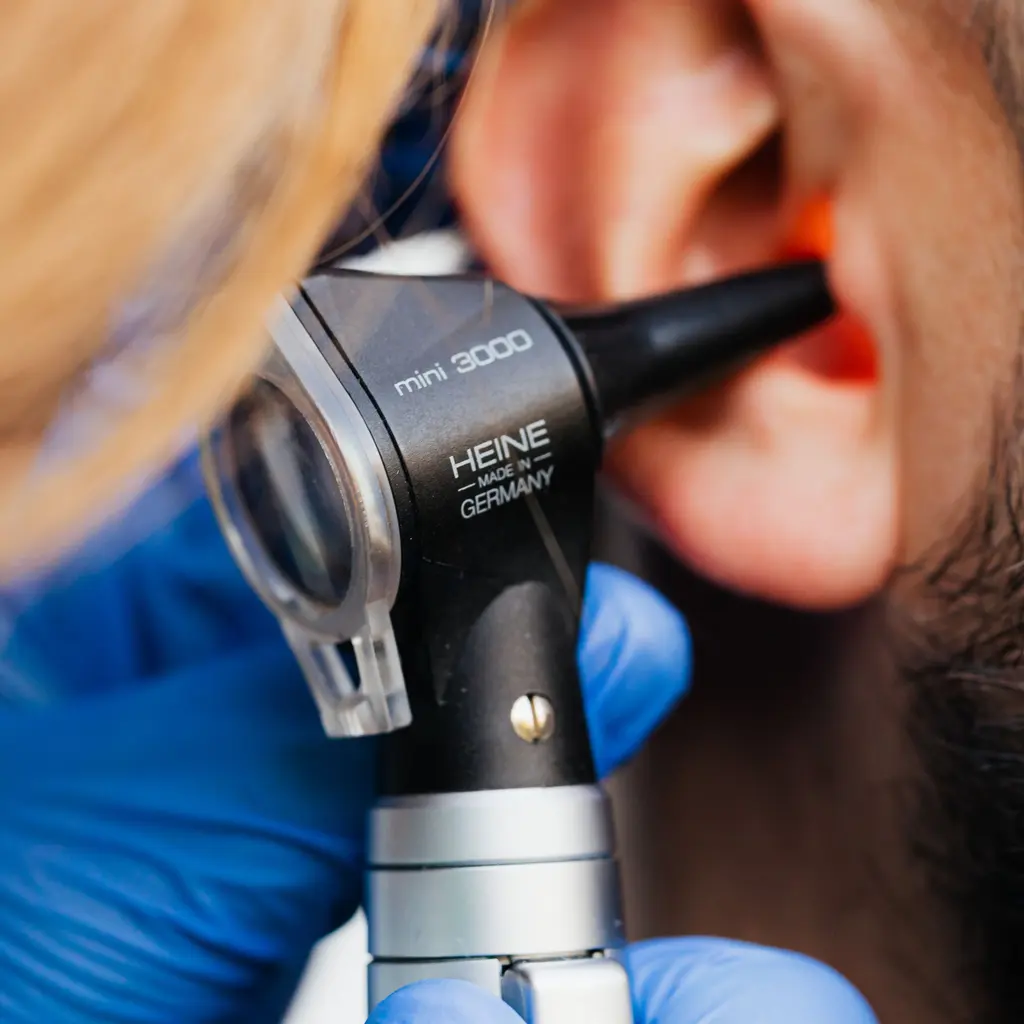
Your hearing aid center performs testing, fitting, and programming of sensitive electronic devices. An injury during an impression procedure or the loss of expensive stock can threaten your ability to serve patients.
The Southern Agency can review your clinical services and inventory to help select appropriate insurance. For example, we can discuss professional liability for your testing procedures and inland marine coverage for loaner devices.
Hearing tests, earmold impressions, and device fittings can lead to professional claims alleging misdiagnosis, ear injury, or improper fitting.
Patients may claim a costly hearing aid failed to perform as represented or was unsuitable for their hearing loss.
Compromise of actual patient, payment or appointment records can bring response costs and privacy claims. Applicable HIPAA/other duties depend on the entity, transactions, and provider roles, not simply the presence of health-related information.
Small, expensive, customized hearing aids, accessories, and loaners are vulnerable to theft, loss, and damage.
Patients, including older people or those needing mobility assistance, can trip or fall on the way to appointments and service areas. Describe actual access, floor and assistance arrangements rather than assuming every patient has the same needs.
Audiometric testing booths and programming computers are essential to service, and a breakdown can interrupt appointments.
Clinical and front-office staff face injury exposure, and the practice carries wrongful-termination and harassment claim potential.
Policies to ask about. Which ones fit depends on your operations, your contracts, and the carrier’s forms.
These hypothetical examples are not agency claim results. Whether a loss is covered depends on the facts, policy terms, and applicable exclusions.
Suppose a patient alleges an earmold impression caused an ear injury during fitting and brings a claim. Professional liability may help with covered defense and damages if the actual practitioner/entity and procedure are accepted. Claim/reporting terms, prior acts where applicable, exclusions, and limits matter; an allegation alone does not establish fault or payment.
Suppose thieves break in and take hearing aids and loaners. Applicable commercial property or specific inland-marine terms may help replace accepted stolen devices at the written valuation. Review ownership, insured location, theft proof, security conditions, limits, and deductibles; a portable-device label does not establish every stock interest or duplicate payment.
Suppose ransomware exposes patient health and payment records. Applicable cyber terms may help with approved forensic/notification response and covered privacy claims after the actual insured event. Determine affected data, provider roles, and legal duties, then review reporting, consent, retention, exclusions, and limits; ransomware does not automatically establish every ransom, restoration, or regulatory benefit.
Start with the work you do and the questions your current policies leave unanswered. Carrier options depend on your location, risk, and underwriting. Explore our approach.
Testing, impressions, fitting and programming can lead to claims about injury or service errors. Professional liability may help defend covered claims and pay covered damages. Compare OTC sales and clinical work with the insured people, businesses, services, and locations. Claims-made or occurrence terms, prior acts, reporting dates, exclusions, and limits affect protection; an individual's policy may not cover the whole center.
Property coverage may protect devices at insured premises; specific off-site or transit terms may be needed for patient loans and travel. Identify owned, patient-owned and consigned goods, loaners and demos, then compare locations, carriers, and custody with the policy. Covered causes, written valuation, loss evidence, security conditions, limits, and deductibles matter. Portability alone does not insure misplacement, malfunction, or every travel stage.
Health, appointment, billing and payment records can create investigation costs and privacy claims after a breach. HIPAA status depends on covered-entity or business-associate roles and qualifying transactions, not health information alone. Cyber coverage may help after a covered event, subject to reporting, approved response, retention, and limits. Notification duties and any regulatory or ransom benefit need specific review; buying insurance does not establish compliance.
A fitting or programming error, an injury from a defective device and dissatisfaction with its performance can raise different claims. Professional coverage depends on the insured services and people, the allegation, and the policy's exclusions and reporting terms; policies do not all require the same kind of loss. A promise to refund, replace or reprogram a device is not by itself proof of covered defense or compensation.
General liability may help defend a covered premises claim and pay covered injury damages. Walkways, access, and any assistance provided can be relevant, including for older patients or people with mobility needs. A fall does not by itself establish fault, and exclusions and limits still apply. Medical payments have their own conditions.
Bring your questions, current policies, and relevant contracts. An agent can review coverage terms, exclusions, and the information carriers ask for, then explain the options available to you.