

Product failure and improper recommendation
A walker, wheelchair, or grab bar that fails or is wrongly recommended can contribute to a fall or injury, especially for vulnerable customers.
Try a different word, or check the spelling.
A lift chair may leave your showroom for a home demonstration or rental placement while setup and instruction remain part of your service. Mobility-equipment cover needs those actual stages, with recommendation duties and patient billing records distinguished from vehicle protection or replacing a faulty aid.
The Southern Agency can help you protect your mobility aids and manage risks associated with patient deliveries.
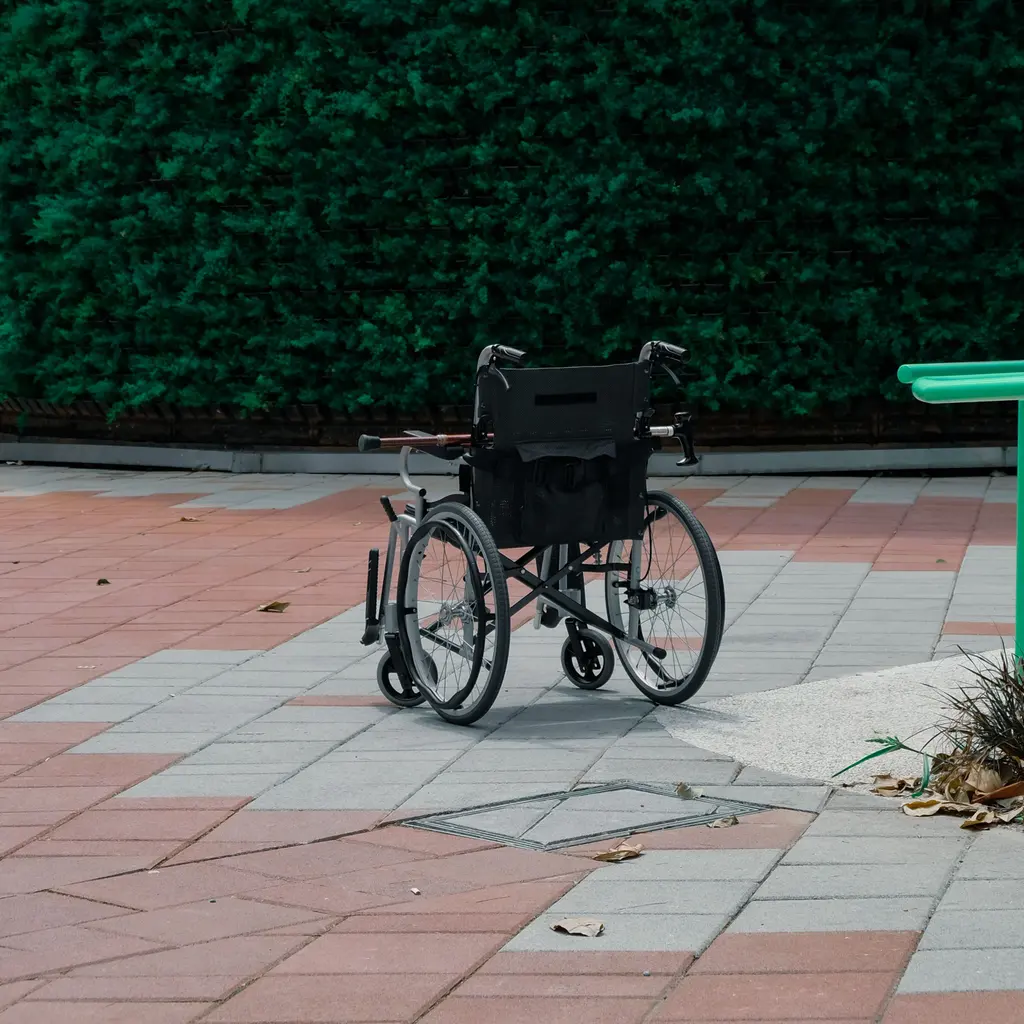
Your store delivers mobility aids like wheelchairs and lift chairs to patients, often demonstrating their use at home. Equipment failure during a demonstration or damage during transport could lead to costly claims or loss of equipment.
The Southern Agency can review your delivery and patient-education services to help select appropriate insurance. For example, we can discuss product liability for mobility aids versus commercial property coverage for your showroom.
A walker, wheelchair, or grab bar that fails or is wrongly recommended can contribute to a fall or injury, especially for vulnerable customers.
Delivering and assembling beds, lift chairs, and mobility aids in homes can injure customers or damage their property.
Operating vehicles to deliver bulky equipment exposes the store to auto liability and physical-damage losses.
Storing patient, insurance, and Medicare billing records creates cyber and privacy exposure if systems are compromised.
Showroom access and demonstrations can involve customers with different mobility or recovery needs. Walkways, displayed equipment and any assistance offered affect injury concerns; do not assume every customer needs the same support.
Powered equipment, lift chairs, and medical supplies are vulnerable to theft, water, and fire loss.
Loading, delivering, and assembling heavy equipment exposes staff to strains and other handling injuries.
Policies to ask about. Which ones fit depends on your operations, your contracts, and the carrier’s forms.
These hypothetical examples are not agency claim results. Whether a loss is covered depends on the facts, policy terms, and applicable exclusions.
Hypothetically, a customer alleges a walker collapsed and caused a fall. Product/general liability may provide defense and covered injury damages if the retailer, product, and claim fall within the policy. The allegation does not establish fault; replacing or recalling walkers and any separate medical-payment benefit have different terms.
Hypothetically, staff scratch a customer's floor and damage a doorway while installing a lift chair. General liability may address the resulting customer-property claim. Review the work performed, loading method, custody and exclusions for the particular property being worked on or damage arising from the work.
Hypothetically, attackers access patient and insurance billing records. A cyber policy may fund approved forensic and notification work and respond to covered privacy claims. The actual records, insured event, affected entity/provider, timely reporting, retention, and response-provider conditions determine which costs qualify.
Start with the work you do and the questions your current policies leave unanswered. Carrier options depend on your location, risk, and underwriting. Explore our approach.
Yes. Identify vehicles, drivers, loading methods and what staff actually assemble, install or demonstrate inside homes. Auto liability, selected vehicle physical damage, liability for customer-property damage and insurance on the equipment are separate questions. Ask how the actual work, custody, and loading stages are treated.
A retailer can be named in a claim even if it did not manufacture the aid, but fault depends on the facts and applicable law. Accepted product/general liability terms may address defense and covered injury/property damages. A refund, replacement, recall or recommendation-service claim needs its own terms rather than assuming every demand is a product-injury claim.
Protect records through actual access, security, backup, and provider arrangements; cyber insurance may help pay approved response costs and covered privacy claims after a defined event. HIPAA status depends on covered-entity/business-associate roles and qualifying transactions, not merely selling health products. Determine applicable duties separately, including other privacy and billing requirements.
Start with ownership: a completed sale, store-owned rental and loaned replacement do not leave the store with the same interest. Inland marine or other specifically agreed property terms may protect accepted equipment at customer locations. Review covered causes, rental periods, limits, valuation, installation/acceptance, and return transit; off-site placement alone is not a grant.
Workers' compensation may provide medical and wage benefits for a covered employee's work injury, including lifting or delivery incidents. State law, employment status, and the actual work determine obligations and benefits. Include drivers and outside installation arrangements in the review rather than assuming an auto liability policy covers employee injuries.
Bring your questions, current policies, and relevant contracts. An agent can review coverage terms, exclusions, and the information carriers ask for, then explain the options available to you.