

Dispensing and exams
Incorrect measurements or lenses can allegedly harm a customer. Examination services, if offered, may involve a different insured person and professional policy.
Try a different word, or check the spelling.
A prescription can come from a practitioner sharing your premises without making their examination part of your insured dispensing work. Optical protection should identify each service and person, with frame stock, edger failure and correcting a lens specification handled separately.
The Southern Agency can work through your actual practitioner and dispensing roles, frame values and lens-equipment dependencies with you.
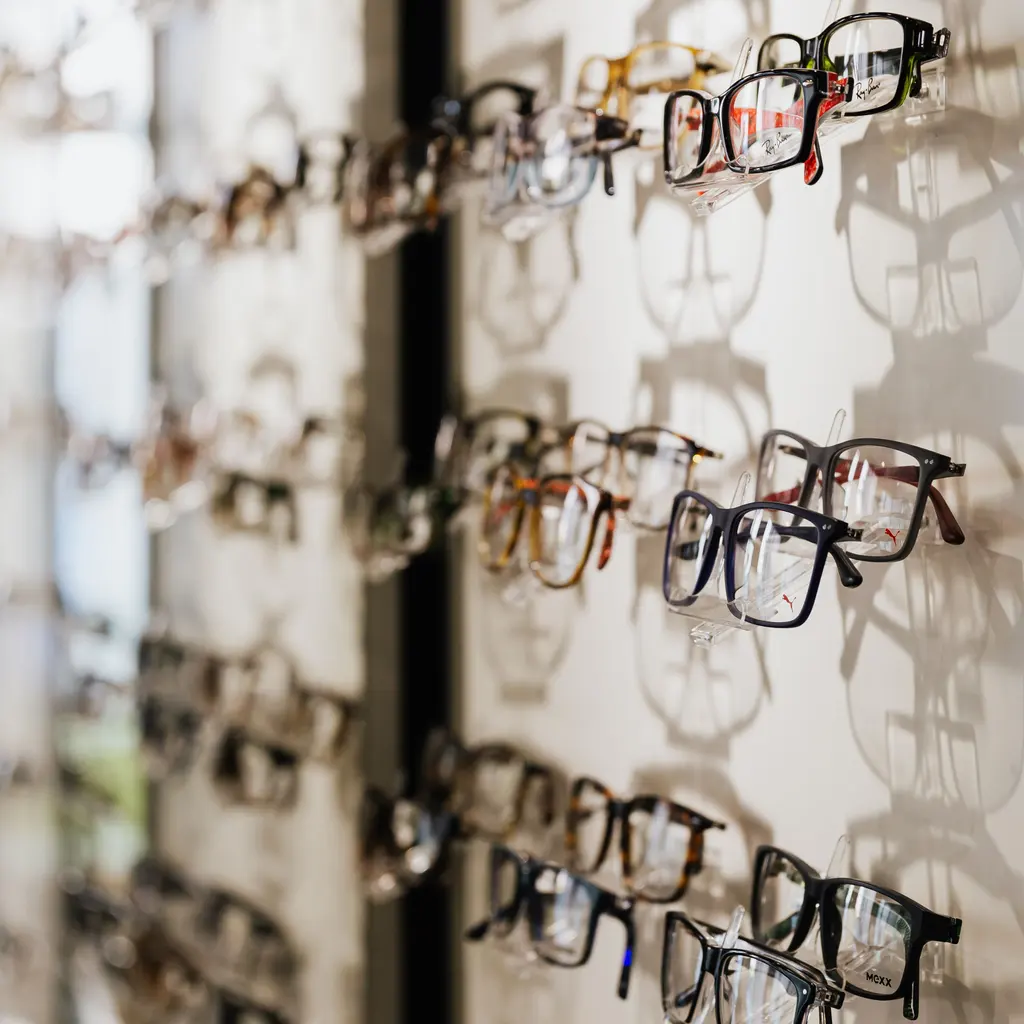
You measure, fit and finish prescription lenses or sell eyewear, sometimes sharing space with practitioners. A machine failure or prescription error can interrupt sales and lead to claims beyond typical inventory loss.
The Southern Agency can review your actual sales, measurements, dispensing and any examination arrangements with you. We can compare expressly accepted optical services and insured practitioners/entities with frame property, qualifying edger breakdown and prescription-data terms.
Incorrect measurements or lenses can allegedly harm a customer. Examination services, if offered, may involve a different insured person and professional policy.
Frames can be stolen or damaged, and an edger failure can delay orders. Correcting a lens specification differs from repairing an insured machine failure.
Prescription, plan, and payment information can be exposed. Browsing customers also face ordinary display-area injuries.
Policies to ask about. Which ones fit depends on your operations, your contracts, and the carrier’s forms.
These hypothetical examples are not agency claim results. Whether a loss is covered depends on the facts, policy terms, and applicable exclusions.
Suppose a customer alleges incorrect lenses caused injury. Identify actual prescription, measurement, dispensing and product duties and insured practitioners/entities before comparing accepted professional/product terms. Remaking the lenses or refunding the order differs from defending resulting injury.
Suppose a shopper falls beside a frame stand and brings an injury claim. Compare actual premises responsibility and accepted GL; any medical-payments benefit has separate conditions. This is different from a dispensing or examination error, and the fall does not itself establish negligence.
Suppose an electrical failure disables the lens edger. Compare qualifying insured machine damage and selected repair/interruption terms, including actual waiting/restoration periods and alternate-lab options. Wear, order remakes and every delayed sale are not automatically insured together.
Start with the work you do and the questions your current policies leave unanswered. Carrier options depend on your location, risk, and underwriting. Explore our approach.
Not automatically. The professional service, person, and entity need appropriate explicit cover.
Own-product replacement may be excluded even when resulting injury could be covered.
Ordinary wear and maintenance are not the same as an insured breakdown.
No. Describe what staff actually do; do not assume examinations or dispensing from the optical label.
Bring your questions, current policies, and relevant contracts. An agent can review coverage terms, exclusions, and the information carriers ask for, then explain the options available to you.