

Devices and service work
A claim can concern a product defect, calibration, or user instruction. The actual allegation determines which liability terms may apply; not every device or service is accepted.
Try a different word, or check the spelling.
Your device may be sold, rented out or returned for calibration, with different responsibilities at each stage. Product, service, and custody protection need the actual equipment and duties, rather than assume a generic professional policy accepts bodily injury or medical services.
Bring actual devices and services, rental ownership and locations, delivery stages and staff training so The Southern Agency can review appropriate terms.
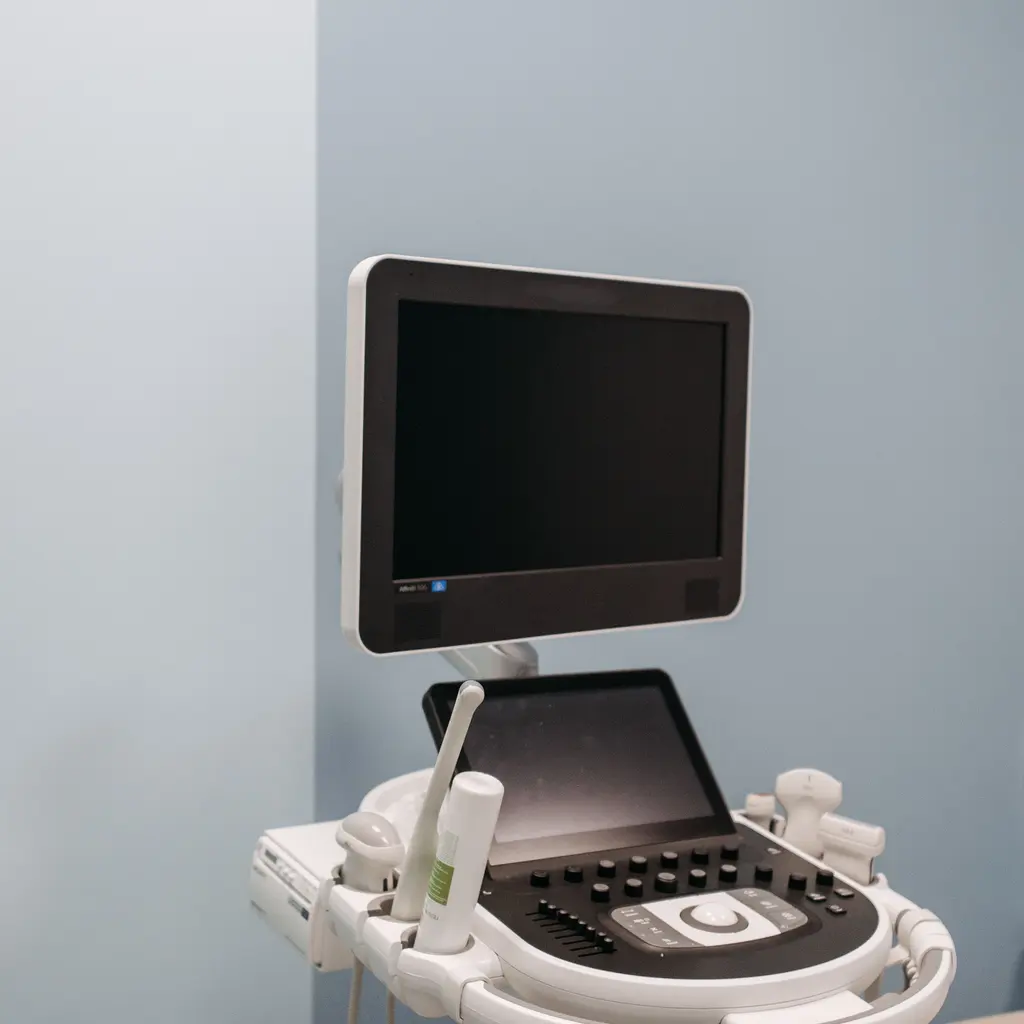
You supply and maintain medical devices for homes and facilities, but a malfunction during setup or use could lead to an injury allegation. Managing these devices requires understanding the risks associated with both retail and professional service.
The Southern Agency can review your service, rental, and delivery operations to help select appropriate insurance, such as product liability for your devices or professional liability for your servicing.
A claim can concern a product defect, calibration, or user instruction. The actual allegation determines which liability terms may apply; not every device or service is accepted.
Equipment moves through vehicles, homes, and facilities. Accidental damage, wear, maintenance, and non-return are different losses.
Patient or billing records may be handled, but not every sale involves patient information. High-value stock and staff lifting duties also need review.
Policies to ask about. Which ones fit depends on your operations, your contracts, and the carrier’s forms.
These hypothetical examples are not agency claim results. Whether a loss is covered depends on the facts, policy terms, and applicable exclusions.
A patient might allege that a rented oxygen concentrator malfunction caused injury. Identify whether the allegation concerns the device, your servicing or user instruction and confirm the actual rental device and insured provider are accepted. Product and specialist service terms may differ; ordinary E&O does not itself accept clinical devices or bodily injury.
A store-owned bed could suffer accidental damage while rented to a facility. Review the accepted location, use, cause, custody and valuation against the rental-equipment form. Wear, servicing or non-return differs from covered physical damage, and the facility's contract does not itself insure your bed.
A returned device is alleged to have been calibrated incorrectly. Suitable professional liability may address covered defense and damages, but service definitions and bodily-injury exclusions must be reviewed.
Start with the work you do and the questions your current policies leave unanswered. Carrier options depend on your location, risk, and underwriting. Explore our approach.
Not necessarily. Many forms restrict bodily injury or medical services. Ask about the actual device and service rather than the policy label.
Only if the form includes those locations, customers, and uses. Transit and customer-possession terms also matter.
No. Identify the information actually received and the business's role before deciding privacy duties.
Workers compensation needs separate review based on duties, worker status, and state requirements; auto does not replace it.
Bring your questions, current policies, and relevant contracts. An agent can review coverage terms, exclusions, and the information carriers ask for, then explain the options available to you.