

Fire and sawdust ignition
Combustible lumber, sawdust and large open stacks can let a fire spread quickly through a yard.
Try a different word, or check the spelling.
An order cut in the mill can become an open-yard stack, a flatbed load, and a boom-truck delivery. Your stock and operating protection should follow those stages, with weather, mobile machinery, and offloading duties distinguished from ordinary truck liability.
The Southern Agency can help you review your yard's milling, storage, and delivery risks to assist with coverage selection.
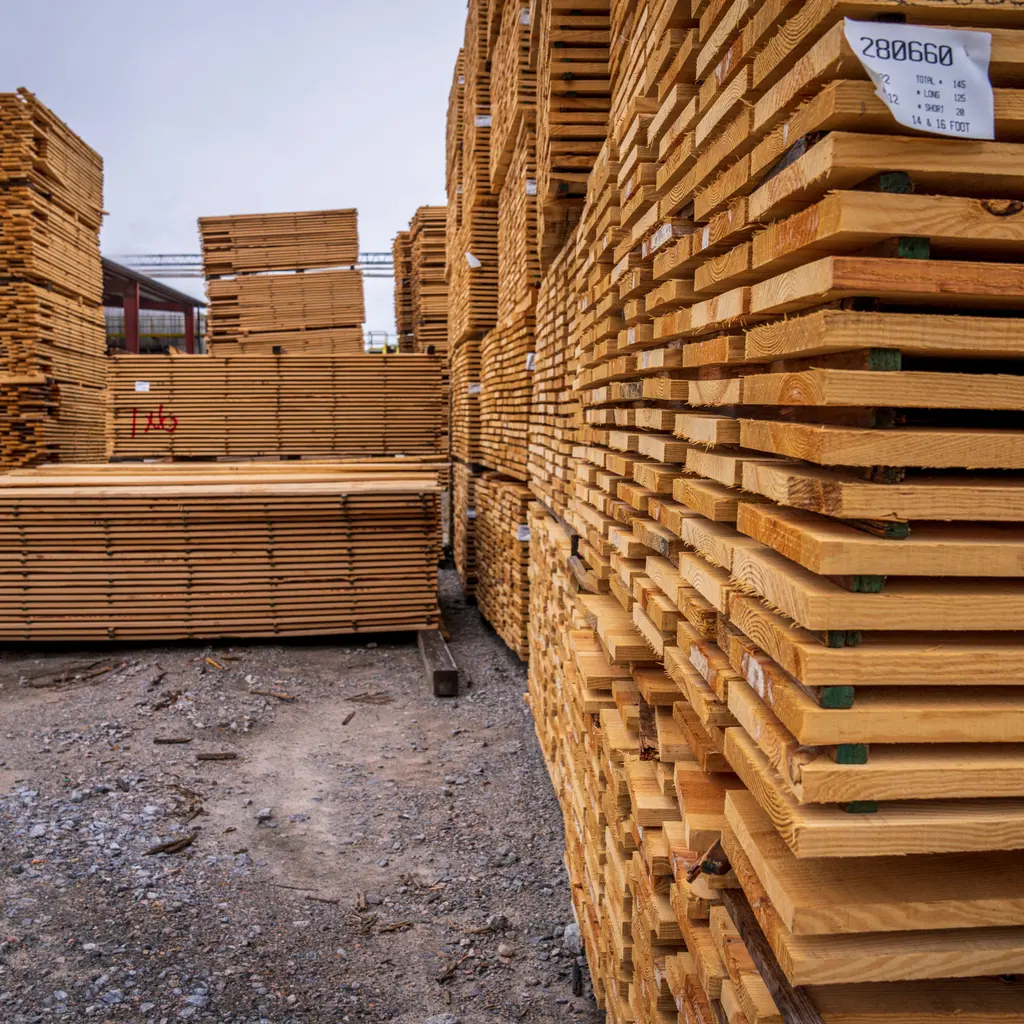
You manage a yard where you cut, store, and deliver lumber, which means a fire or a forklift accident could result in significant losses. Your daily operations involve moving heavy stock and equipment that require specific protection.
The Southern Agency can review your milling, storage, and delivery tasks to help select appropriate insurance, such as equipment coverage for forklifts or transit insurance for wood deliveries.
Combustible lumber, sawdust and large open stacks can let a fire spread quickly through a yard.
Forklifts moving heavy banded lumber near staff and customers create struck-by, crush, and tip-over exposure.
Tall stacks of lumber and plywood can shift or topple, injuring workers or customers and damaging vehicles.
Saws and milling equipment used to cut to order expose staff to lacerations and machinery-related injuries.
Boom trucks and flatbeds delivering to jobsites face road accidents and crane-offloading injury exposure.
Open-stored lumber is exposed to wind, rain, and storm damage that can ruin product and disrupt sales.
Large quantities of wood product under one roof and in the yard concentrate property loss potential.
Policies to ask about. Which ones fit depends on your operations, your contracts, and the carrier’s forms.
These hypothetical examples are not agency claim results. Whether a loss is covered depends on the facts, policy terms, and applicable exclusions.
Suppose fire spreads through stacked lumber and the storage building, leaving rebuilding costs and a pause in sales. Commercial property may help repair insured property and replace covered stock at the written valuation. Purchased business income may help with qualifying lost income and continuing expenses during restoration, subject to its waiting period, time limits and other terms.
Suppose a forklift carrying a banded unit tips and injures an employee. Workers' compensation may provide medical care and wage-loss benefits for the covered work injury under applicable state rules. Repairing the forklift and replacing damaged lumber are separate property interests.
Suppose lumber being offloaded by a boom truck at a jobsite strikes and damages property, leading to a claim. Business auto or general liability may help with covered defense and damages, depending on the equipment, loading method and policy definitions. Property in custody or being worked on can receive different treatment, and the dropped lumber itself needs separate cargo review.
Start with the work you do and the questions your current policies leave unanswered. Carrier options depend on your location, risk, and underwriting. Explore our approach.
Wood stock and sawdust can support a fast-spreading fire, with losses to buildings, machinery and orders awaiting delivery. Describe fire protection, collection systems, maintenance, and stock values when comparing offers. Controls can affect the review but do not establish a particular price or promise payment.
Scheduled mobile-equipment coverage may protect a forklift against covered physical damage; breakdown terms address a different cause of loss. Milling machinery must be insured equipment and suffer a covered event for a breakdown benefit. Check vehicle exclusions, wear and maintenance provisions, valuation and any separately purchased income protection.
Review business auto for the delivery vehicles, drivers and road use, alongside applicable state requirements. Crane and boom offloading can involve auto and mobile-equipment definitions and general liability. Truck physical damage and carried lumber need separate terms.
It may be if the location, stock, and weather cause are covered. Open stacks can receive different terms from indoor inventory. Check wind, rain and flood provisions, valuation and limits; being stored in the yard does not make every weathering loss insurable.
Purchased transit coverage may help replace insured lumber after covered loss. Compare ownership, carriers, loading/offloading, temporary storage and the point at which coverage ends with the delivery agreement. Valuation, proof, limits, and deductibles still apply.
Builder customers can request certificates, additional-insured status, or particular limits. Compare the written contract with the policy and endorsements; a certificate alone does not add coverage. Also distinguish these requests from the risk of an unpaid trade account, which ordinary property or liability coverage does not automatically reimburse.
Bring your questions, current policies, and relevant contracts. An agent can review coverage terms, exclusions, and the information carriers ask for, then explain the options available to you.