

Forklift handling of heavy pallets
Dense palletized brick, block, and stone moved by forklift near staff and customers creates struck-by and crush exposure.
Try a different word, or check the spelling.
Setting a dense pallet down at a job site can involve rigging and offloading duties beyond driving the delivery truck. Your yard, mobile-equipment, and vehicle protection should fit those tasks, with outdoor stock, carried materials, and the truck itself valued separately.
The Southern Agency can help you review your handling, loading, and delivery risks to assist with coverage selection.
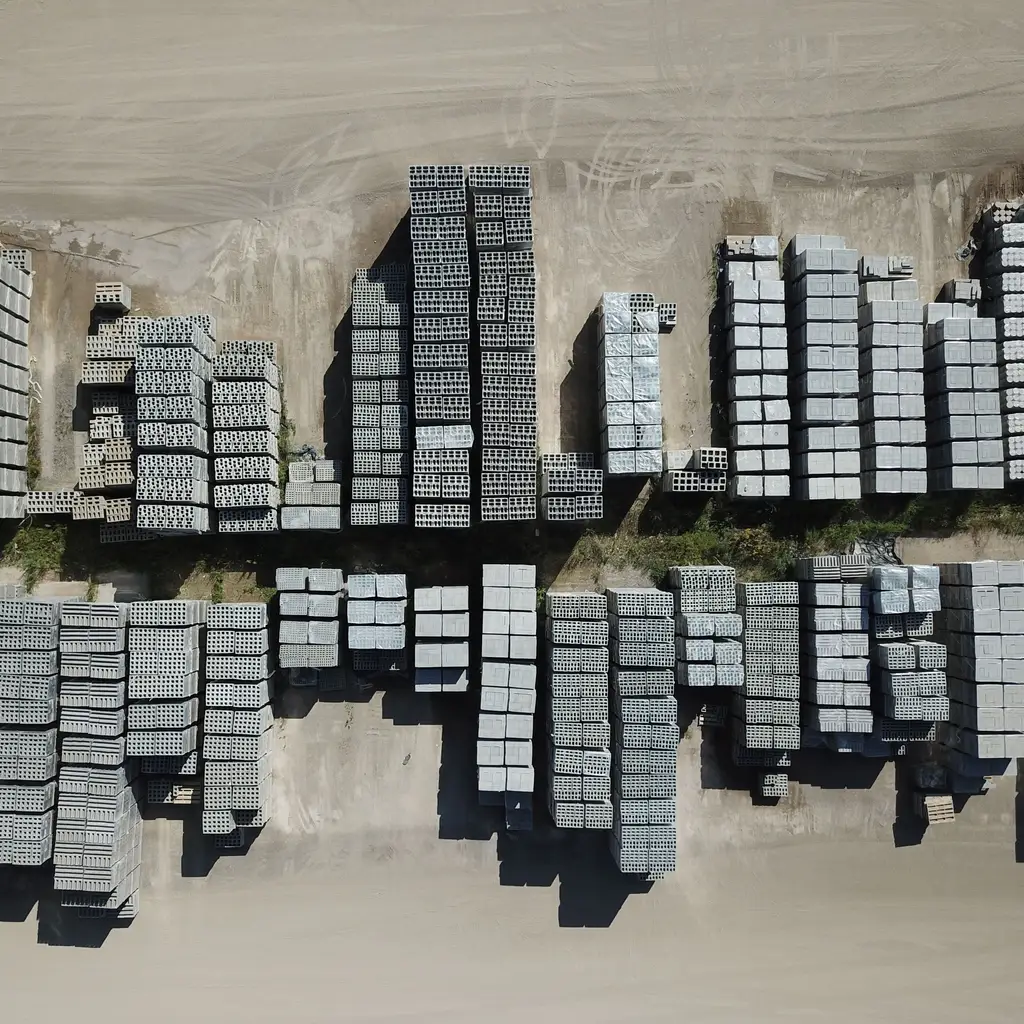
You supply brick, block, stone and bagged materials to builders. Heavy pallets can injure a customer or damage a vehicle, while forklift handling or any boom-truck offloading adds duties beyond storing the stock.
The Southern Agency can review your loading and delivery processes to help select appropriate insurance, such as coverage for your fleet or liability for jobsite accidents.
Dense palletized brick, block, and stone moved by forklift near staff and customers creates struck-by and crush exposure.
Stacked masonry pallets can shift or topple, causing severe injury or vehicle damage given the weight of the product.
Delivering with crane-equipped trucks introduces rigging and offloading liability when loads are lifted over jobsites.
Handling bagged cement and mortar generates dust that raises respiratory and air-quality concerns for staff and neighbors.
Heavy trucks hauling masonry materials to jobsites face accident and load-securement exposure on public roads.
Loading dense pallets, lifting bags, and rigging deliveries exposes staff to crush, back, and repetitive-strain injuries.
Open-stored brick, block, and stone face weather and theft exposure that can damage product and disrupt sales.
Policies to ask about. Which ones fit depends on your operations, your contracts, and the carrier’s forms.
These hypothetical examples are not agency claim results. Whether a loss is covered depends on the facts, policy terms, and applicable exclusions.
Suppose stacked block shifts and falls near a customer. If an injury claim follows, general liability may help with covered defense and damages. The incident and allegations must support the claim; a near miss alone does not establish an injury payment. Any medical-payments benefit has separate conditions and limits.
Suppose a boom truck drops stone onto property while offloading at a jobsite, leaving a damage claim. Business auto or general liability may help with covered defense and damages, depending on how the crane and loading work fit the policies. Property in custody or being worked on, and damage to the stone itself, need separate review.
Suppose an employee is injured while a forklift moves a heavy pallet. Workers' compensation may provide medical care and wage-loss benefits for the covered work injury under state rules. Machine repairs or damage to the load are different costs, not part of those worker benefits.
Start with the work you do and the questions your current policies leave unanswered. Carrier options depend on your location, risk, and underwriting. Explore our approach.
Heavy pallets create loading, collapse, and injury concerns, while their value affects property limits. Equipment, delivery methods, yard conditions, staff duties, and loss history also influence the offer. Weight alone does not determine a premium or guarantee that a safety measure earns a discount.
Business auto or general liability may help with a covered offloading claim. The crane, vehicle, and loading method determine which definitions and exclusions apply. Property in custody, the part being worked on and the dropped load can receive different treatment, so compare liability and cargo with the offloading agreement.
Review business auto for the delivery fleet, drivers and road use, together with applicable state requirements. Boom/crane work and loading may also involve general liability. Repairs to the trucks and physical loss of the masonry load need separate selections or policies.
A covered customer injury claim may involve general liability, while a covered staff injury may involve workers' compensation. The equipment and loading method can change how auto and mobile-equipment provisions apply. Damage to the forklift itself, and its internal failure, require their own property or breakdown terms.
Workers' compensation may provide benefits for a qualifying occupational condition under state law. The condition, work exposure, and evidence matter; dust controls do not establish compensability or replace applicable safety duties. Neighbors' dust or pollution claims and cleanup costs are different questions.
It may be if the stock, location, and cause are covered. Review outside-storage terms, security conditions, wind/rain and flood provisions, loss evidence, valuation, limits, and deductibles. Not every damp bag, gradual deterioration, or missing pallet is treated as the same insured loss.
Bring your questions, current policies, and relevant contracts. An agent can review coverage terms, exclusions, and the information carriers ask for, then explain the options available to you.