

Structures
Wind or ice can damage a tower and attached equipment; corrosion, fatigue or defects can also be involved. Cause and insured ownership matter separately from a tenant's repair demand.
Try a different word, or check the spelling.
A tenant's antenna, your tower structure and the backup generator can have different owners and recovery interests at the same compound. Tower protection should identify those duties, with climbing, fuel or battery releases and tenant revenue distinguished from repairing your own support systems.
The Southern Agency can review your tower leases, actual climbing arrangements and support-system ownership with you.
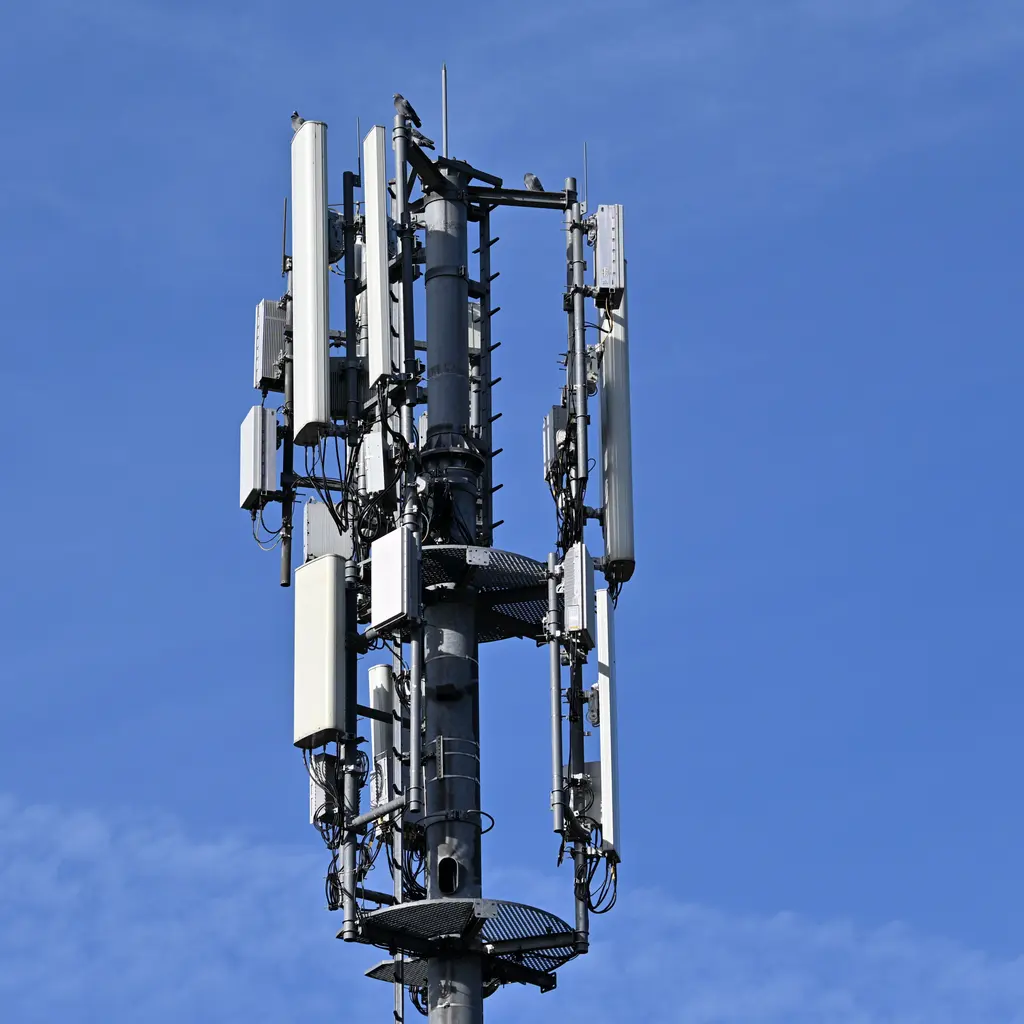
You own or manage structures for communication tenants, including generators and tower compounds. A structural collapse or a generator failure can damage your property or disrupt your tenants.
The Southern Agency can help review your tower ownership and climbing duties to select appropriate insurance. We can discuss how to divide protection for your structures from the equipment managed by your tenants.
Wind or ice can damage a tower and attached equipment; corrosion, fatigue or defects can also be involved. Cause and insured ownership matter separately from a tenant's repair demand.
A climb or rigging task can lead to a severe fall or dropped-object injury. Your employees, a tenant's crew and outside maintenance contractors can have different injury and liability responsibilities.
Generator fuel or battery systems can contribute to fire or a release. Equipment repair, soil cleanup, routine disposal and a neighbor's claim are different costs.
Access roads, gates and compound work can produce visitor or neighboring-property claims. Remote access does not remove the need to identify who controls the site and equipment.
A failed generator can interrupt tenant service while the tower remains standing. Your repair costs, rental income and a tenant's lost revenue or promised credits do not share an automatic trigger.
Policies to ask about. Which ones fit depends on your operations, your contracts, and the carrier’s forms.
These hypothetical examples are not agency claim results. Whether a loss is covered depends on the facts, policy terms, and applicable exclusions.
Suppose ice contributes to tower collapse and damages tenant antennas. Compare actual structural cause and accepted own/tenant property interests with separate liability allegations. Wind/ice, fatigue and the lease's restoration promise do not establish the same response.
Suppose a technician falls during maintenance. Identify the actual employer, task and location before comparing employee compensation or contractor injury/liability terms. A contractor certificate alone does not make every climber your insured employee.
Suppose generator diesel reaches soil beyond the compound. Compare accepted site/release and cleanup/third-party terms, with reporting and consent. Repairing the tank, routine disposal and every regulatory demand are different interests.
Start with the work you do and the questions your current policies leave unanswered. Carrier options depend on your location, risk, and underwriting. Explore our approach.
Coordinate tower property, liability, people, environmental, and power-system interests.
Collapse depends on cause and exclusions; third-party damage does not establish automatic liability.
Actual stored materials and releases define environmental needs.
Contractor status and injury responsibilities require review; the operator's policy does not automatically insure every climber.
Use actual ground and carrier duties and compare available forms.
Repair and interruption terms must fit support systems and the operator's own insured income interest.
Bring your questions, current policies, and relevant contracts. An agent can review coverage terms, exclusions, and the information carriers ask for, then explain the options available to you.