

Accidents on stop-heavy routes
Frequent stops, reversing and curbside loading create opportunities for collisions or pedestrian injuries. Tight delivery windows also make driver scheduling and safe stopping arrangements important review details.
Try a different word, or check the spelling.
A parcel can arrive undamaged and still miss the delivery window you guaranteed. Cargo protection and service-refund obligations answer different questions, especially when packages wait overnight between collection and final handoff.
The Southern Agency can help you review your fleet, package custody and shipper requirements.
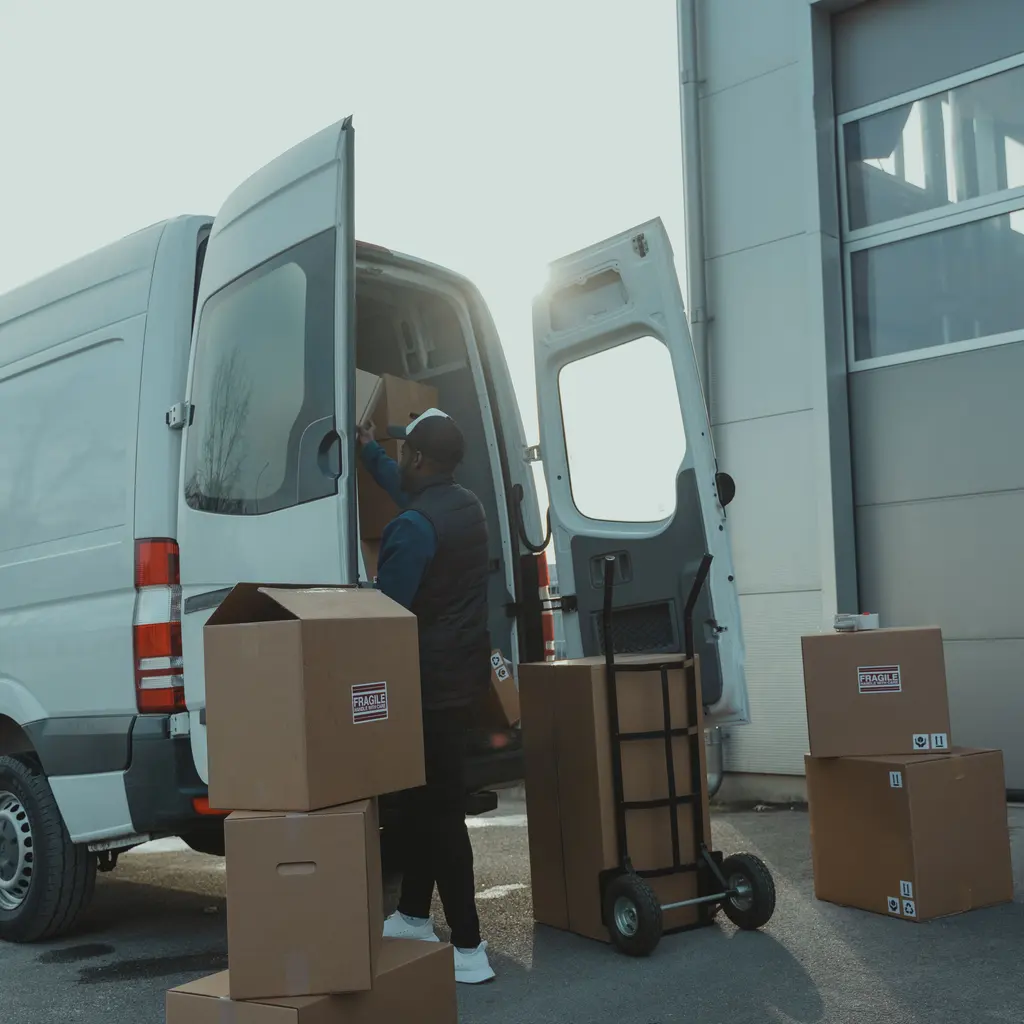
You operate time-sensitive delivery routes, with drivers making frequent stops to handle packages. A vehicle accident can disrupt your schedule and threaten the safety of your cargo and staff.
The Southern Agency can review your vehicle fleet, cargo handling, and dispatch data to help you select appropriate insurance. For example, we can help assess motor truck cargo coverage for lost packages.
Frequent stops, reversing and curbside loading create opportunities for collisions or pedestrian injuries. Tight delivery windows also make driver scheduling and safe stopping arrangements important review details.
Packages promised for next-morning or same-day arrival can be damaged, lost or stolen. Carrier responsibility, declared values and cargo terms affect a physical-loss claim; a late parcel is a different problem.
Guaranteed-time service often carries refund or penalty clauses, so service failures can create financial liability to shippers.
Loading, scanning, and moving packages through a hub exposes staff to lifting strains, slips, and forklift or conveyor incidents.
Packages staged at depots or left in loaded vans can be stolen. High-value electronics may concentrate more value than a route's package count suggests.
Shipper and recipient information flowing through scanning and tracking platforms creates breach and privacy exposure.
Policies to ask about. Which ones fit depends on your operations, your contracts, and the carrier’s forms.
These hypothetical examples are not agency claim results. Whether a loss is covered depends on the facts, policy terms, and applicable exclusions.
A driver rushing to make a committed window rear-ends another vehicle. Business auto may respond to injury and property damage claims, depending on policy terms and the facts of the loss.
A loaded van is stolen from a staging point overnight. Motor truck cargo coverage may help with the value of the lost packages, subject to the specific policy, limits, and exclusions.
A breach exposes recipient addresses and contact data from the tracking platform. A cyber policy may respond to notification and forensic costs, depending on the specific policy and endorsements.
Start with the work you do and the questions your current policies leave unanswered. Carrier options depend on your location, risk, and underwriting. Explore our approach.
Map actual mileage, routes, drivers and stopping practices alongside package types and the maximum load at each vehicle or staging point. Compare road liability, own-vehicle damage and cargo interests separately. A route's package count alone does not establish its insured value.
Cargo coverage addresses physical loss or damage to goods, not contract penalties for late delivery. Service-failure exposures depend on your shipper agreements and policy terms.
Delivering to homes adds different liability touchpoints than docks, and general liability may respond to injury or damage at those sites, subject to policy terms.
Tracking systems store shipper and recipient data, so a breach can trigger notification and liability costs that cyber coverage may help address, depending on the policy.
Bring each shipper's actual insurance schedule, required limits and endorsement requests. Compare them with accepted vehicles, cargo, locations and issued terms. A certificate does not amend the policy, and meeting an insurance limit does not itself insure a promised delivery refund or penalty.
Compare your actual auto and liability limits with routes, pedestrian exposure, loss history and shipper requests. Excess or umbrella terms may add limits above accepted underlying claims, subject to attachment and exclusions. They do not automatically enlarge the cargo limit or pay delivery penalties.
Bring your questions, current policies, and relevant contracts. An agent can review coverage terms, exclusions, and the information carriers ask for, then explain the options available to you.