

Battery ignites during processing
Unsorted or damaged batteries can burn among stored devices and combustible material.
Try a different word, or check the spelling.
A drive can have little resale value and still hold information a customer expected you to destroy. Review failed data destruction separately from the device's insured stock value.
Talk with The Southern Agency about your operation, policy terms, and the information carriers need.
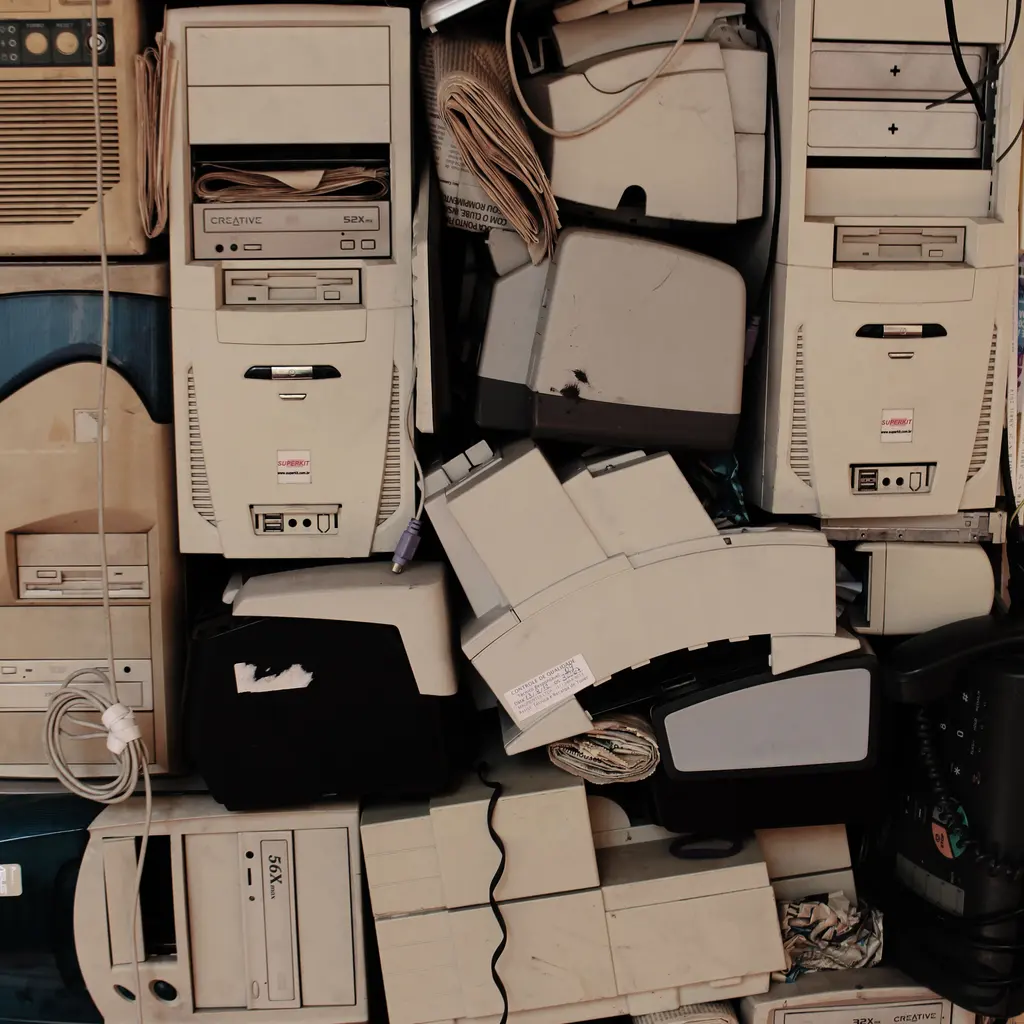
You dismantle discarded electronics to recover valuable materials and often provide data-destruction services for customers. A lithium-battery fire in your sorting line or a failure in your data-wiping process can expose your business to property damage and privacy claims.
The Southern Agency can review your dismantling operations and data-handling services to help you select appropriate insurance. We can discuss how to protect your machinery from fire and how to manage the liability associated with your destruction-service duties.
Unsorted or damaged batteries can burn among stored devices and combustible material.
Components and dust can expose workers and create environmental claims; material composition varies.
A drive thought destroyed may still contain client information.
A vendor may mishandle shipped fractions, while valuable recovered metals face theft and valuation disputes.
Policies to ask about. Which ones fit depends on your operations, your contracts, and the carrier’s forms.
These hypothetical examples are not agency claim results. Whether a loss is covered depends on the facts, policy terms, and applicable exclusions.
A cell ignites in a shredder and fire damages recovered stock and machinery. Property may address included physical damage where the materials and cause are accepted. Battery conditions, declared values and valuation matter; the incident does not establish recovery for every stored load.
A client alleges that a drive recorded as wiped still contained readable files. Suitable privacy and professional terms may address covered service defense or incident response. Actual destruction duties, information exposure and reporting terms matter; the device's resale value does not measure the privacy demand.
A downstream vendor improperly dumps recycling fractions, and the plant is named in a contamination claim. Accepted environmental terms may address covered defense or cleanup liabilities. Review materials, destination and retained duties against non-owned-disposal scope; shipment and vendor contracts do not automatically remove responsibility.
Start with the work you do and the questions your current policies leave unanswered. Carrier options depend on your location, risk, and underwriting. Explore our approach.
Review accepted materials, battery separation, and fire protection with suitable property terms. No automatic battery-fire eligibility is promised.
Assess privacy and professional-service protection that includes destruction work; ordinary cyber does not automatically accept every failed service.
Pollution and employee exclusions can restrict claims. Declared substances and occupational duties require separate review.
Possibly, depending on the material, role, applicable law, and facts. Review non-owned destination scope rather than assuming all liability ends at shipment.
Only applicable theft terms and insured interests qualify. Employee dishonesty, outside theft, and inventory shortage differ.
Materials, battery handling, data services, values, controls, and losses inform underwriting; no placement guarantee follows from certification.
Bring your questions, current policies, and relevant contracts. An agent can review coverage terms, exclusions, and the information carriers ask for, then explain the options available to you.