

Odor or runoff affects neighbors
Bioaerosols, leachate, and stormwater can lead to nuisance or contamination allegations.
Try a different word, or check the spelling.
The feedstock you accept can affect whether the finished compost is usable for a customer's soil. Coverage for product-related damage is a different question from replacing your own batch, rejecting an incoming load or handling runoff from outdoor piles.
Talk with The Southern Agency about your operation, policy terms, and the information carriers need.
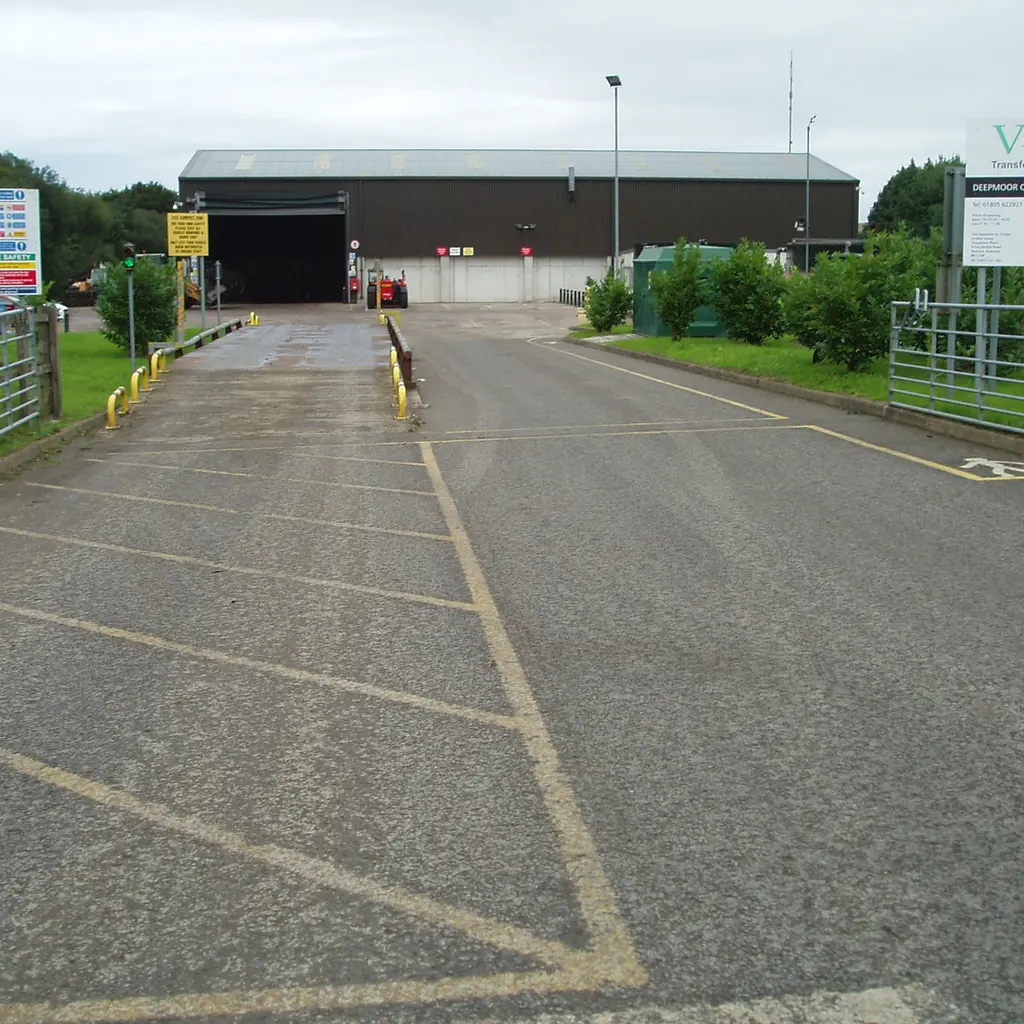
You convert organic waste into compost, a process that involves managing large piles, dust, and potential runoff. A fire within a pile can damage your equipment, or leachate could contaminate surrounding land.
The Southern Agency can review your feedstock sources, site operations, and finished-product distribution to help you select appropriate insurance. We can help you navigate coverage for pile fires and potential product-liability claims from your compost.
Bioaerosols, leachate, and stormwater can lead to nuisance or contamination allegations.
A smoldering windrow can damage machinery and stock and require extended response.
Unwanted chemicals, glass, or plastics can create rejection and disposal costs.
Grinders and screens can injure staff or fail; contaminated compost may damage a customer's plants or soil.
Policies to ask about. Which ones fit depends on your operations, your contracts, and the carrier’s forms.
These hypothetical examples are not agency claim results. Whether a loss is covered depends on the facts, policy terms, and applicable exclusions.
Heavy rain carries leachate from outdoor piles into a stream. Environmental terms may address covered investigation, cleanup or third-party claims if the feedstock, release and site qualify. Normal drainage improvements and permit penalties are different costs.
A self-heating windrow ignites and damages a turner beside it. Property terms need to include the fire cause and equipment involved. Replacing compost, repairing the turner and paying extended firefighting expenses may have different limits or exclusions.
A grower alleges that contaminated compost damaged plants after application. Review the supplied product, alleged plant or soil damage and product/pollution terms together. Replacing your own compost or honoring a yield guarantee is a separate question.
Start with the work you do and the questions your current policies leave unanswered. Carrier options depend on your location, risk, and underwriting. Explore our approach.
Not reliably. Pollution and nuisance exclusions may restrict odor, dust, and leachate claims; suitable environmental wording needs review.
Potentially under suitable terms, but self-heating, stock, and outdoor-storage restrictions matter.
Sold compost can create injury or other-property claims. Replacement, performance guarantees, and recall need separate treatment.
Rejection, disposal and contamination losses depend on ownership, cause, and policy terms; insurance does not automatically pay to remove every bad load.
Qualifying breakdown and linked income terms may help, but wear and routine maintenance remain separate.
Feedstocks, surroundings, controls, machinery, inventory, sales, and claims inform underwriting; no standard rate is implied.
Bring your questions, current policies, and relevant contracts. An agent can review coverage terms, exclusions, and the information carriers ask for, then explain the options available to you.