

Forklift and loader handling accidents
A shifting pallet or overturn can injure people, break masonry and damage the machine. Record stable storage, routes, and actual handling methods, then separate each injured person and property interest.
Try a different word, or check the spelling.
Placing masonry at a jobsite can involve your truck, a mounted device or a separate forklift, each with different insurance boundaries. Delivery protection should fit the actual method, with the customer's surfaces, outdoor stock, and handling gear distinguished from the load itself.
The Southern Agency can review how you store, haul and place masonry before comparing stock, equipment and liability terms.
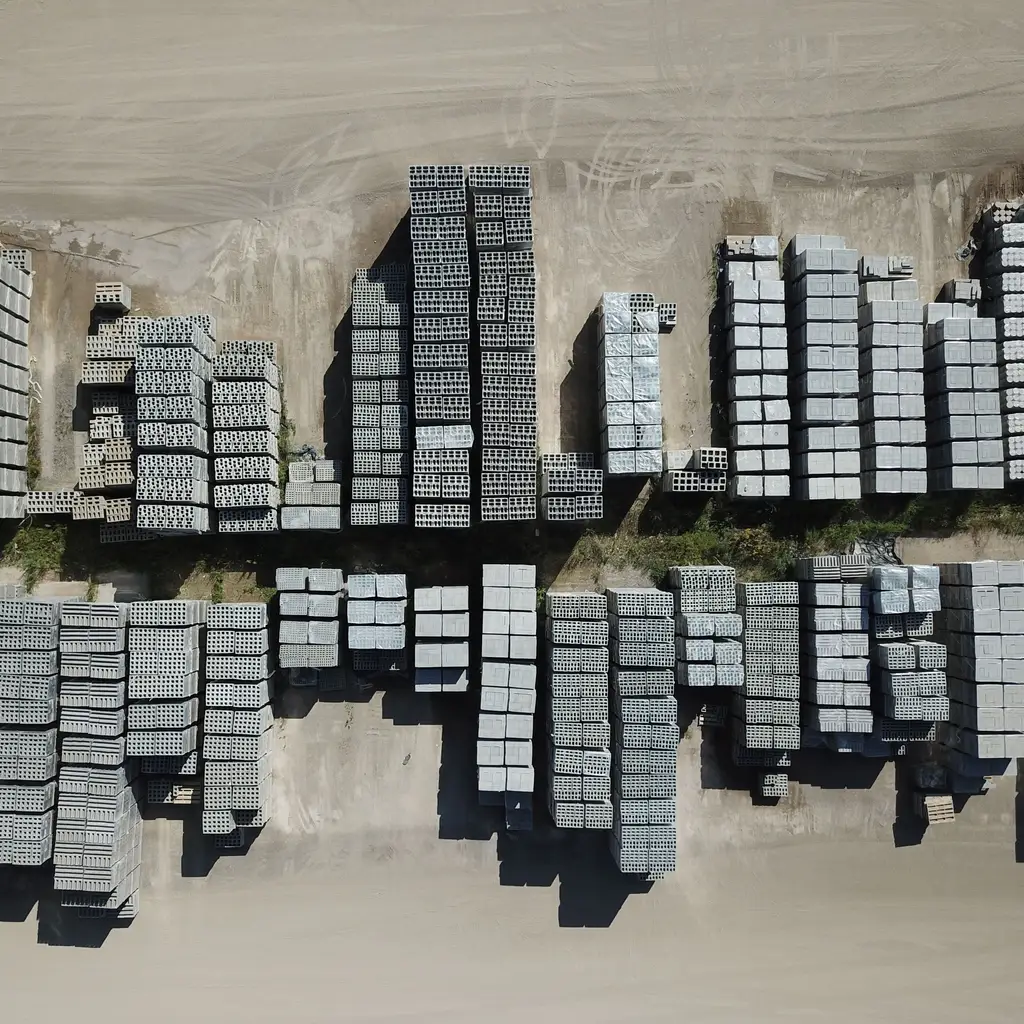
You supply masonry materials for construction projects, storing heavy pallets in your yard and moving them to sites with forklifts and trucks. Dropping a pallet can cause damage to a client's property or injure your staff, creating a need for both liability and physical damage protection.
The Southern Agency can review your yard stock, handling equipment and the way you deliver and place pallets. We can help distinguish truck or forklift liability from protection for the masonry and machines themselves, including outdoor storage and jobsite restrictions.
A shifting pallet or overturn can injure people, break masonry and damage the machine. Record stable storage, routes, and actual handling methods, then separate each injured person and property interest.
Placement can damage driveways, landscaping, structures or other trades' materials. Record whether the loss came from truck movement, a truck-mounted device or a separate forklift and what property was being handled or worked on.
Flatbed and boom-truck collisions or shifting loads can cause third-party injury and damage. The truck, carried masonry, and liability to others need separate coverage review.
Storms, rising water or handling can affect outdoor stock and yard improvements. Identify the actual cause and physical condition; flood, accidental breakage, gradual deterioration, and a buyer's rejection are not interchangeable.
A failed forklift, loader or conveyor can delay dispatch. Machine damage, replacement handling capacity, purchased interruption benefits, and contractor delay charges are separate costs.
Yard and driver crews can suffer back, hand or crush injuries while moving and placing masonry. Describe duties, employer and worker status, payroll and work states rather than assume every person on a site is your employee.
Policies to ask about. Which ones fit depends on your operations, your contracts, and the carrier’s forms.
These hypothetical examples are not agency claim results. Whether a loss is covered depends on the facts, policy terms, and applicable exclusions.
A boom truck cracks a homeowner's new driveway while placing pallets. Auto or general liability may help defend and pay a covered property-damage claim, depending on truck movement, the unloading device, and the affected property. Establish those facts against the auto, mobile-equipment and worked-on-property terms; neither policy promises all placement damage, broken bricks or contractor delay charges.
A loaded forklift overturns, injuring its operator and breaking stock. Workers' compensation may help with qualifying medical and wage benefits for an included employee. Included stock or mobile-equipment accident terms may help pay eligible masonry or forklift damage; those grants, interests, and causes are separate. The overturn is not by itself proof of an internal equipment-breakdown event.
Rising water from heavy rain damages staged masonry and yard improvements. If purchased flood terms include those outdoor interests and the cause, they may help pay eligible physical loss under their values and limits. A warehouse property limit does not establish that inclusion or payment of every cleanup bill; document the actual damage, not just the fact that a buyer rejected a wet load.
Start with the work you do and the questions your current policies leave unanswered. Carrier options depend on your location, risk, and underwriting. Explore our approach.
Confirm that the yard, masonry interest, and cause are included, with peak values and valuation. Wind, theft, flood, and handling breakage have different terms. Bring location, storage and damage records: a warehouse stock limit alone does not establish outdoor flood protection, and a chipped or rejected load needs evidence of an included cause.
Auto or GL may help defend and pay a covered third-party injury or property-damage claim. Establish whether the cause involved driving, a truck-mounted boom or a separate handling device, and what property was in custody or being worked on. Those facts and restrictions matter; a delivery contract does not make every placement loss insured under both policies.
Identify each machine, its value, duties, and where it operates. Direct mobile-equipment protection may help with eligible accident damage if included; liability for its operation is a different question. Compare overturn and off-site terms with the machine's use, then confirm stock protection separately. Truck insurance and a building-systems breakdown grant do not settle those questions.
The maximum value present can differ from the annual average as construction demand and purchasing change. Compare peak values, locations, valuation, and reporting or seasonal provisions before stock builds. Price changes, an unpaid contractor account and lost future sales are not the same as covered physical damage.
Workers' compensation may pay qualifying medical and wage benefits under the applicable state and policy rules. Report loading, yard, driving, placement, and maintenance duties, employers, and work states. A contractor or another trade's employee needs a status and liability assessment, not an assumption that your workforce policy covers everyone on site.
First confirm whether the forklift and cause fit the equipment-breakdown terms purchased. If included, eligible machine repair may be covered; purchased income or extra expense needs its own trigger, limits, and time terms. Ordinary maintenance, an overturn, and a stopped delivery schedule are different facts. Paying for a repair does not mean the insurer will reimburse a contractor's delay charge.
Bring your questions, current policies, and relevant contracts. An agent can review coverage terms, exclusions, and the information carriers ask for, then explain the options available to you.