

Fire spreads through the yard
Wood, packaging, and cutting debris can carry fire between stock and buildings.
Try a different word, or check the spelling.
Storing treated wood is not the same operation as treating it, even when both can lead to questions about the product. Your lumber insurance should reflect the work actually done, with outdoor stock condition, structural allegations, and boom-truck placement distinguished from guarantees or replacing rejected boards.
Talk with The Southern Agency about your operation, policy terms, and the information carriers need.
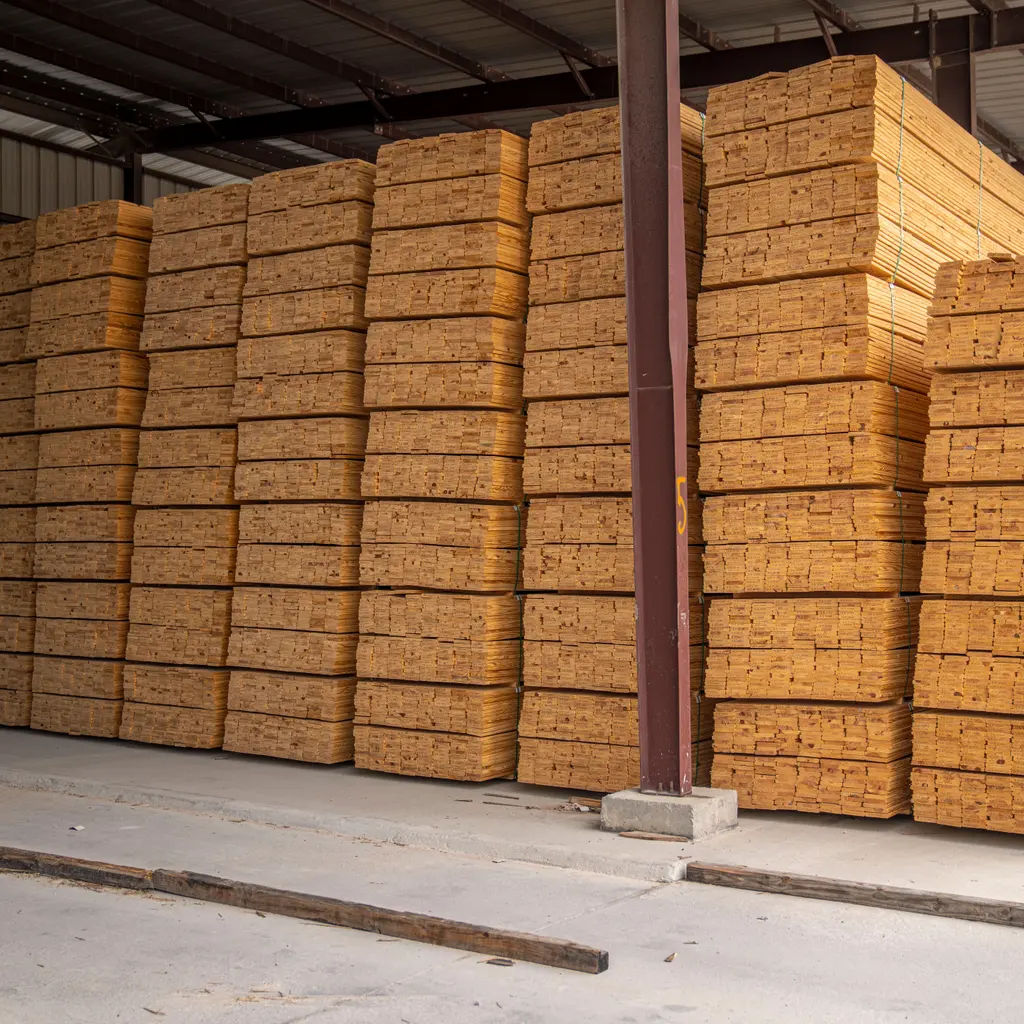
You supply builders with lumber and engineered wood products that are often stored outdoors before being placed at a job site by boom truck. A fire in your yard or a dropped load during delivery can cause substantial financial damage to your inventory and your customer's project.
The Southern Agency can help you review your storage and delivery practices to select suitable insurance. We can discuss the specific needs for your outdoor stock, the liabilities associated with boom-truck placement, and the distinctions between handling basic versus treated products.
Wood, packaging, and cutting debris can carry fire between stock and buildings.
Storm damage, wetting, warping, and decay have different policy treatment.
Forklifts and truck-mounted cranes expose staff, customers, and nearby structures.
A supplied structural product may be blamed for damage; treated-wood substances can create separate allegations.
Policies to ask about. Which ones fit depends on your operations, your contracts, and the carrier’s forms.
These hypothetical examples are not agency claim results. Whether a loss is covered depends on the facts, policy terms, and applicable exclusions.
Suppose fire spreads through stored bunks and stops dispatch. Property may help with insured stock and building damage at the agreed valuation; purchased qualifying income or extra expense has its own limits and restoration period. Replacing stock does not automatically reimburse every builder's delay demand.
Suppose a boom load slips during placement and injures someone or damages the customer's structure. Identify the employer, device, movement and property affected before comparing auto/mobile-equipment and GL terms. Own lumber, damage to the boom and another trade's injury are separate interests, not one automatic delivery claim.
Suppose a supplied engineered member is alleged to have caused damage to a building. Products liability may help defend a covered claim if it accepts the goods and any processing or advice. Replacing defective members, honoring strength promises and resulting damage to other property can receive different treatment.
Start with the work you do and the questions your current policies leave unanswered. Carrier options depend on your location, risk, and underwriting. Explore our approach.
Only under suitable yard-stock terms; outdoor weather and gradual deterioration need specific review.
Concentrated wood stock and ignition sources can allow fire to spread between bunks and buildings. Describe the actual layout, debris handling and protection arrangements, and compare stock values with the income interruption a single-yard loss could cause.
Potentially, depending on products, processing and release facts. Declare treatment separately if performed.
Road travel, lifting, and placement need coordinated equipment/auto/liability and cargo wording.
Suppliers can face allegations about products they distribute, including engineered members.
Use each actual contract; requested limits and insured status require policy acceptance.
Bring your questions, current policies, and relevant contracts. An agent can review coverage terms, exclusions, and the information carriers ask for, then explain the options available to you.