

Slabs tip or shatter
Rack, attachment and lifting failures can create crush injuries and multiple damaged slabs.
Try a different word, or check the spelling.
A slab can be broken inside a container that shows no outside damage, making packing and breakage terms important to your import. Stone-stock insurance should follow both ocean and inland stages, with rack interests, lifting, and any actual cutting or silica exposure considered separately.
Talk with The Southern Agency about your operation, policy terms, and the information carriers need.
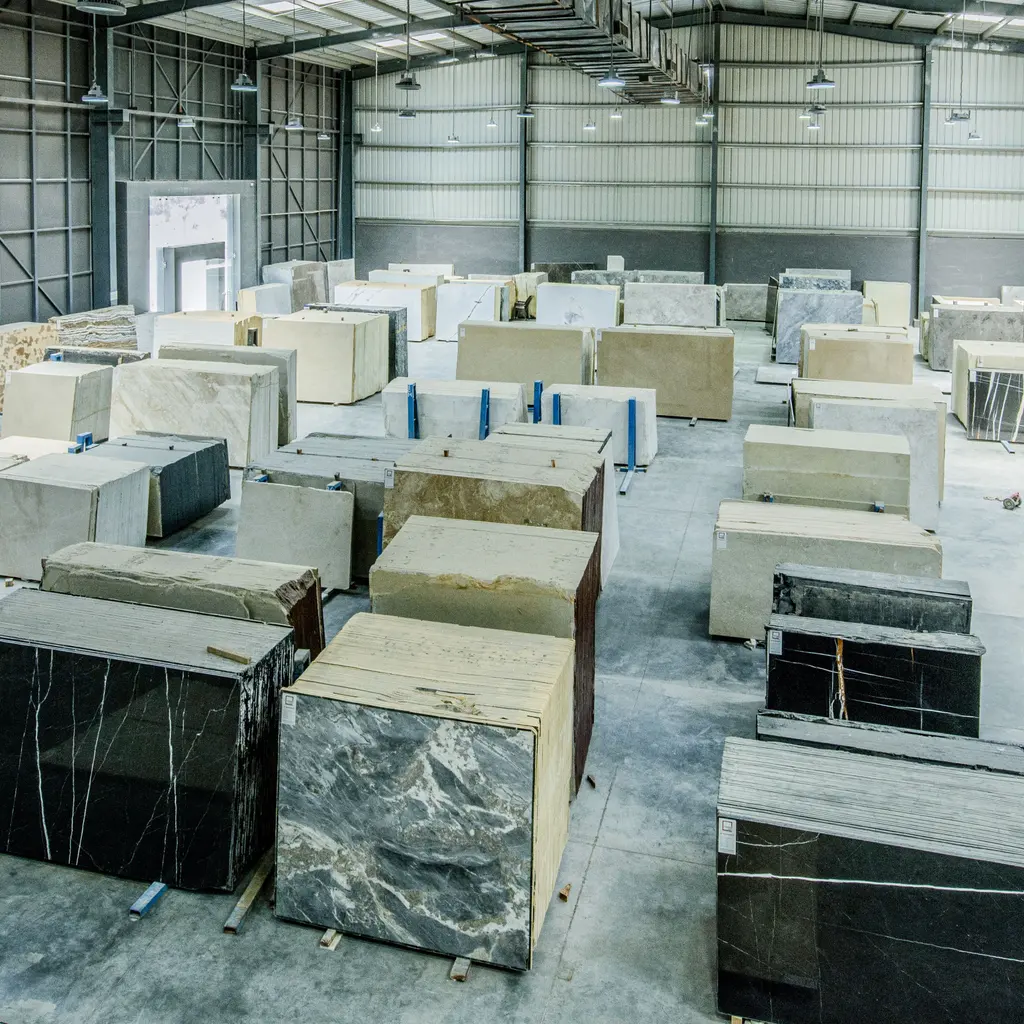
You warehouse and sell heavy stone slabs that require cranes or specialized racks for movement. A tipping slab can cause extensive property destruction or injury, while imported materials often raise unique cargo and valuation questions.
The Southern Agency can review your storage racks, lifting equipment, and import practices to help you select appropriate insurance. We can discuss liability for visitors, coverage for crane equipment and whether your transit terms adequately address slab breakage.
Rack, attachment and lifting failures can create crush injuries and multiple damaged slabs.
Containers and local deliveries can suffer breakage without visible external damage.
Silica-bearing materials can create exposure where cutting or other dust-generating work occurs; products and processes vary.
Showroom selections, yard movement, and heavy deliveries expose visitors and employees; flawed supplied slabs can also lead to claims.
Policies to ask about. Which ones fit depends on your operations, your contracts, and the carrier’s forms.
These hypothetical examples are not agency claim results. Whether a loss is covered depends on the facts, policy terms, and applicable exclusions.
Visitor injury and own-stock breakage need different policy analysis.
Packing, cargo route, ownership, and breakage conditions determine recovery.
Suppose an internal crane fault drops a slab and injures a visitor. Accepted stationary-breakdown terms may address a qualifying machine failure; the slab needs included stock/breakage terms and the visitor claim needs suitable operating liability. A paid crane repair does not establish payment for all resulting damage or injury.
Start with the work you do and the questions your current policies leave unanswered. Carrier options depend on your location, risk, and underwriting. Explore our approach.
Heavy upright loads create crush and breakage risks that depend on racks, attachments, and handling.
Only suitable international/inland cargo terms should be relied on, including packing and breakage conditions.
Silica content and dust-generating activities vary. Declare actual materials/processes and review employee and liability exclusions.
Qualifying stationary breakdown may help; racks, dropped loads, and mobile equipment are separate interests.
A supplier can face defect allegations, but replacing a flawed slab or correcting workmanship may be excluded.
GL may address covered visitor claims, subject to facts, equipment use, and exclusions.
Bring your questions, current policies, and relevant contracts. An agent can review coverage terms, exclusions, and the information carriers ask for, then explain the options available to you.