Skip to content

Chemical And Allied Product Wholesaler Insurance

A label error can follow your product into a customer's process. Review the resulting injury or damage separately from a rejected lot, a recall and your own spill cleanup.

The Southern Agency can help you align your property, product, and environmental insurance with the specific risks of chemical distribution.

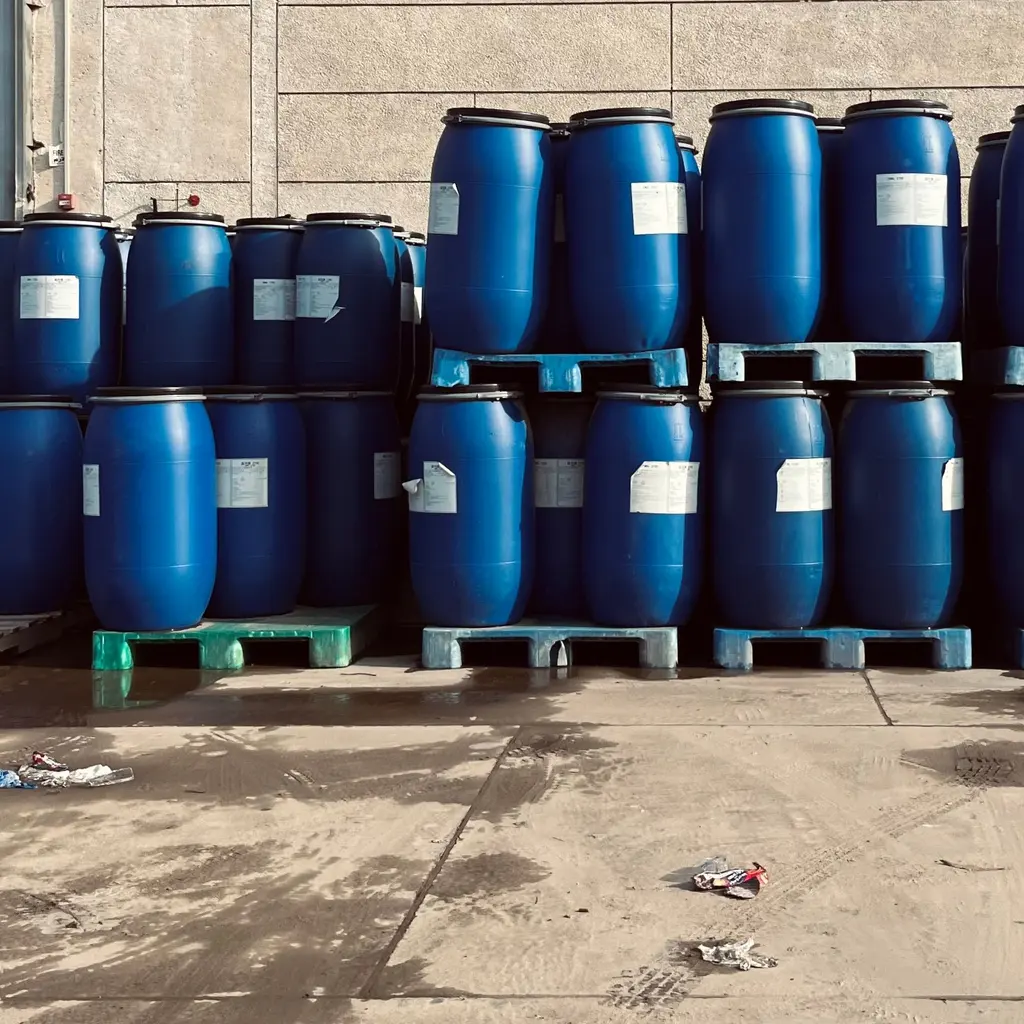
Sealed blue industrial drums stacked on pallets outside a warehouse.

Industry overview

You store and supply chemicals that may travel in drums, totes or bulk loads. A warehouse spill and an incorrect label that reaches a customer can create different claims, even when they involve the same product.

The Southern Agency can review your handling, storage, and delivery practices to help you select appropriate insurance, such as environmental liability for spill cleanup or product liability for the chemicals you sell.

Risks worth discussing

Pollution and spill liability

A leaking container or transfer accident can contaminate soil, water, or neighboring property. Cleanup at your warehouse, a release on the road, and pollution caused by a product at a customer's site can fall under different policy provisions.

Fire and reactive storage events

Some formulations can ignite or react when incompatible materials meet. The chemicals, concentrations, and quantities on hand affect the fire and reaction hazards; supplier safety data helps identify those differences.

Product liability from composition or labeling

A composition, label or safety-information error can injure a user or damage a customer's property. A rejected grade or failed batch without resulting harm raises a different question from that injury or damage claim.

Hazmat transport incidents

A collision or unloading accident can damage the truck, destroy its load, and release chemicals. Road liability, the lost goods, and pollution cleanup are separate interests even when one accident causes all three.

Worker chemical exposure injuries

Employees moving drums and totes can suffer strains or crush injuries. Chemical contact may also cause burns or inhalation illness, depending on the substance and task.

Regulatory and environmental compliance

Storage, labeling, transport, and environmental duties vary with the products and jurisdictions. Inspections and corrective work can add costs, but routine compliance expenses and regulatory penalties are not the same as an insured spill.

Coverage worth discussing

Policies to ask about. Which ones fit depends on your operations, your contracts, and the carrier’s forms.

Situations to think through

These hypothetical examples are not agency claim results. Whether a loss is covered depends on the facts, policy terms, and applicable exclusions.

  1. Hypothetical: Solvent fire contaminates the site

    A solvent fire damages the warehouse and stock, and contaminated runoff reaches nearby soil. Property insurance may help with covered building and stock damage. Environmental protection may help pay eligible investigation and remediation costs and address claims from others. Site history and reporting requirements still matter; routine treatment, permit upgrades, and penalties need separate review.

  2. Hypothetical: Tanker spill during delivery

    A delivery vehicle collides and releases chemicals onto the roadway. Auto liability may help with covered collision-related injury or property damage. Transport pollution protection, if purchased for that activity, may help with cleanup and related claims. Truck repair and the lost chemical load require their own coverage, and pollution caused by a supplied product after handoff needs separate review.

  3. Hypothetical: Mislabeled product injures a user

    A label error leads a customer to mishandle a compound and suffer injury. Product liability may help defend the claim and pay covered injury damages. Relabeling or replacing the chemical, recalling other lots, and paying fines or financial batch losses are separate questions.

Before you talk to an agent

What to have ready

Tick items as you gather them. Nothing here is saved or sent.

Questions to raise

  • A release can involve the warehouse, transfer area, road, waste site, or customer's premises. Compare those stages with the environmental policy's scope and product exclusions.
  • Composition, labels, and safety information matter to downstream users. Product injury, rejected lots, your own correction, and recall costs should not be treated as one loss.
  • The truck, chemical load, and cleanup each need attention. Trace carriers, loading, and acceptance points before relying on a transport limit.
  • Segregation, containment, suppression, and response records help explain the operation. They do not certify compliance or guarantee a price credit.
  • Review excess layers alongside their underlying policies and any income protection for a critical site. Cleanup discovery and claims-made liability may use different reporting rules; defense costs can also reduce the available pollution limit.

Contract terms to check

  • Review supplier, import and customer agreements for composition and labeling duties, indemnities, insurance limits, and insured-status requests. A manufacturer's policy does not necessarily protect your own seller or processing role; refund and performance promises are different from injury liability.
  • Allocate ownership and responsibility through storage, loading, carriage, and customer acceptance. Compare direct goods insurance with carrier liability and transport pollution. A carrier certificate does not amend the policies.
  • Bring leases, lender terms, waste-handler arrangements, and prior-condition disclosures. Compare cleanup discovery requirements with claims-made-and-reported liability where used, including retroactive dates, known conditions, consent, emergency notice, and extended reporting when changing cover.
  • Disclose chemical-use or formulation advice separately so defined services and professional restrictions can be reviewed. Product and pollution headings alone do not prove professional-service cover. Regulatory defense, routine compliance, upgrades, and penalties also require their own terms and legal-insurability review; insurance does not grant permits or certify compliance.

What the agent conversation looks like

Start with the work you do and the questions your current policies leave unanswered. Carrier options depend on your location, risk, and underwriting. Explore our approach.

  1. ListenReview your operations, current coverage, and past claims.
  2. AssessIdentify potential hazards and discuss ways to reduce risk.
  3. BuildDiscuss policy and carrier options, premium costs, and audits.
  4. SupportReview changes and help you plan ahead as your needs develop.

Questions owners ask

Does general liability cover a chemical spill?

GL pollution exclusions and exceptions can limit the response. Environmental insurance may help with cleanup and claims, but the location, activity, and release must fit its terms. Your cleanup costs and claims brought against you may have different discovery, claims-made, and reporting requirements.

Why is product liability important for a chemical wholesaler?

Composition, label or safety-information errors can lead to injury or damage claims against a seller. Products coverage may help with covered defense and damages. A rejected grade, your replacement costs, recall, and a customer's financial batch loss need separate review.

How are hazmat deliveries insured?

Auto liability addresses covered road claims, physical damage addresses the truck, goods insurance addresses the load and transport pollution addresses qualifying releases. Compare those protections with the substances, packaging, carriers, and loading stages involved. Verify transport obligations with qualified advisers rather than assume a universal insurance rule.

Are workers handling chemicals covered if injured?

Workers' compensation may help with qualifying medical and wage benefits for work-related injury or illness. Employer, worker status, duties, and work states matter. Someone else's contractor is not necessarily covered by your workforce policy.

Should a chemical wholesaler carry excess limits?

Excess insurance may add liability limits, but only above the policies and claims it covers. Compare contracts and potential losses with the underlying and excess terms together. A pollution exclusion can leave a release outside that layer, regardless of its stated limit.

How does regulatory compliance affect coverage?

Safety data, containment, segregation, training, and inspection records help explain the operation to an insurer. They do not guarantee a discount or coverage, and insurance is not compliance certification. Routine treatment, upgrades, regulatory defense, and penalties need separate policy and legal review.

Talk through your chemical and allied product wholesaler coverage

Bring your questions, current policies, and relevant contracts. An agent can review coverage terms, exclusions, and the information carriers ask for, then explain the options available to you.

How can we help you get started?

Choose the quote that fits, and we’ll take it from there.

Have a question? Contact us