

Solvent stock ignites
The actual formulation and quantity influence fire and ventilation needs.
Try a different word, or check the spelling.
A color or adhesion complaint can mean repainting costs without the same claim as damage to a customer's other property. Your coatings insurance needs the actual tinting, advice, and formulations considered, with solvent or water-based stock and releases distinguished from a guaranteed finish.
Talk with The Southern Agency about your operation, policy terms, and the information carriers need.
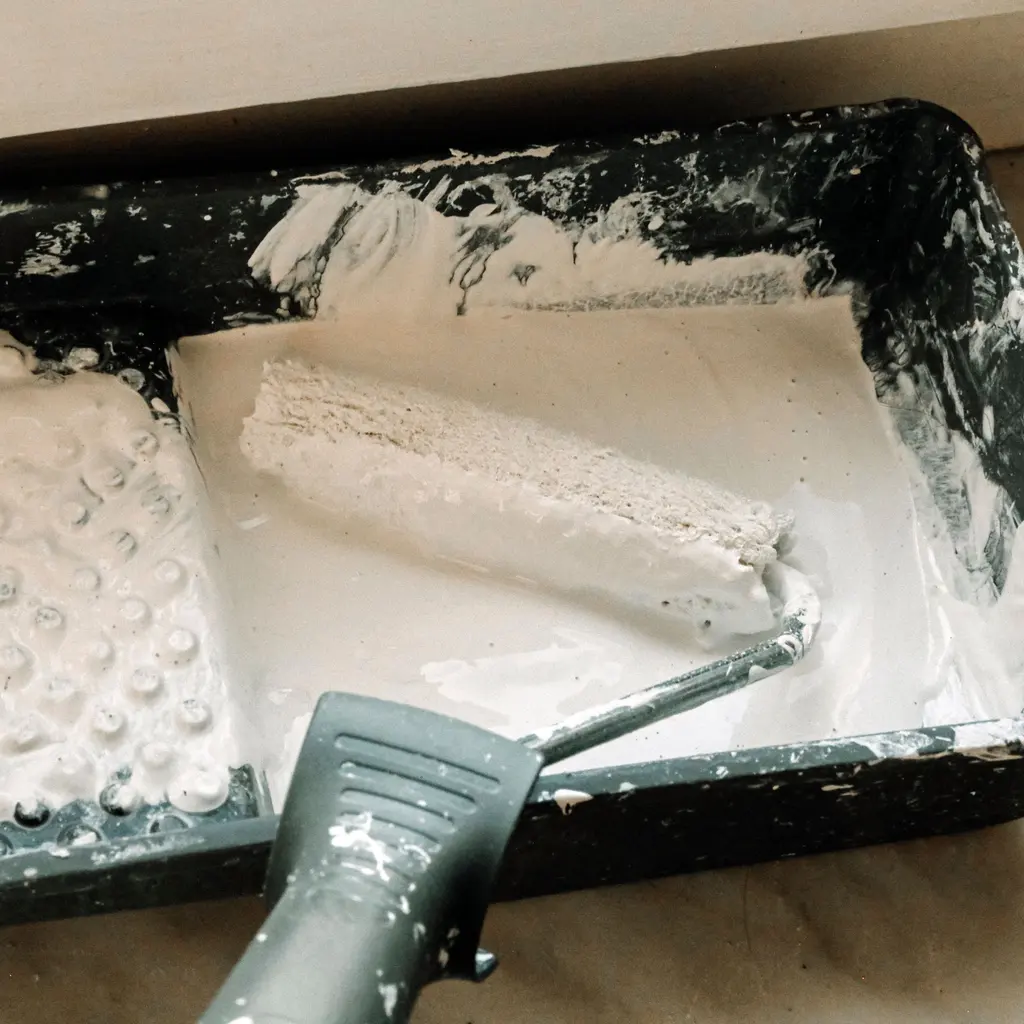
You supply various coatings and primers, often using tinting equipment to fulfill orders before dispatch. Storing flammable solvents alongside water-based paints creates a range of warehouse risks, while a bad color mix can lead to customer demands for repainting that fall outside standard coverage.
The Southern Agency can review your facility, mixing processes, and product range to help select insurance appropriate for your operations. For example, we can help assess whether your liability policy addresses resulting damage from mixing errors versus the specific environmental protections needed for spills.
The actual formulation and quantity influence fire and ventilation needs.
Ruptured containers can create slip, contamination, and cleanup costs.
Color, adhesion and compatibility disputes can involve rework or damage to other property.
Fumes, heavy pails, and road transport create employee, auto, and cargo risks.
Policies to ask about. Which ones fit depends on your operations, your contracts, and the carrier’s forms.
These hypothetical examples are not agency claim results. Whether a loss is covered depends on the facts, policy terms, and applicable exclusions.
A warehouse fire damages solvent-based coatings and the tinting area. Property may help restore insured stock and equipment after a covered fire; purchased income terms may address the interruption. Actual formulations, quantities and storage conditions matter, separately from cleanup or replacement of an incorrectly mixed batch.
A drum leaks coating into a drain and the distributor must arrange a response. Environmental terms may help with included cleanup or third-party claims for the substance, site and release. Use the required reporting and consent arrangements; routine waste handling, upgrades and fines are not the same expense.
A contractor applies the wrong tint supplied by the distributor and demands labor and materials to repaint. With no injury or other-property damage established, the demand is not automatically a covered products claim. Any offered manufacturers or distributors E&O must fit the tinting work and financial loss; refunds and a guaranteed color match still need explicit terms.
Start with the work you do and the questions your current policies leave unanswered. Carrier options depend on your location, risk, and underwriting. Explore our approach.
The product mix and storage influence underwriting; flammability should not be assumed for all coatings.
Review releases and substances against pollution exclusions and environmental protection.
A mistake can create liability, but repainting, faulty-product replacement, and pure economic loss may not be covered.
Coordinate declared auto use, cargo, and transport pollution; one fleet limit is not every interest.
Declare inhalation, skin, and lifting duties for employee protection under applicable rules.
Qualifying property and income terms may help; limits and restoration periods govern different costs.
Bring your questions, current policies, and relevant contracts. An agent can review coverage terms, exclusions, and the information carriers ask for, then explain the options available to you.