

Chemical escapes storage or delivery
A container or transfer failure can affect soil, water, and neighboring land.
Try a different word, or check the spelling.
A farmer's claim about a damaged crop can differ from a complaint that an input failed to deliver the promised yield. Your supply insurance should distinguish physical product liability from advice or performance guarantees, with actual blending, chemicals, and any application work disclosed.
Talk with The Southern Agency about your operation, policy terms, and the information carriers need.
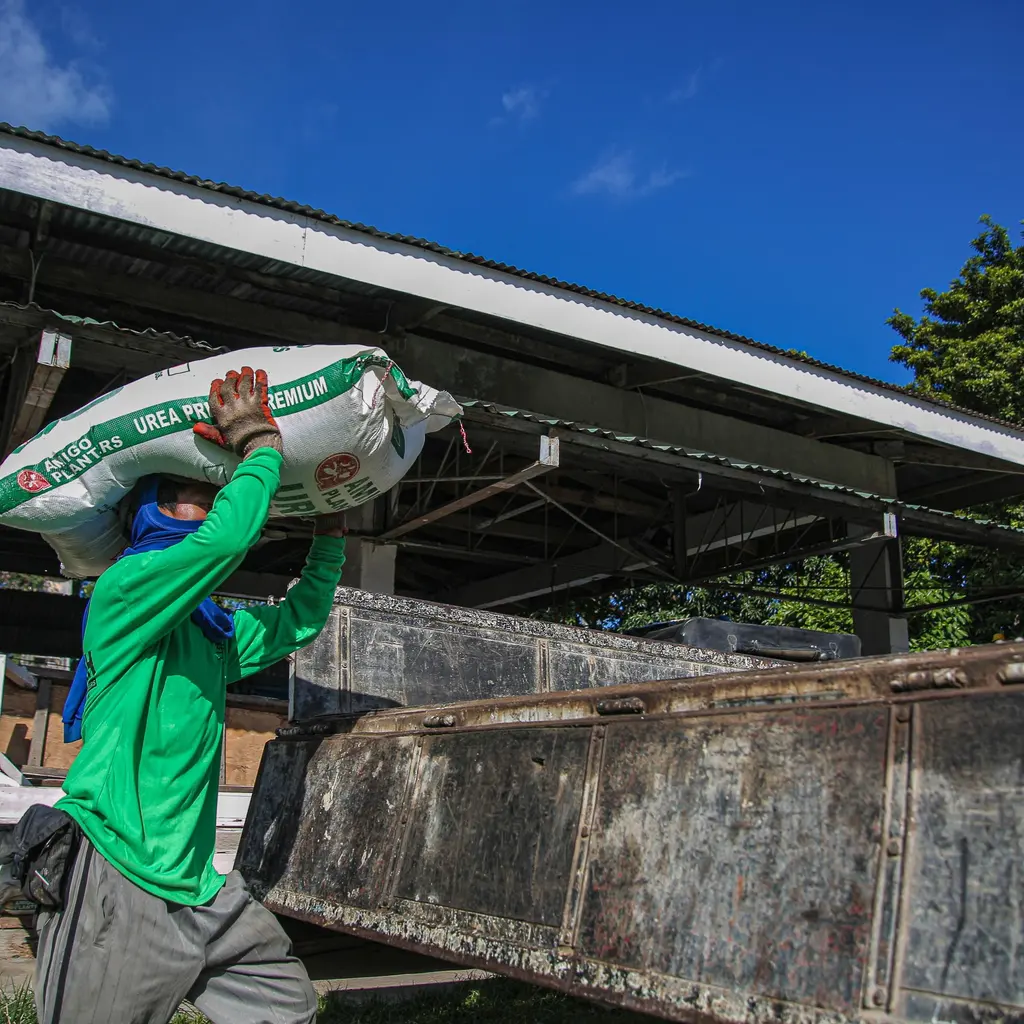
You sell and deliver agricultural inputs like fertilizer, where a chemical spill or mislabeled product could result in environmental cleanup costs or claims for damaged crops.
The Southern Agency can review your blending and delivery operations to help you select insurance covering environmental, product liability, and business vehicle risks.
A container or transfer failure can affect soil, water, and neighboring land.
Mislabeling, contamination, or advice can lead to crop or livestock allegations.
Certain fertilizers or chemicals require particular fire controls; seed/feed can deteriorate from moisture or pests.
Demand peaks bring delivery journeys, heavy bags, bulk totes, and employee chemical contact.
Policies to ask about. Which ones fit depends on your operations, your contracts, and the carrier’s forms.
These hypothetical examples are not agency claim results. Whether a loss is covered depends on the facts, policy terms, and applicable exclusions.
A bulk fertilizer tank leaks and contaminates soil beside the warehouse. Environmental terms may help with covered cleanup or third-party claims if the substance, site and release fit. Review prior conditions and reporting or consent before assuming every excavation, normal containment upgrade or regulatory expense is insured.
A mislabeled input is applied to a customer's field and plants are physically damaged. Product terms may help with an accepted crop-damage claim, while selection advice and any application work require their own scope review. Separate damaged crops from a product that merely failed to deliver a promised yield, replacing the input or refunding the order.
A seasonal delivery truck collides with another vehicle while carrying bags and chemical totes. Auto may help with covered injury or damage to others and separately selected truck damage. Determine whether the load was damaged or released, then review insured cargo and transport-pollution terms rather than treating the truck's liability limit as protection for every interest.
Start with the work you do and the questions your current policies leave unanswered. Carrier options depend on your location, risk, and underwriting. Explore our approach.
Actual fertilizers, pesticides, or other materials can create releases excluded by GL. Suitable terms must accept the declared substances and activities.
Potentially, depending on fault and duties. Physical crop/livestock damage, product inefficacy, and advice allegations can receive different treatment.
Declare seasonal vehicles, drivers, and uses. Cargo, loading, and release interests need coordinated but distinct terms.
For particular products, yes. Do not assign one explosive hazard to every fertilizer; provide actual composition and storage details.
Suitable terms may cover specified causes, but pests, moisture, gradual deterioration, and ineffective seed are not automatically insured.
Applicable compensation can address occupational injury, with materials, duties, and jurisdictions confirmed.
Bring your questions, current policies, and relevant contracts. An agent can review coverage terms, exclusions, and the information carriers ask for, then explain the options available to you.