

Stored polymers burn
Product composition, packaging, and storage configuration affect fire spread.
Try a different word, or check the spelling.
The wrong resin can mean rejected production for your buyer without the same loss as damage caused to other goods. Plastics product and transit terms should distinguish those consequences, with repacking, contamination and changing stock values addressed rather than treating defective material or price decline as cargo damage.
Talk with The Southern Agency about your operation, policy terms, and the information carriers need.
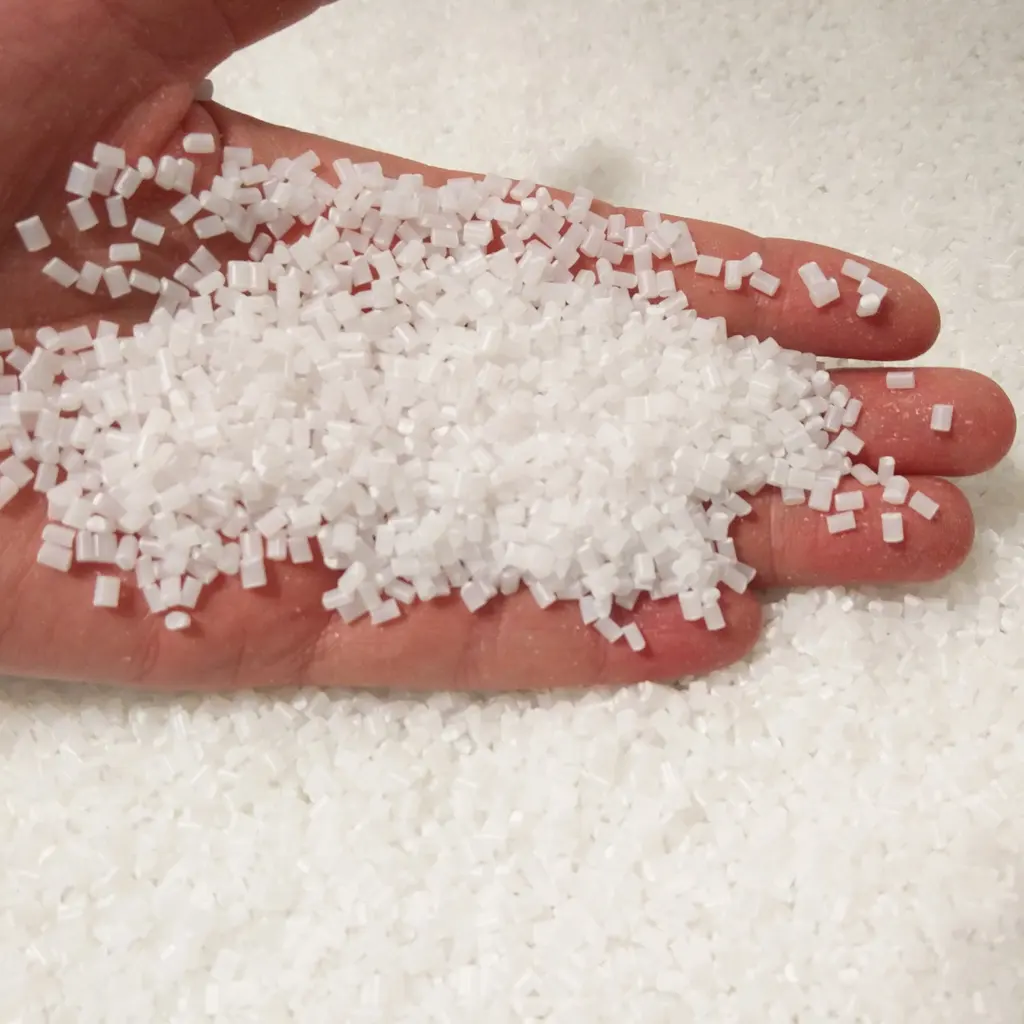
You supply resin pellets, film, and sheets to manufacturers, often handling bulk storage and repacking. If a fire damages your inventory or a mislabeled shipment leads to defective production at a customer's facility, you could face significant financial loss.
The Southern Agency can review your storage, handling, and delivery operations to help you select appropriate insurance. We can evaluate how your policies cover physical stock damage versus potential claims for processing errors or contamination during transit.
Product composition, packaging, and storage configuration affect fire spread.
Wrong material can damage downstream goods or cause financial rejection and rework costs.
Bulk containers and rolls can fall or be punctured during repacking and staging.
Transit damage and ordering breaches can stop deliveries; resin prices also change stock values.
Policies to ask about. Which ones fit depends on your operations, your contracts, and the carrier’s forms.
Ready to compare options?
Get a quote for Plastics Materials and Basic Forms Distributor Or call 1-800-777-1TSAThese hypothetical examples are not agency claim results. Whether a loss is covered depends on the facts, policy terms, and applicable exclusions.
A warehouse fire spreads through packaged plastic film and damages racking and stock. Property may help with covered repairs and goods loss at the agreed valuation, with interruption addressed by purchased income terms. Report actual polymer storage and peak values; a commodity-price decline is not physical damage.
A mislabeled resin lot enters a customer's molding run and the buyer seeks payment for unusable finished parts and downtime. Establish what property was damaged and whether the loss is rejected production or qualifying loss of use. Review product and impaired-property terms and any offered financial-loss protection separately from replacing your resin or honoring a grade guarantee.
A forklift punctures bulk bags and resin pellets spill across the loading area. Suitable property or goods terms may help with covered stock damage if the owner, location and handling cause fit. Salvage, contamination, drain cleanup and routine disposal have different restrictions; not every spilled pellet is automatically a pollution claim.
Start with the work you do and the questions your current policies leave unanswered. Carrier options depend on your location, risk, and underwriting. Explore our approach.
The polymer, packaging, and storage mix affects fire exposure; describe it accurately for underwriting.
You can face allegations, but damage, rework, wasted production, and pure economic loss have different policy treatment.
Only suitable transit terms for the material, ownership, and cause should be relied on.
Declare handling, repacking, and forklift duties for employee protection under applicable rules.
Keep values and valuation basis current; commodity price loss itself is not insurance damage.
Online orders and account data can create privacy and interruption exposure under appropriate cyber terms.
Bring your questions, current policies, and relevant contracts. An agent can review coverage terms, exclusions, and the information carriers ask for, then explain the options available to you.