

Spontaneous combustion in stockpiles
Heat can build within susceptible material held in a pile and lead to a fire. The material and storage conditions matter; coal and different ores should not all be treated as having the same self-heating hazard.
Try a different word, or check the spelling.
Coal and different ores do not all behave alike in a stockpile, whether the concern is heating, dust, or runoff. Your yard protection needs the actual material and handling method, with commodity damage, machinery repair and transport or pollution duties distinguished from routine compliance.
The Southern Agency can help you review coverage for your bulk material stockpiles, loading machinery, and transit operations.
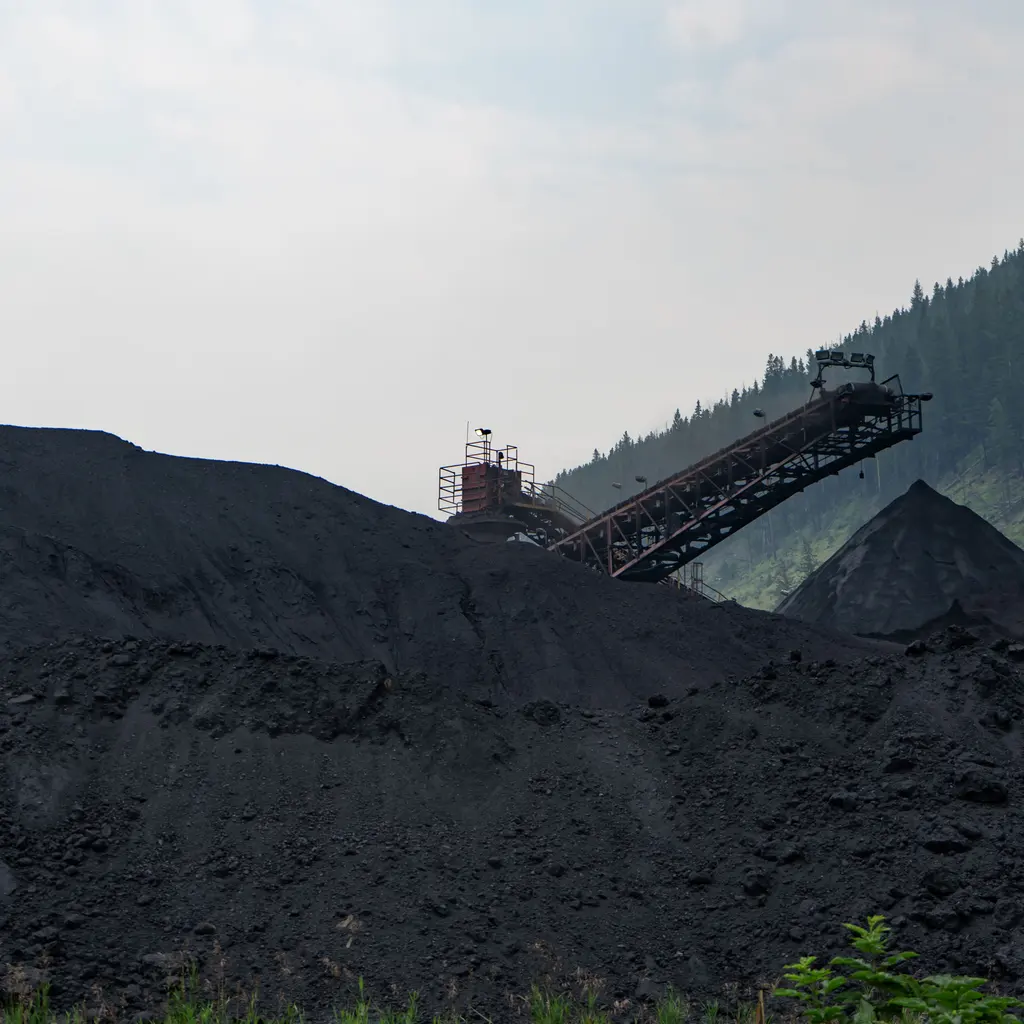
You supply bulk materials like coal or ore to industrial customers, managing stockpiles and heavy loading equipment. If a fire breaks out in your yard or a vehicle accident occurs during transit, you may face significant inventory loss or liability claims.
The Southern Agency can help you review the commodities, stockpiles and loading machinery at your yard, then trace the truck, rail or barge movements you use. We can compare self-heating and resulting-fire terms with road liability, direct protection for the material and pollution duties.
Heat can build within susceptible material held in a pile and lead to a fire. The material and storage conditions matter; coal and different ores should not all be treated as having the same self-heating hazard.
Coal and some other fine materials can form combustible dust clouds. Other mineral dust may pose a health hazard without being combustible. Handling methods, dust controls, and the material itself determine the exposure.
Runoff can carry contaminants from a stockpile into soil or water. The yard may face cleanup bills and claims from neighbors affected by the contamination.
A failed conveyor or crusher can leave material in the yard while repairs delay loading. The business may face both a repair bill and lost sales while customers wait for material.
A heavy load can shift or spill during a truck, rail, or barge movement. Damage to the material, damage to a vehicle or vessel, injury claims, and pollution cleanup need different insurance arrangements.
Loaders, moving conveyors, and unstable piles can injure employees working around the yard. Dust exposure can also cause health problems; confined-space work adds another hazard where it is performed.
An inspection can require changes to how material is stored or runoff is controlled, and a violation may bring penalties. These compliance costs are different from repairing damage or cleaning up a release after an accident.
Policies to ask about. Which ones fit depends on your operations, your contracts, and the carrier’s forms.
Ready to compare options?
Get a quote for Coal and Other Mineral and Ore Distributor Or call 1-800-777-1TSAThese hypothetical examples are not agency claim results. Whether a loss is covered depends on the facts, policy terms, and applicable exclusions.
A coal pile self-ignites and the fire damages loading equipment and structures. Property insurance may help pay for repairs and insured stock lost in the fire. The treatment of self-heating, outdoor inventory and the spread of fire determines which parts of the loss are covered.
Stormwater carries material from the yard into a creek, and a regulator orders cleanup. Environmental insurance may help pay covered cleanup costs, subject to its reporting and consent requirements. Fines and routine drainage improvements are different expenses from cleaning up the release.
A primary conveyor breaks down during peak shipping, leaving repair costs and delayed loads. Equipment breakdown insurance may help pay for repairs if the failure qualifies as an insured breakdown. Income protection must also be included for a claim for lost earnings; replacing worn parts may remain a business cost.
Start with the work you do and the questions your current policies leave unanswered. Carrier options depend on your location, risk, and underwriting. Explore our approach.
It depends on both the cause of the damage and how the stock is insured. Ask the agent to explain the treatment of self-heating and a fire that spreads to other stock or equipment. The yard location, outdoor inventory limit, and valuation method also affect a claim; the inventory total alone does not answer the question.
Contaminated runoff can leave the business with creek or soil cleanup costs as well as claims from others. Environmental insurance may help with covered costs, but the locations and pollution conditions it covers must fit the yard. Cleanup and compliance improvements should be treated as different expenses.
General liability contains pollution exclusions that can prevent it from paying for a yard release or contamination claim. A separate pollution policy may address those losses. Tell the insurer about suspected contamination promptly: the policy can require reporting a discovered condition even before anyone makes a claim. Earlier contamination and transport provisions can also affect protection.
Property insurance and equipment breakdown serve different purposes: a fire damaging a conveyor is not the same as an internal mechanical failure. Breakdown coverage may help with a qualifying failure, while routine wear replacement is a separate expense. Check the listed machinery and any income protection, especially for mobile loaders.
Each mode changes who holds the material, who transports it, and who bears the risk of loss. Insurance for the distributor's goods differs from a carrier's liability for them. Map truck, rail and barge legs, loading and storage before choosing cargo or marine protection; truck physical-damage coverage protects the truck, not the load.
Workers' compensation may provide benefits for a qualifying occupational illness, not only a sudden accident. State rules, employment duties, and the medical facts determine the claim. A dust incident involving neighbors or visitors is a different liability issue from an employee's illness.
Bring your questions, current policies, and relevant contracts. An agent can review coverage terms, exclusions, and the information carriers ask for, then explain the options available to you.