

Incoming material starts a fire
Batteries, sealed containers, or combustible fractions can ignite during storage or processing.
Try a different word, or check the spelling.
The value of the recovered material in your yard can fall while it remains physically intact, and a processing jam is not necessarily a breakdown. Scrap insurance should distinguish those operating costs from insured stock or machinery damage, with actual intake, hauling, and destination duties accepted.
Talk with The Southern Agency about your operation, policy terms, and the information carriers need.
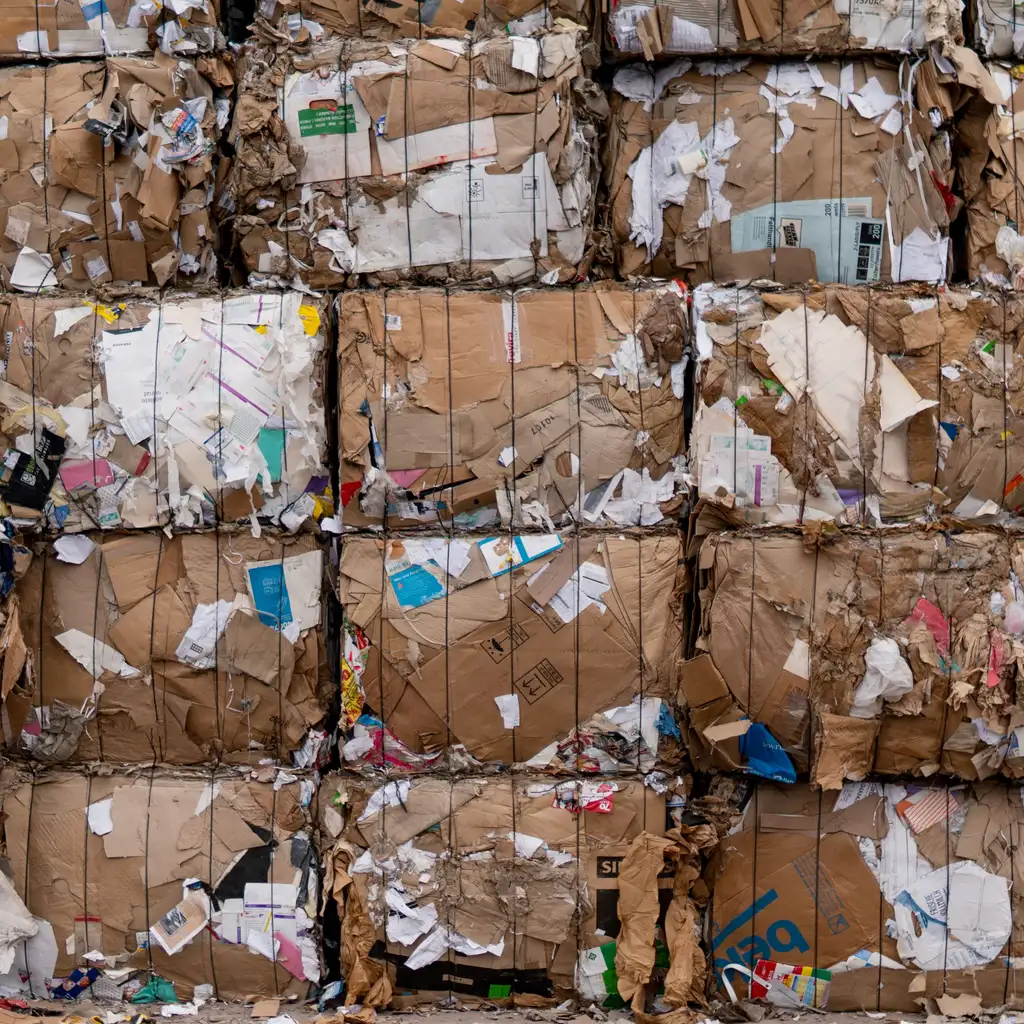
You collect, sort, and process materials like metal and plastic, sometimes shredding or baling them for dispatch. A hidden hazard in a load can cause fire, while contaminated runoff from your facility can lead to regulatory cleanup demands.
The Southern Agency can review your intake, processing, and disposal methods to help you select appropriate insurance. We can assess how your general liability and environmental coverage address the risks of processing recovered materials versus standard warehouse operations.
Batteries, sealed containers, or combustible fractions can ignite during storage or processing.
Accepted scrap and equipment can introduce fuel, oils, and other substances.
Balers, loaders, and public buy-back traffic create different worker/visitor exposures.
Commodity values change while machinery failure or hauling damage can interrupt shipments.
Policies to ask about. Which ones fit depends on your operations, your contracts, and the carrier’s forms.
These hypothetical examples are not agency claim results. Whether a loss is covered depends on the facts, policy terms, and applicable exclusions.
A battery hidden in incoming material ignites during handling and fire spreads to baled paper. Property may help with covered damage to the declared recovered stock and processing assets. Intake controls, pile locations, stock ownership and fire conditions need review; cleanup of contaminated runoff is a separate environmental question.
A loader's hydraulic line leaks and fluid reaches a storm drain before containment. Environmental terms may help with eligible cleanup if the equipment use, site, substance and release qualify. Report the route and affected areas promptly; repairing the loader and replacing lost fluid are different costs from cleanup.
A member of the public bringing scrap to sell is struck by a loader near the scale. Liability terms may address a covered injury claim based on the yard activity, equipment classification and facts. The visitor's claim is distinct from workers' compensation for your crew or damage to the seller's load.
Start with the work you do and the questions your current policies leave unanswered. Carrier options depend on your location, risk, and underwriting. Explore our approach.
Mixed combustibles and hidden ignition sources can spread losses; risk depends on the actual materials and handling.
Pollution exclusions can restrict runoff and fluid claims; environmental scope should match the yard.
GL may address covered visitor claims, distinct from employee injury and cargo interests.
Qualifying machinery failures may trigger repair/income terms; wear and ordinary maintenance remain separate.
Road vehicles, cargo, and off-road loaders require coordinated terms, not one auto assumption.
Review insured values and valuation basis periodically; a falling sale price itself is not covered damage.
Bring your questions, current policies, and relevant contracts. An agent can review coverage terms, exclusions, and the information carriers ask for, then explain the options available to you.