

Heavy units fall
Forklift handling, racking and loading can damage units or injure workers and visiting contractors.
Try a different word, or check the spelling.
Your furnace inventory and refrigerant cylinders can need different property and release terms before a contractor collects them. HVAC distribution insurance should distinguish supplied-product allegations from stock damage, with the actual refrigerants and warehouse handling systems identified rather than assumed covered by the truck policy.
Talk with The Southern Agency about your operation, policy terms, and the information carriers need.
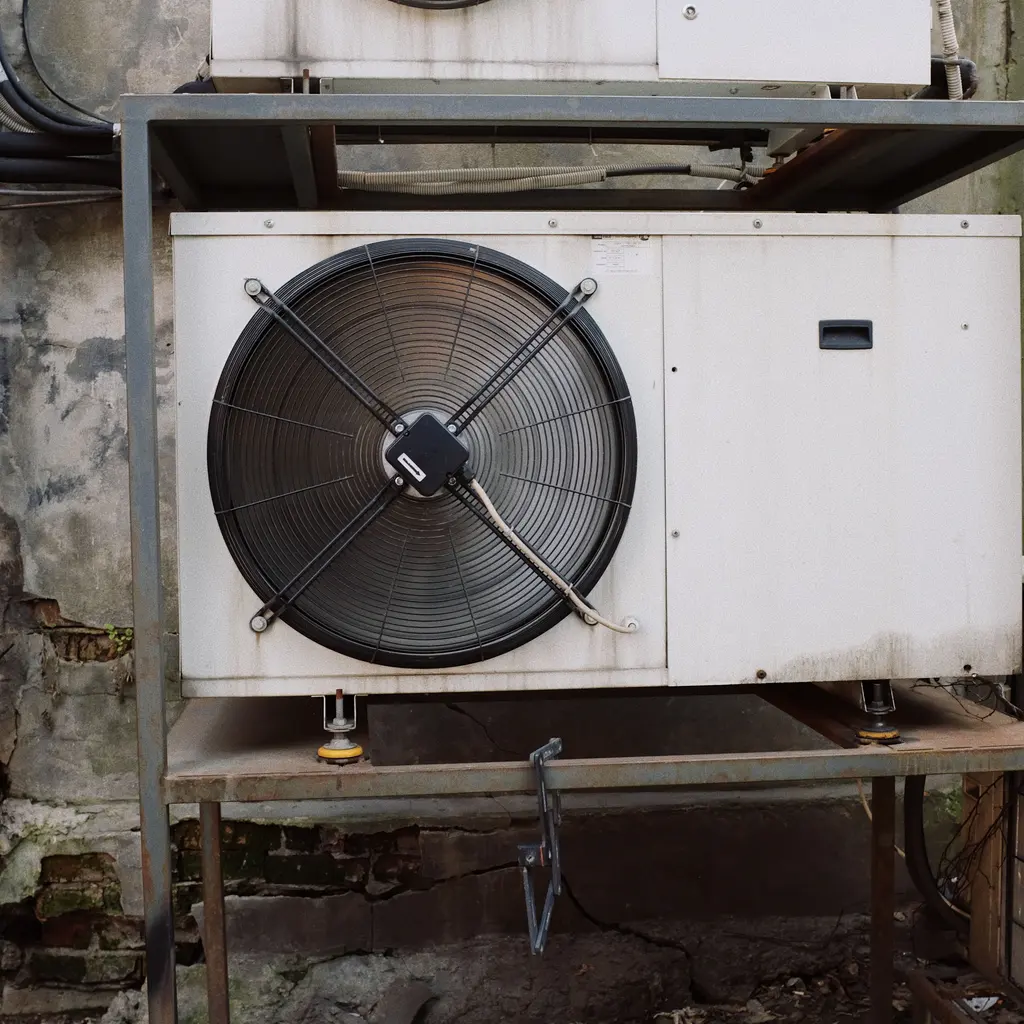
You manage the storage and delivery of heavy HVAC equipment, such as furnaces and refrigerant cylinders, to your contractors. Handling these items is physically demanding, and a product that is alleged to have caused a fire after delivery can lead to a long-tail claim.
The Southern Agency can review your equipment inventory and delivery process to help you select appropriate insurance. We can discuss how your product liability coverage may apply to equipment claims versus the physical damage risks associated with moving these heavy units.
Forklift handling, racking and loading can damage units or injure workers and visiting contractors.
Fire or carbon-monoxide allegations can involve distributors as well as manufacturers.
A cylinder leak can cause injury and response costs, depending on the refrigerant and circumstances.
Warehouse losses, shifting loads, and failed handling systems can delay contractor orders.
Policies to ask about. Which ones fit depends on your operations, your contracts, and the carrier’s forms.
Ready to compare options?
Get a quote for Heating and Air-Conditioning Equipment Distributor Or call 1-800-777-1TSAThese hypothetical examples are not agency claim results. Whether a loss is covered depends on the facts, policy terms, and applicable exclusions.
A refrigerant cylinder leaks in the warehouse, prompting evacuation and an injury allegation. Identify the actual gas, cause, affected people and response work. Applicable liability or environmental terms may help with covered claims or response; lost refrigerant, routine repairs and employee injury involve separate terms.
A customer alleges a furnace supplied by your business caused a building fire. Product liability may help defend the distributor and pay covered resulting damage. Preserve the supplied unit, installation and startup records; correcting the furnace, meeting its warranty and recalling similar units are different expenses.
Condensers shift on a delivery flatbed and several units are damaged before contractor acceptance. Cargo or transit terms may help repair or replace insured units if loading, securement, cause and ownership fit. Auto liability and truck physical damage do not by themselves insure the condensers.
Start with the work you do and the questions your current policies leave unanswered. Carrier options depend on your location, risk, and underwriting. Explore our approach.
Review the cause and policy. Property damage, refrigerant loss, injury, and environmental response are different interests.
A supplier can be named in a fire or injury claim even when it did not manufacture the unit.
Use suitable cargo/transit terms for loading and transport; auto alone does not protect the units.
Read each agreement for limits, indemnities, and insured status; no standard request guarantees availability.
It can address qualifying warehouse-system failures. Wear, stock-unit defects, and ordinary delays remain separate.
Values, protection, refrigerant mix, handling, and services inform underwriting; no fixed rate is implied.
Bring your questions, current policies, and relevant contracts. An agent can review coverage terms, exclusions, and the information carriers ask for, then explain the options available to you.