

Staged stock is damaged
Owned and entrusted lots can be exposed at temporary or third-party locations.
Try a different word, or check the spelling.
Closeout stock can move quickly through temporary storage. Review who bears the loss at each handoff, including deals where you never take title.
Talk with The Southern Agency about your operation, policy terms, and the information carriers need.
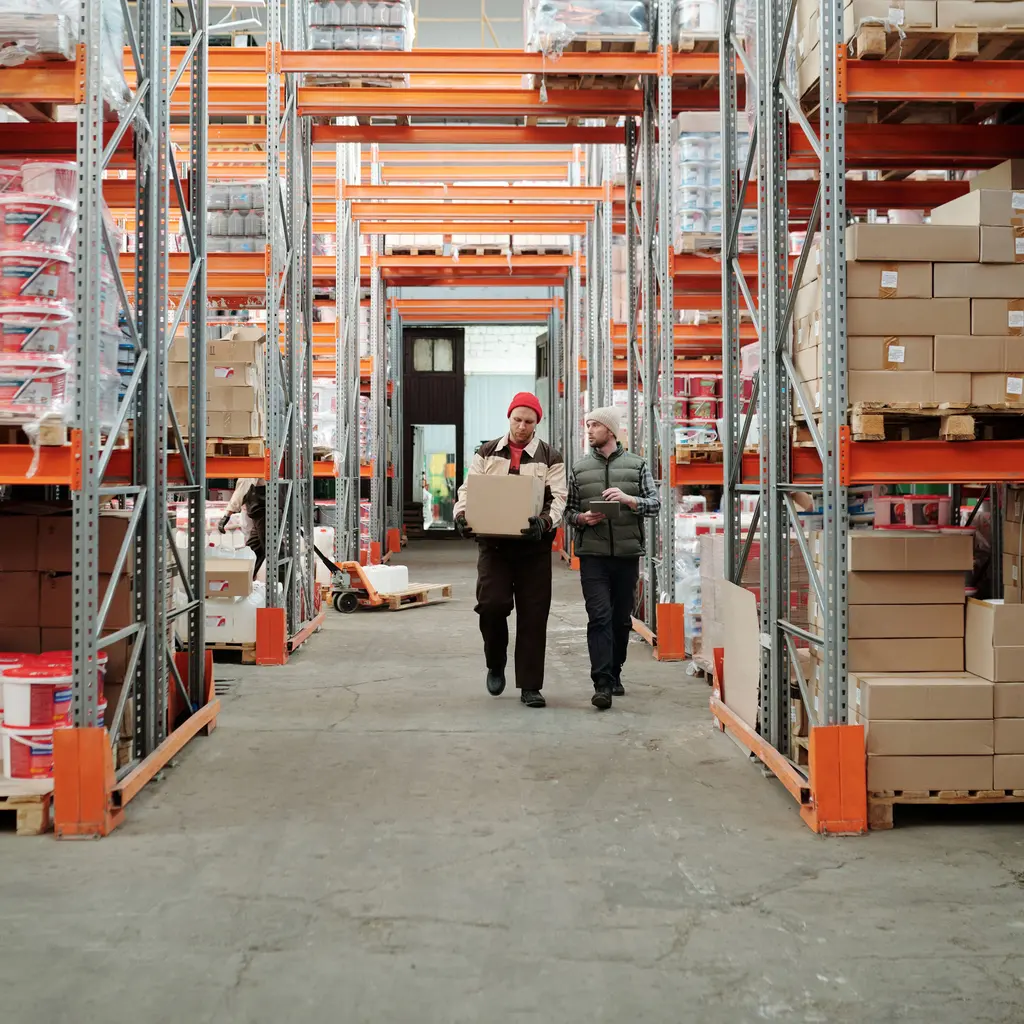
You facilitate the trade of returned or closeout merchandise, sometimes staging it in warehouses and other times arranging direct shipping. You face risks ranging from fire loss in leased storage to liability for the condition of the goods you sell.
The Southern Agency can review your brokerage model and supply chain to help you select appropriate insurance. We can discuss coverage for your staged inventory and whether your product liability policies account for the risks of reselling returned merchandise.
Owned and entrusted lots can be exposed at temporary or third-party locations.
Unknown condition, recall status, and expired goods need screening before resale.
Quantity, authenticity, and condition promises can lead to pure financial claims.
Cargo theft, rapid value decline, and exposed transaction data affect separate business interests.
Policies to ask about. Which ones fit depends on your operations, your contracts, and the carrier’s forms.
These hypothetical examples are not agency claim results. Whether a loss is covered depends on the facts, policy terms, and applicable exclusions.
A returned appliance is resold and later allegedly injures its user. Product protection depends on the goods accepted and what was known about their condition, including defect and recall exclusions.
A burst pipe damages closeout pallets at a temporary warehouse. Review whether that site and your interest in the goods are included, and how the policy values discounted stock.
A purchased closeout load is stolen before delivery to your buyer. Ownership at the time of theft, the insured route and security conditions determine the transit question.
Start with the work you do and the questions your current policies leave unanswered. Carrier options depend on your location, risk, and underwriting. Explore our approach.
A reseller can be named, but the form must accept surplus categories and known-defect/recall conditions matter.
Suitable property terms need the location, interest, and valuation, including temporary staging.
Cargo/transit must follow ownership and shipping stages, including direct shipments.
Yes, and resale may be prohibited. Insurance is not permission to sell recalled goods or a guarantee of defense.
Title-taking creates stock interests; some surplus deals are agency-only, so use the actual transaction rather than the job title.
Goods, condition, ownership, storage, services, transport, and losses inform underwriting; no uniform rate or acceptance is implied.
Bring your questions, current policies, and relevant contracts. An agent can review coverage terms, exclusions, and the information carriers ask for, then explain the options available to you.